
Quick answer
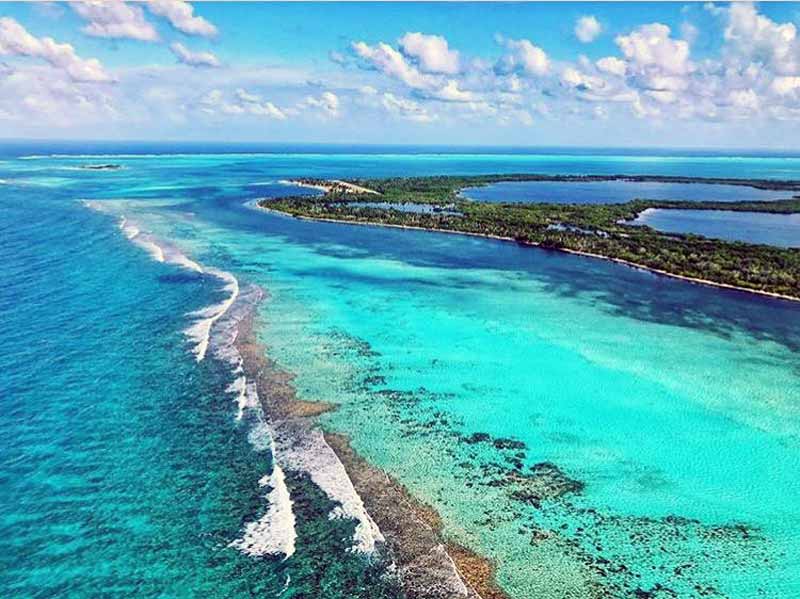
Ambergris Caye and Caye Caulker offer the shortest boat rides to the reef—most snorkel sites lie ten to thirty minutes offshore. Both islands host dozens of dive shops running morning and afternoon trips to Hol Chan, Shark Ray Alley and the outer atolls. Mainland bases like Hopkins and Placencia require longer transfers but pair reef snorkeling with rainforest access and lower accommodation costs. No entrance fee applies to the barrier reef itself, though individual marine reserves charge between 10 and 20 USD per visit.
The Belize Barrier Reef system includes over 400 cayes, but only a handful function as practical snorkel bases. Ambergris Caye concentrates the highest density of dive operators and the widest range of reef day trips, from beginner-friendly lagoon sites to advanced drift snorkels at Turneffe Atoll. San Pedro, the island's only town, sits three miles from the reef's inner edge. Most operators depart between seven and ten in the morning to reach Hol Chan Marine Reserve before the afternoon wind picks up. Caye Caulker attracts a quieter visitor profile and charges slightly lower tour rates, but offers comparable reef access and the same thirty-minute boat window to the marine reserves. Mainland lodging trades immediate reef proximity for broader itinerary flexibility. Hopkins and Placencia both lie on the southern coast, forty to sixty minutes by boat from Laughing Bird Caye and Gladden Spit. These bases work best for travelers combining reef snorkeling with inland day trips to Cockscomb Basin or the Maya ruins at Nim Li Punit. Water clarity along the southern barrier reef often exceeds that of the northern section due to lower boat traffic and stronger current flow through the outer channels. Accommodation options span budget guesthouses, mid-range beachfront hotels and offshore private-island resorts. The cayes skew toward small-scale properties with ten to twenty rooms, while the mainland offers larger hotel complexes and eco-lodges with pool facilities. Most reef-focused visitors book three to five nights on a single caye to establish a rhythm of daily snorkel departures without the friction of inter-island transfers. Multi-base itineraries work only if you plan at least two nights per stop—single-night stays lose half a day to boat shuttles and check-in logistics. Calmer water and better underwater visibility occur before midday, so staying within a short transfer window of the marine reserves maximizes usable snorkel hours across a week-long visit.
“Water clarity along the southern barrier reef often exceeds that of the northern section due to lower boat traffic and stronger current flow through the outer channels.”
Where To Stay In Belize For Snorkeling: Ambergris Caye Vs Caye Caulker
Basing choice comes down to how close you want to be to the reef itself, since Ambergris Caye and Caye Caulker sit near the northern reserves while Placencia and Hopkins open onto the southern reef system.
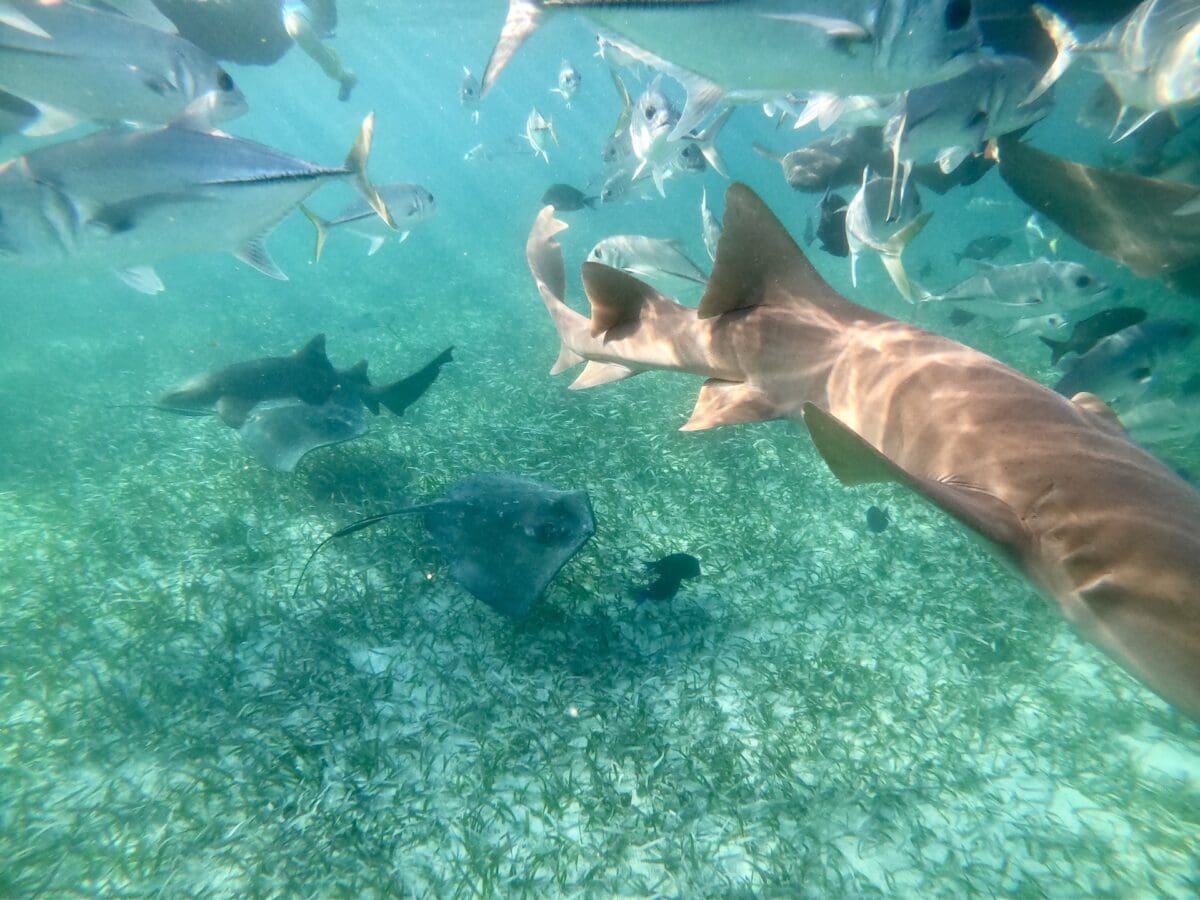
Hol Chan Marine Reserve
Ambergris Caye's main draw, this cut in the reef holds the Shark Ray Alley section and is the standard first snorkel stop for anyone basing in San Pedro.
Caye Caulker Marine Reserve
Sits just off the island's south end, making it the closest reef access point for travelers who skip San Pedro in favor of Caulker's slower pace.
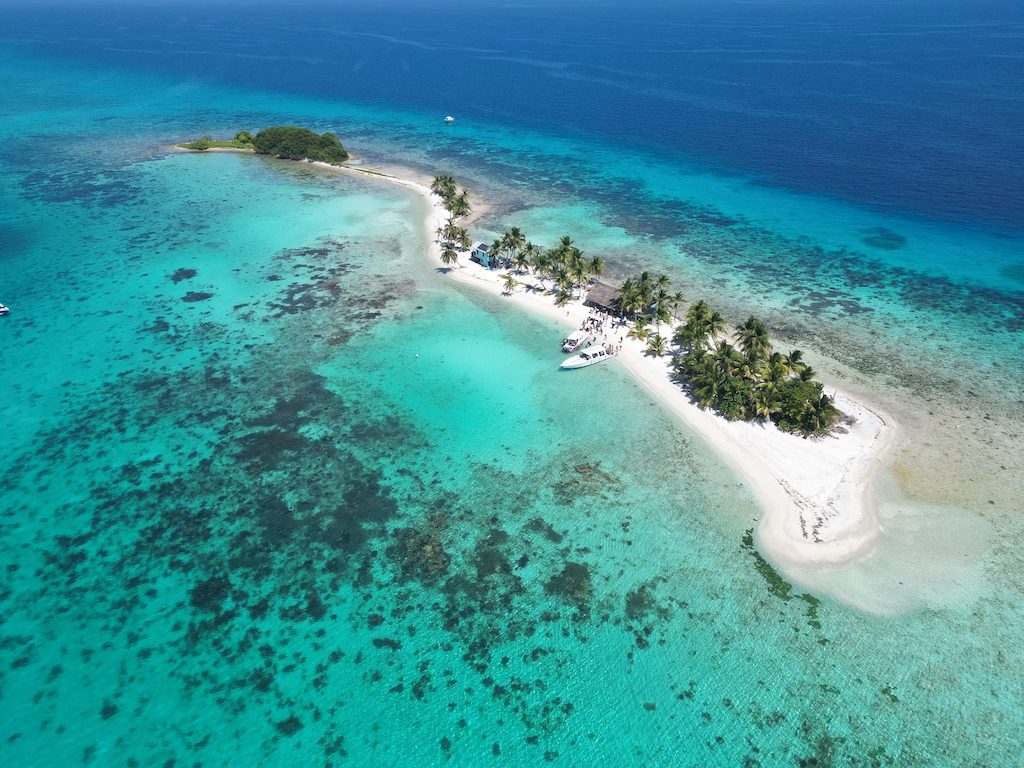
Laughing Bird Caye National Park
A narrow caye with fringing reef right at its edge, this pairs with a Placencia base for travelers heading south rather than to the northern cayes.
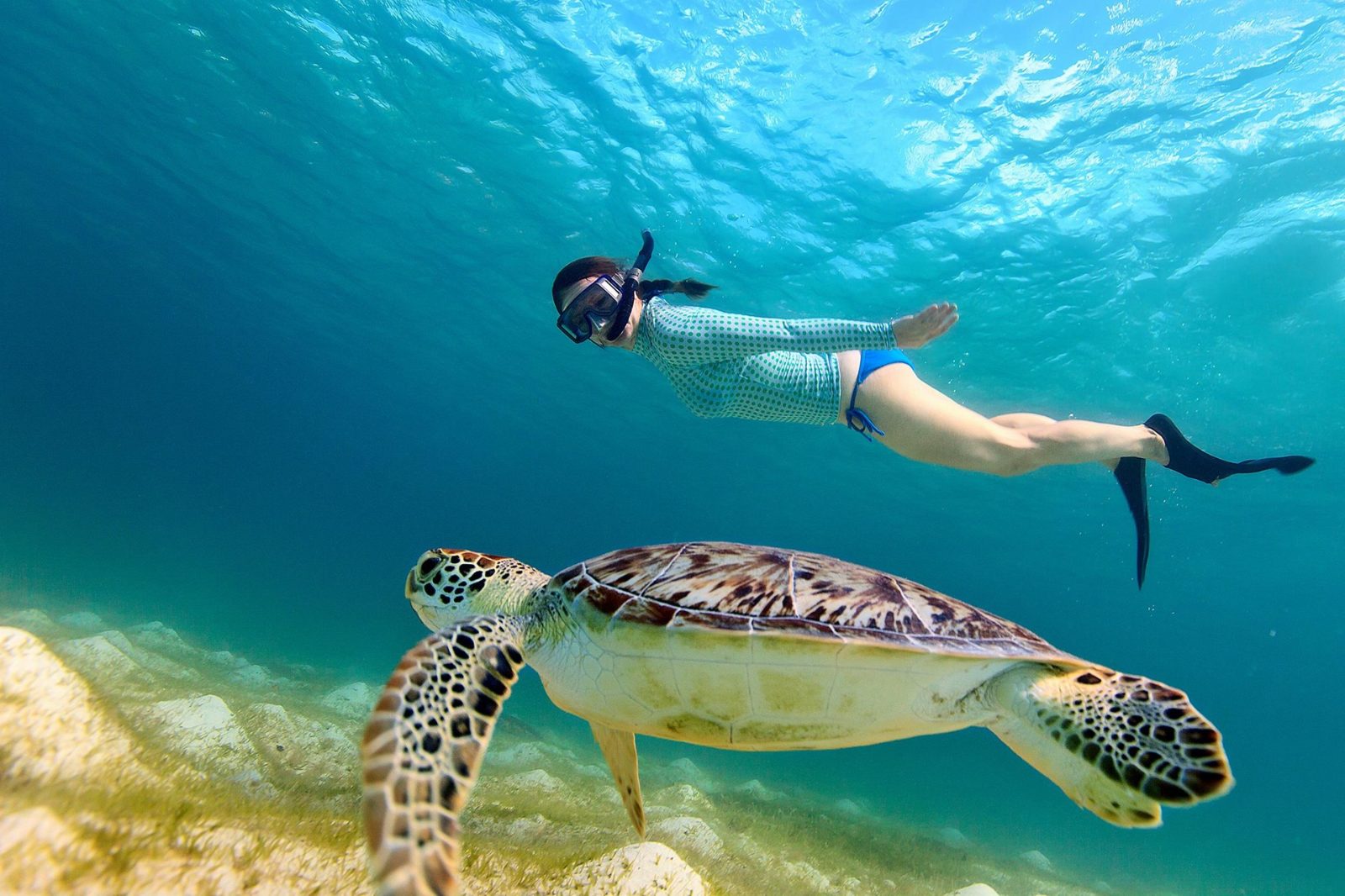
Gladden Spit and Silk Cayes Marine Reserve
Known for reef drop-offs near the Silk Cayes, this reserve extends the appeal of a southern base beyond the closer Laughing Bird site.
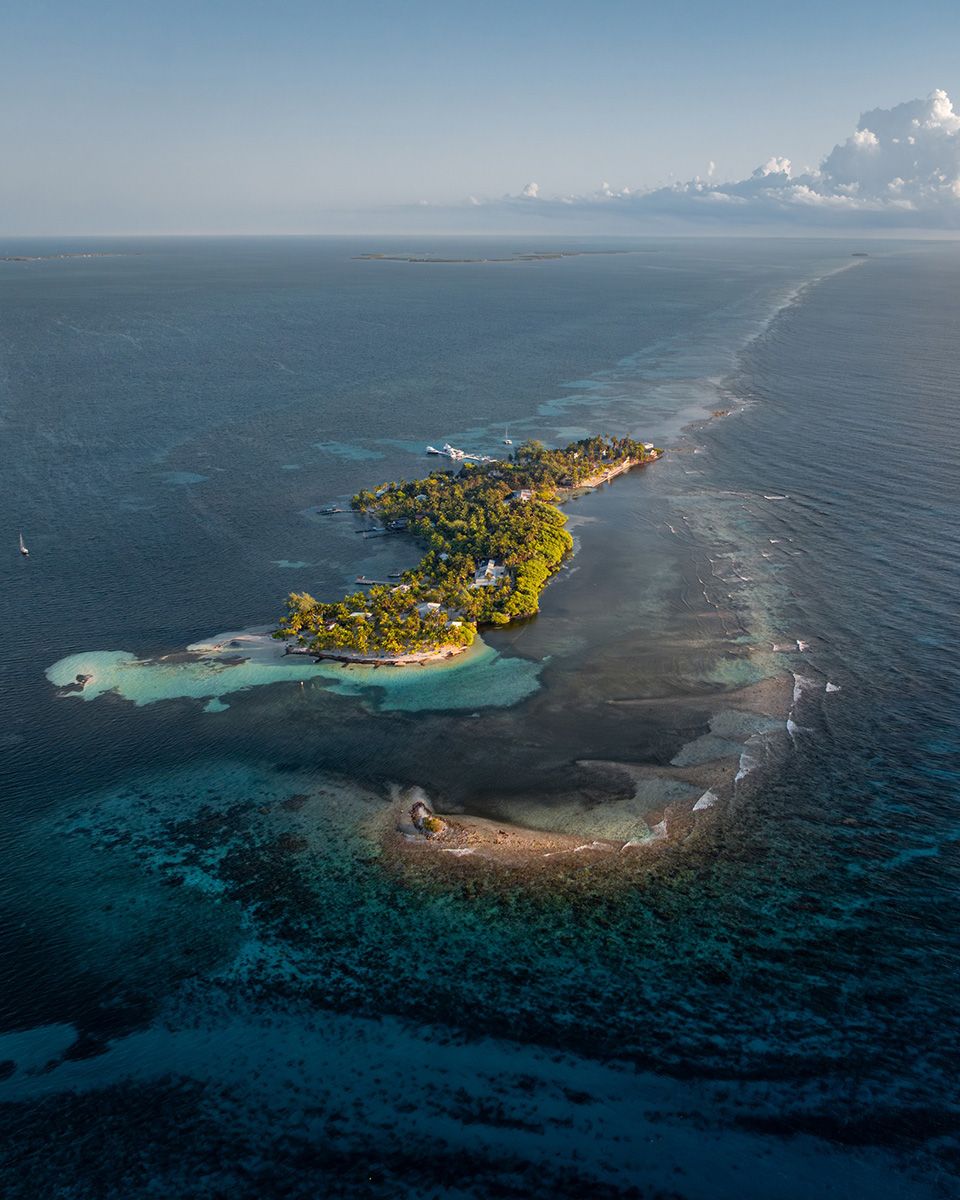
South Water Caye Marine Reserve
The reef access point for a Hopkins base, this reserve covers a wide stretch of barrier reef and cayes south of the Placencia peninsula.
Where To Stay In Belize For Snorkeling: Which Island Fits Your Trip
Most snorkelers base out of Ambergris Caye or Caye Caulker, and the choice comes down to how close you want to be to the reef versus how much you want to spend getting there each day.
| Ambergris Caye Larger island, San Pedro town |
Top pick Caye Caulker Smaller, car-free island |
|
|---|---|---|
| Distance to reef | Roughly 4-5 miles to Hol Chan Marine Reserve cuts | About 20 minutes by boat to the Caye Caulker Marine Reserve split zones |
| Boat access | Multiple docks and dive shops run frequent trips to Hol Chan and Shark Ray Alley | Boats leave from the main pier directly into the nearby reserve, shorter ride times |
| Island vibe | More developed, golf carts, restaurants and resorts along the shore | Sandy paths, no cars, a slower pace with a backpacker and budget-traveler base |
| Getting there | Reached by water taxi or short flight from Belize City | Reached by water taxi from Belize City, generally a shorter crossing than to Ambergris Caye |
| Best for | Travelers who want more lodging and dining variety near the reef | Travelers prioritizing quick boat access to snorkel sites and a compact, walkable base |
Verdict: Pick Ambergris Caye for more amenities and lodging choice, pick Caye Caulker for shorter boat rides to the reserve and a smaller, quieter base.
Getting To Your Belize Snorkeling Base: Flights And Water Taxis
Ambergris Caye and Caye Caulker, the two main jumping-off points for the Belize Barrier Reef, are not connected to the mainland by road, so every visitor arrives by air or water from Belize City. The international airport sits about 10 minutes from the domestic terminal and about 20 minutes from the Belize City water taxi terminal, making the connection straightforward regardless of which route you choose.
Philip S.W. Goldson International Airport to Belize City water taxi terminal
San Pedro Belize Express or Ocean Ferry Belize, Belize City terminal to Caye Caulker
San Pedro Belize Express or Ocean Ferry Belize, Belize City terminal to San Pedro (Ambergris Caye)
Domestic terminal (Tropic Air / Maya Island Air) to international terminal, Belize City airport
Domestic flight, Belize City to San Pedro or Caye Caulker airstrip
Best Time To Snorkel The Belize Barrier Reef From Your Hotel
The most reliable window for clear water is 07:00 to 10:00, before the afternoon trade winds pick up and stir up the surface. Layer that daily pattern over the dry season, roughly late February through May, for the calmest, clearest conditions overall.
Late Feb-May (dry season)
Higher hotel occupancy, reef tours book outLow rainfall, air 24-30C, water calm
This stretch pairs the clearest water with the least wind, so morning visibility is consistently good even outside the 07:00-10:00 window.
Jun-Nov (wet season)
Lighter crowds, more room availabilityFrequent afternoon showers, air 25-32C, humid
Mornings still tend to be drier and calmer than afternoons, so the same 07:00-10:00 arrival window matters even more here.
Jun-Nov (hurricane season)
Sparse crowds, some operators reduce tripsStorm risk peaks Aug-Oct, occasional cancellations
This is a real scheduling factor, not just a weather note, since tropical systems can cancel reef trips outright with little notice.
Daily 07:00-10:00
Fewer boats on the water, quieter reefWinds typically calmer, better light for visibility
Arriving in this window consistently gives flatter water and clearer sightlines before afternoon breezes churn the surface.
Daily after 12:00
Peak boat traffic, more snorkelers in waterWind picks up, surface chop increases
Afternoons are workable but visibility and calm water are noticeably reduced compared to the morning slot.
Verdict: Aim for 07:00 to 10:00 during the dry season, roughly March through May, for the calmest water and clearest visibility.
Budgeting Your Stay For Belize Barrier Reef Snorkeling
Costs for a reef-based snorkeling trip come from four line items: lodging, boat or tour arrangements, meals, and gear rental, since there is no single gate fee for the reef itself. Prices vary widely by island and season, so treat these as planning categories rather than fixed rates.
How to spend less
- Book lodging with kitchen access to cut restaurant spend
- Bring your own mask and fins to skip rental fees
- Ask about combined multi-stop boat trips to reduce per-trip cost
- Travel outside peak season for lower lodging rates
A realistic per-person daily budget lands well under 100 USD for basic lodging and self-catering, while a more comfortable stay with guided boat trips and restaurant meals can run several times that.
Facts About The Belize Barrier Reef Worth Knowing Before You Book
The Belize Barrier Reef carries a documented scientific and conservation history that predates any resort or dive shop. A few verified facts explain why this stretch of coastline earned global protection status.
UNESCO listed the reef in 1996
The Belize Barrier Reef Reserve System was inscribed as a UNESCO World Heritage Site in 1996, recognizing its ecological significance.
Placed on the danger list in 2009
UNESCO added the reef to its List of World Heritage in Danger in 2009 due to mangrove clearing and coastal development pressures, then removed it from that list in 2018 after Belize tightened protections.
It stretches roughly 190 miles
The reef runs about 190 miles (300 km) along Belize's coastline, making it the longest barrier reef in the Northern Hemisphere and the second-largest continuous barrier reef on Earth after Australia's Great Barrier Reef.
Seven protected areas make up the system
The UNESCO designation covers seven separate sites, including Bacalar Chico, Half Moon Caye Natural Monument, South Water Caye Marine Reserve, and Glover's Reef Marine Reserve.
Darwin called it remarkable in the 1800s
Charles Darwin studied and wrote about the reef, describing it as one of the most remarkable reefs in the West Indies in his coral reef research.
The Great Blue Hole formed as a karst sinkhole
This roughly 300-meter-wide, 125-meter-deep sinkhole sits within the reserve system and became widely known after Jacques Cousteau explored it in 1971.
Over 500 fish species live in the system
Surveys document more than 500 fish species alongside roughly 65 to 70 hard coral species across the reef's habitats.
The reserve spans multiple island groups
Protection extends across cayes and atolls beyond Ambergris Caye and Caye Caulker, linking reef health directly to the islands travelers use as bases.
Insider Tips For Choosing Where To Stay In Belize For Snorkeling
Where you sleep matters as much as where you dive, since dock access and building orientation change how much of your trip is spent on the water.
Ask dock-to-reef distance
Properties advertise proximity to town, not to the reef cut, so ask the actual boat time to the nearest snorkel site since it can range from 5 to 40 minutes.
Book a private dock
Lodging with its own dock lets boats leave on your schedule instead of waiting for a shared water-taxi pickup slot, saving real time on short winter days.
Avoid east-facing rooms in wet season
Rooms facing east catch the prevailing trade winds directly, which means louder surf noise and choppier water right off your shoreline from roughly June through November.
Check for a fish-cleaning table
Lodges with an on-site fish-cleaning station or dive locker usually cater seriously to water-based guests, a decent proxy for how boat-ready the property actually is.
Confirm boat departs from your dock
Some hotels list snorkel trips as an amenity but actually shuttle guests to a different marina, adding 20 to 30 minutes each way that is not mentioned at booking.
Ask about generator noise at night
Waterfront rooms near a property's generator or ice-making dock can be noisy after dark, so ask specifically about room placement relative to utility docks.
Stay near a reef cut, not just water
A room on the water is not the same as a room near a reef cut, the channel breaks in the barrier reef where boats actually enter to snorkel.
Pre-Trip Checklist For Your Belize Snorkeling Base
Prepare these items before you arrive at your Belize snorkeling base.
-
Book water taxi transfers in advance — Ambergris Caye and Caye Caulker water taxis fill quickly in peak season.
-
Confirm marine reserve fees with tour operators — Some protected zones charge separate entrance fees beyond tour costs.
-
Pack reef-safe sunscreen only — Chemical sunscreens are banned in Belize marine reserves to protect coral.
-
Check snorkel gear fit at home — Poorly fitting masks leak and reduce visibility during longer reef sessions.
-
Print operator confirmation emails — Spotty island Wi-Fi can make it difficult to retrieve digital bookings.
-
Verify morning departure slots are available — Tours leaving between 07:00–10:00 offer calmer water and clearer visibility.
-
Add a waterproof phone pouch — Essential for keeping IDs and hotel keys dry during boat transfers.
Check availability
FAQs: Where to Stay in Belize for Snorkeling
Everything you need to know about where to stay in belize for snorkeling