
Quick answer
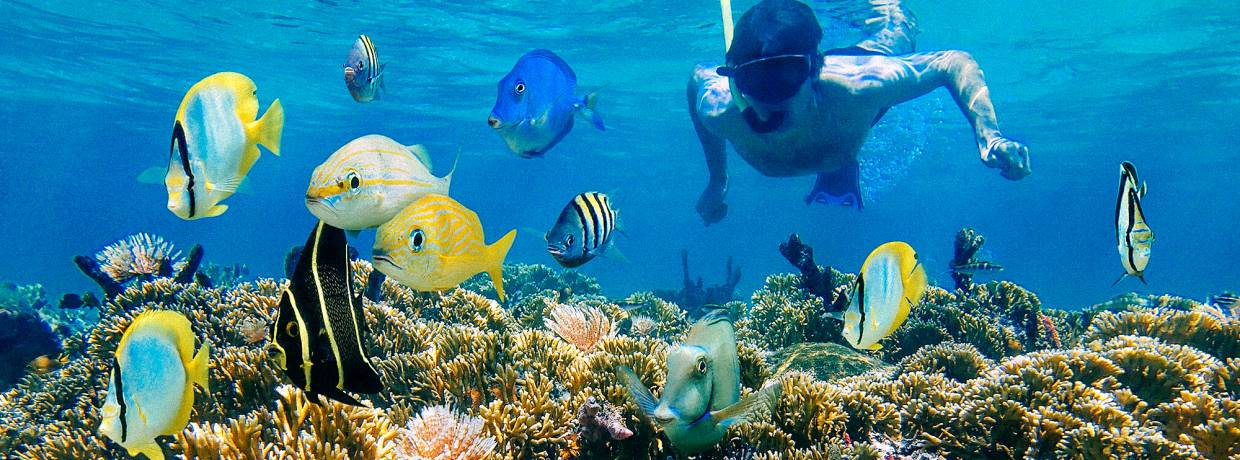
Does Belize have good snorkeling? Yes. The Belize Barrier Reef is the second-largest barrier reef system in the world, offering consistent visibility between 60 and 100 feet, healthy coral formations, and year-round access to protected marine reserves. Water temperature stays between 78°F and 84°F, and the conservation fee system funds active reef protection that keeps sites like Hol Chan Marine Reserve in excellent condition.
The Belize Barrier Reef was inscribed as a UNESCO World Heritage Site in 1996, recognizing a living structure that began forming roughly 500 million years ago when tectonic shifts created the conditions for coral polyp colonization. Charles Darwin surveyed the reef in 1842 and called it "the most remarkable reef in the West Indies," noting its continuous shallow-water platform that allows direct access from shore-based departure points. Belize snorkeling quality rests on three factors: reef health, water clarity, and species density. The Barrier Reef Reserve System encompasses seven marine reserves where fishing and anchoring are prohibited, creating refuge zones that maintain coral cover above 40 percent in surveyed transects. Elkhorn coral, brain coral, and sea fans populate the shallows, while deeper drop-offs harbor black coral and sponge gardens. Nurse sharks and southern stingrays congregate in sandy channels, and hawksbill turtles forage along coral walls during nesting season. Visibility averages 80 feet from December through May, when trade winds settle and sedimentation drops. The barrier structure itself runs parallel to the coast at distances ranging from 300 yards to 25 miles offshore, with the inner lagoon offering calm, shallow sites suitable for beginners. The outer reef slope descends to depths beyond recreational limits and produces surge conditions that demand intermediate swimming ability. Most guided excursions depart between 8:00 AM and 11:00 AM, when boat traffic is lightest and surface chop has not yet developed. The marine reserve system operates on a user-fee model, with the 40 BZD conservation charge supporting ranger patrols, mooring buoy maintenance, and species monitoring programs that have stabilized fish populations since enforcement began in the 1980s. Snorkelers who ask does Belize have good snorkeling are evaluating not only current conditions but the structural protections that will sustain those conditions across future visits. The answer is yes, with the caveat that access depends on weather windows and adherence to no-touch policies that prevent coral damage.
“Charles Darwin surveyed the reef in 1842 and called it the most remarkable reef in the West Indies.”
Does Belize Have Good Snorkeling? The Reef Facts That Answer It
The question of whether Belize offers good snorkeling has a documented answer in the reef itself: independent scientific and historical sources back up the reputation.
1842: Darwin's assessment
Charles Darwin called it "the most remarkable reef in the West Indies" after surveys by his colleague Captain Symonds, an assessment still cited by marine researchers today.
982 kilometers long
The Belize Barrier Reef is part of the Mesoamerican Reef System, the second-largest barrier reef in the world after Australia's Great Barrier Reef.
1996: UNESCO World Heritage status
Seven sites within the reef system, including Hol Chan Marine Reserve's surrounding waters, were inscribed as the Belize Barrier Reef Reserve System for their outstanding biodiversity.
500+ fish species recorded
Surveys documented by the Belize Audubon Society and WWF count more than 500 fish species living within the reef system's reserves and channels.
70+ hard coral species
The reef supports over 70 recorded species of hard coral, forming the reef structures snorkelers swim over in shallow reserve channels.
Hol Chan established 1987
Hol Chan Marine Reserve was Belize's first marine protected area, created specifically to manage snorkeler and diver impact on a heavily visited reef cut.
2018: removed from UNESCO danger list
The site had been listed as endangered since 2009 over mangrove and oil-drilling threats; Belize's protective legislation led to its removal, reaffirming the reef's protected status.
Where the Good Snorkeling Is: Hol Chan, Shark Ray Alley and Beyond
The Belize Barrier Reef's snorkeling reputation rests on a handful of named zones close to Ambergris Caye and Caulker Caye, each with a distinct underwater character. Hol Chan Marine Reserve and Shark Ray Alley anchor the case, with several caye-side cuts and walls extending it.
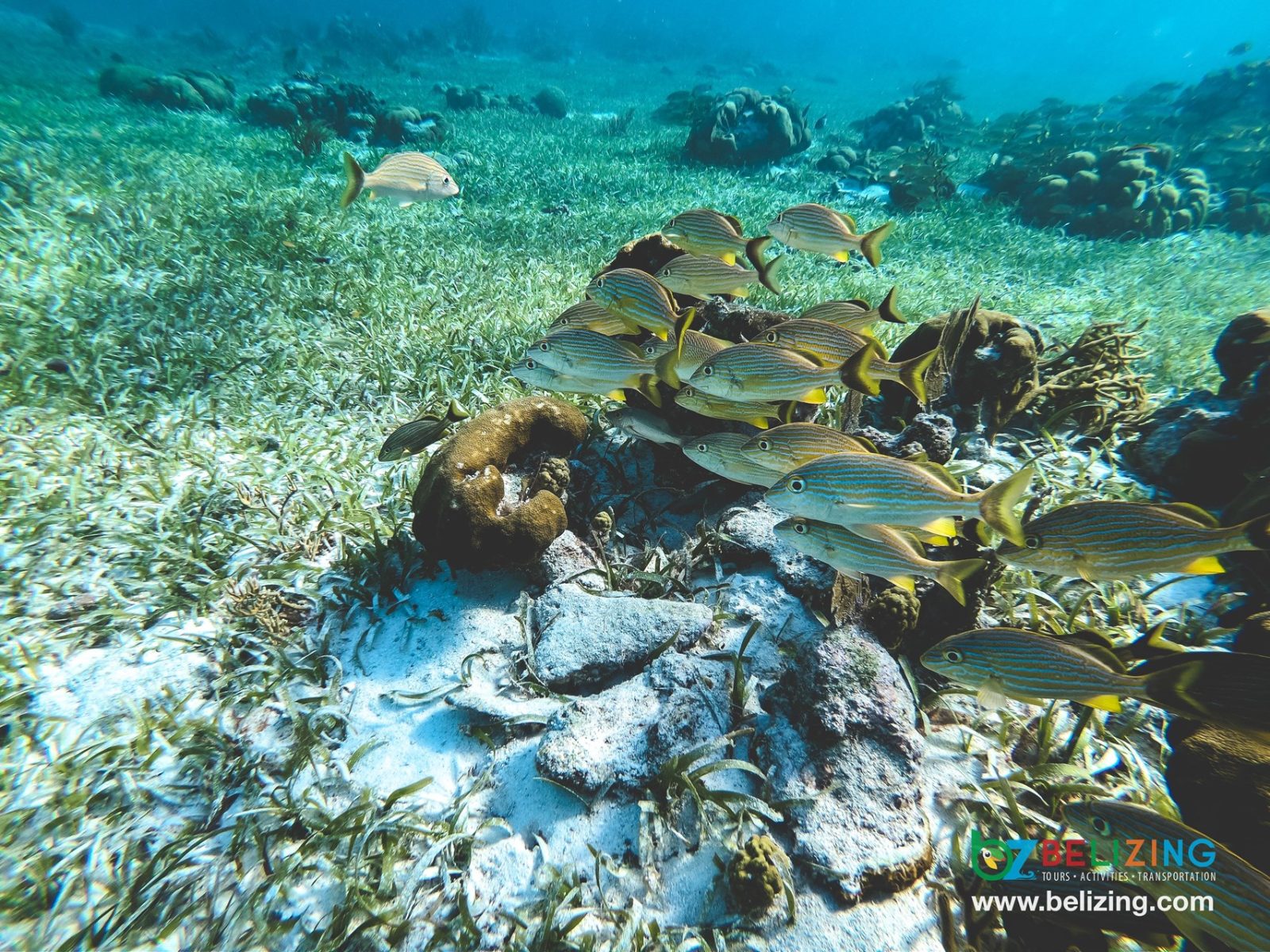
Hol Chan Marine Reserve
A cut through the reef with channels up to about 30 feet deep, holding dense schools of snapper, grouper, and moray eels around coral overhangs.
Snorkel the main channel wall, not the shallow entrance.
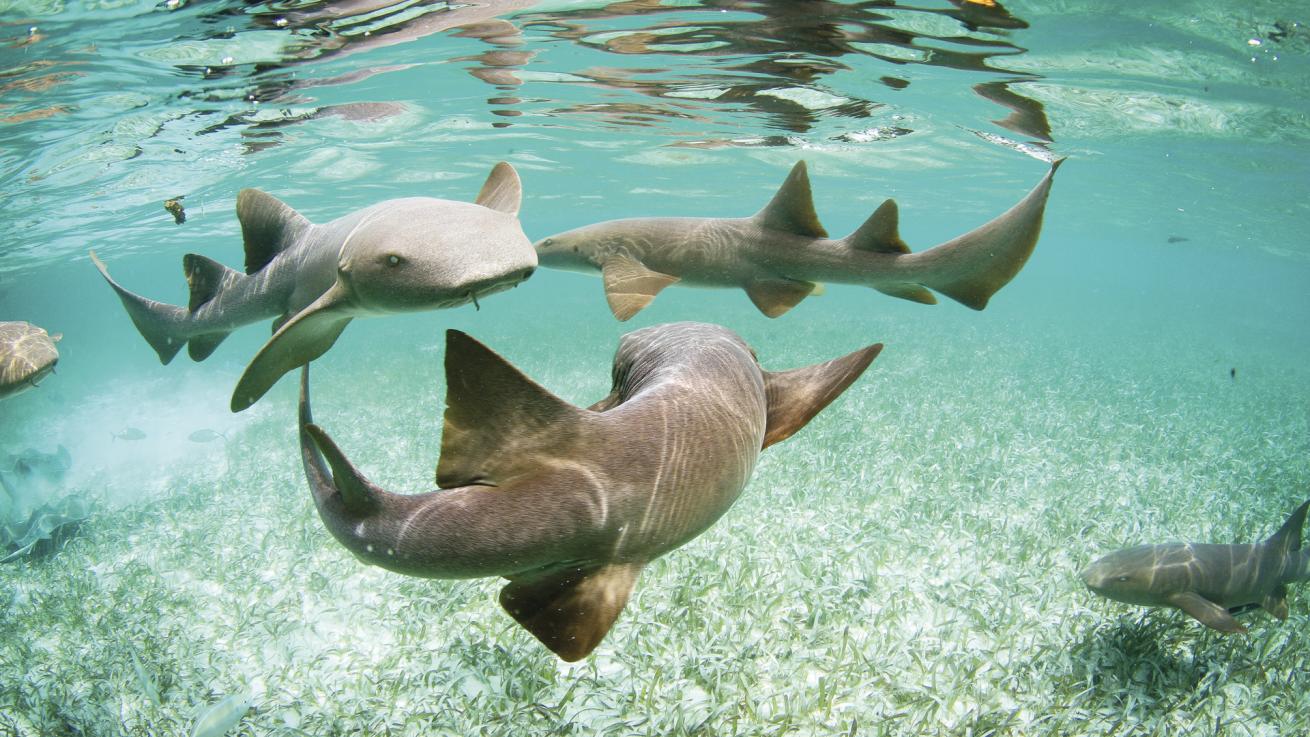
Shark Ray Alley
A shallow sandy-bottom site adjacent to Hol Chan where nurse sharks and southern stingrays gather in open water.
Stay horizontal near the surface, let rays pass below.
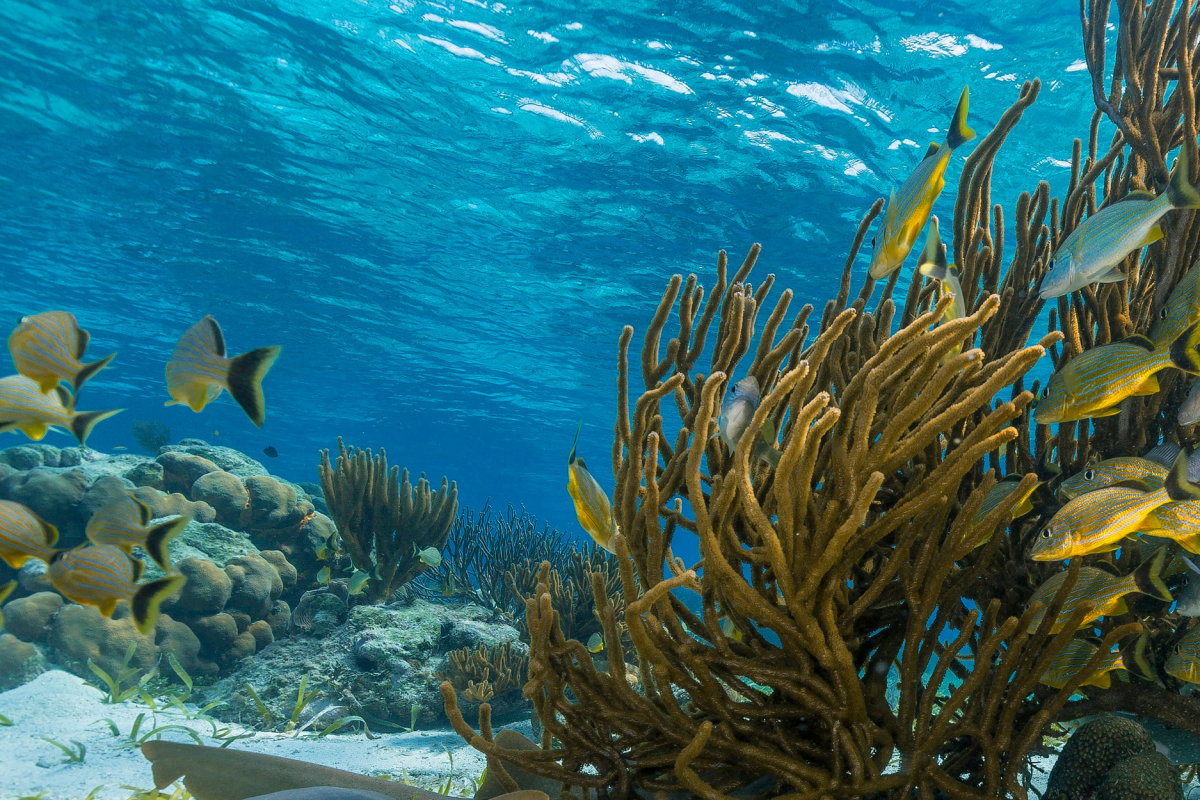
Coral Gardens (Ambergris Caye)
A shallow reef flat off Ambergris Caye known for dense staghorn and elkhorn coral stands in clear, calm water.
Look between coral heads for juvenile parrotfish.
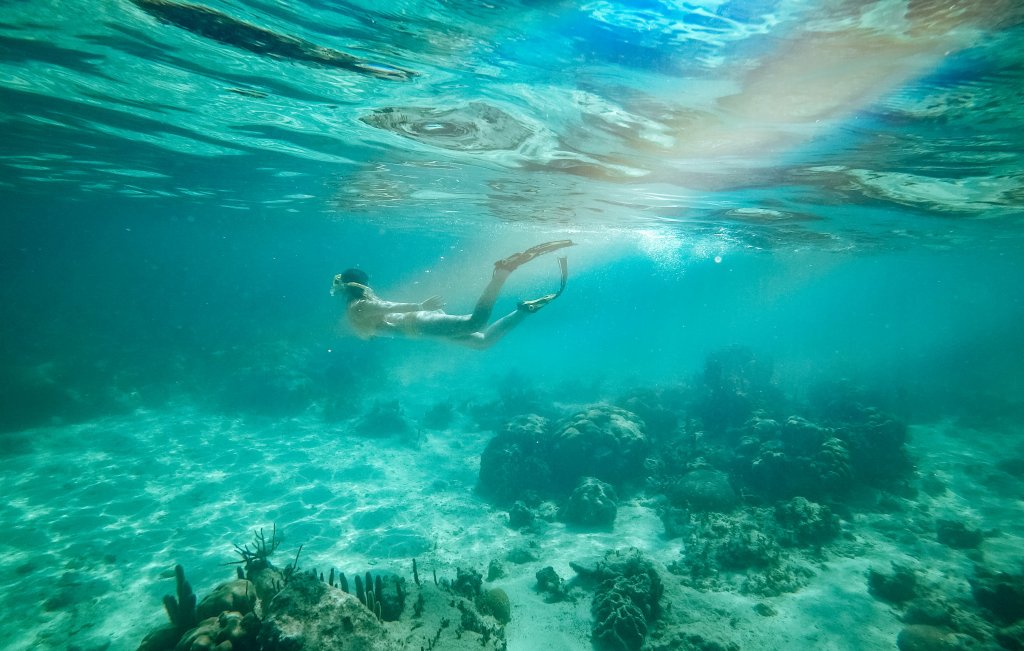
The Cut (Caye Caulker Split)
A narrow channel at the north end of Caye Caulker, popular for shore-accessible snorkeling near the split.
Enter at the split's north edge on a calm morning.
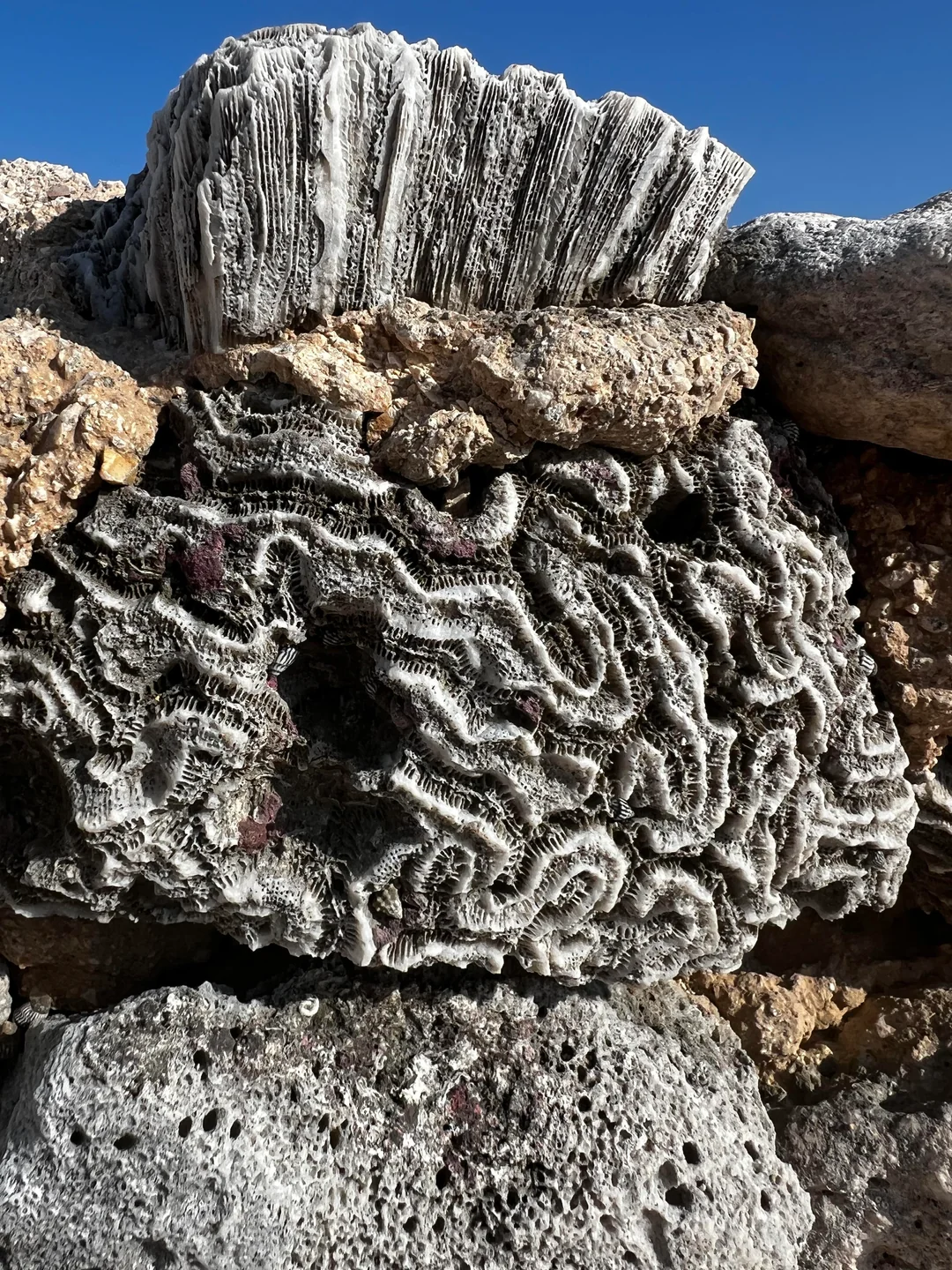
Mexico Rocks
A cluster of shallow coral patches north of Ambergris Caye, sheltered enough for beginners and known for sea fans and sponges.
Watch the sandy channels between patches for rays.
Best Time to Snorkel the Belize Barrier Reef for Good Visibility
Late April and May offer the clearest water of the year, and arriving between 08:30 and 11:00 on any day adds calm seas and better overhead light before afternoon boat traffic stirs up the shallows.
Dry season (late Nov–May)
Higher, especially Feb–MarLow rainfall, 24-29°C air, calmer seas
Visibility tends to be most consistent, with less freshwater runoff clouding the reef flats.
Rainy season (Jun–Nov)
Lower, fewer boatsFrequent showers, 26-30°C air, humid
Runoff and wind-driven swell can cut visibility, especially after storms, though mornings often stay clear before afternoon rain builds.
Hurricane season peak (Aug–Oct)
Lowest of the yearStorm risk, 27-30°C, unpredictable swell
Trips get cancelled on short notice when systems pass near the reef, so this window carries the most schedule risk.
Morning window (08:30–11:00), any season
Fewer boats at the reef—
Water is calmer and sunlight sits higher, which improves how far you can see underwater regardless of month.
Afternoons, all seasons
More boat traffic and wind—
Wind typically picks up after midday, stirring sediment and reducing clarity compared to the morning window.
Verdict: For the clearest water with the least schedule risk, aim for April or May and get on the water between 08:30 and 11:00.
Does Belize Have Good Snorkeling Hours? Hol Chan Marine Reserve Schedule
Hol Chan Marine Reserve, which governs snorkeling access on this section of the Belize Barrier Reef, keeps the same schedule every day of the week.
| Monday | 08:00 – 17:00 | |
|---|---|---|
| Tuesday | 08:00 – 17:00 | |
| Wednesday | 08:00 – 17:00 | |
| Thursday | 08:00 – 17:00 | |
| Friday | 08:00 – 17:00 | |
| Saturday | 08:00 – 17:00 | |
| Sunday | 08:00 – 17:00 |
How to Get to the Belize Barrier Reef for Snorkeling
The Belize Barrier Reef lies offshore along the entire length of the country's coastline and has no road access, so every route to it starts by boat from a coastal or island hub. Most visitors stage from Ambergris Caye, Caye Caulker, or Belize City before making the water crossing to the reef and reserve sites such as Hol Chan.
Belize City (Philip S. W. Goldson International Airport) to Belize City water taxi terminal
Belize City water taxi to San Pedro, Ambergris Caye
Belize City water taxi to Caye Caulker
San Pedro or Caye Caulker charter/tour boat to Hol Chan Marine Reserve and the barrier reef
San Pedro or Caye Caulker golf cart taxi from dock to hotel
Snorkeling Etiquette Rules for the Belize Barrier Reef
The Belize Barrier Reef Reserve System enforces strict marine park rules to protect coral and wildlife. Violations risk fines and permanent damage to the reef.
Do
- Use reef-safe sunscreen without oxybenzone or octinoxate
- Keep three feet distance from all coral and marine life
- Report injured wildlife or illegal activity to your guide
- Follow your guide's briefing on protected zones and anchoring rules
Don't
- Touch, stand on, or kick coral with fins
- Chase, grab, or feed nurse sharks and rays
- Fish or collect shells within marine reserve boundaries
- Wear sunscreen containing oxybenzone, octinoxate, or parabens
Pre-Visit Checklist Before You Snorkel the Belize Barrier Reef
Snorkeling the Belize Barrier Reef requires some advance preparation to ensure smooth entry and protect the marine environment.
-
Book your snorkel tour in advance — High season (December–April) fills up quickly, especially for popular sites like Hol Chan Marine Reserve.
-
Bring 40 BZD cash per person — The Hol Chan conservation fee is collected on-site and card payments are rarely accepted.
-
Pack reef-safe sunscreen only — Chemical sunscreens damage coral; zinc-oxide or titanium-dioxide formulas are required and enforced.
-
Confirm gear rental with your operator — Most tours provide masks, snorkels, and fins, but sizes and quality vary—ask ahead or bring your own.
-
Arrive at the dock by 08:30 — Morning departures catch calmer water and better visibility before afternoon boat traffic increases.
-
Carry waterproof protection for valuables — Boats have limited secure storage; a dry bag keeps phones, wallets, and IDs safe during the trip.
Check availability
FAQ: Does Belize Have Good Snorkeling?
Everything you need to know about does belize have good snorkeling