6 hr
Belize Barrier Reef 7-Stop Snorkel Adventure
- Expert local guide
- Small group
- Skip-the-line access
- Free cancellation
Snorkeling in Belize Barrier Reef — Marine Reserve Tours
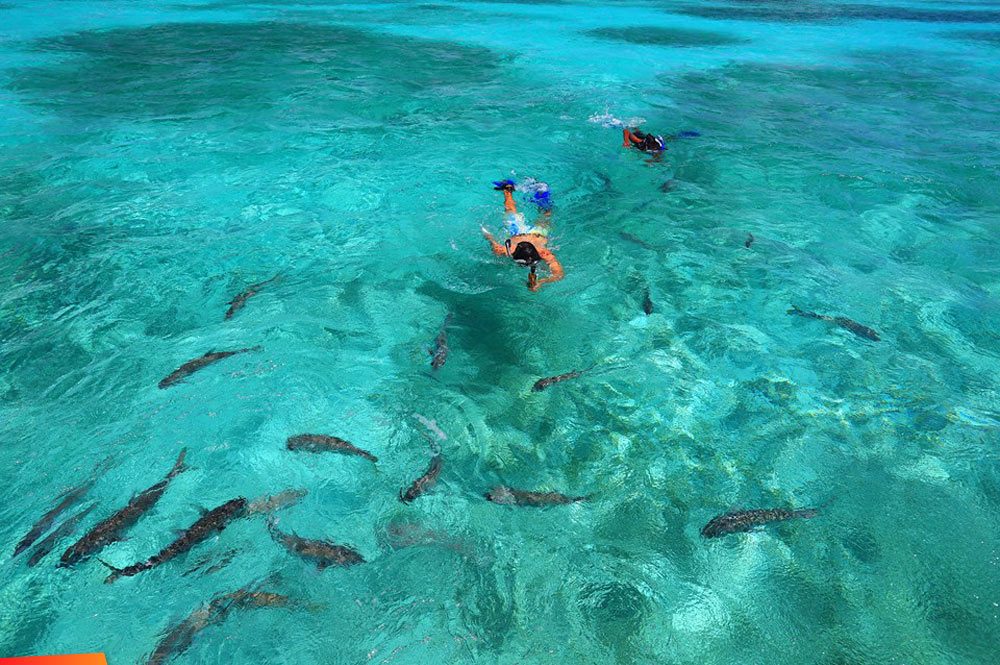
Nurse sharks glide beneath you, stingrays circle at arm's reach
Compare fares, pick the fit — all bookings are mobile-voucher and eligible for free cancellation where shown.
6 hr
3 hr
3 hr 30 min
Snorkeling in Belize Barrier Reef comes down to three official reserve access options, each covering different zones and time on the water: the 3-hour Hol Chan & Shark Ray Alley trip, the Caye Caulker Marine Reserve tour, and the full-day Silk Cayes/Laughing Bird/7-Stop excursion.
| Hol Chan & Shark Ray Alley 3-hour reef & ray zone |
Top pick Caye Caulker Marine Reserve Half-day near-shore reserve |
Silk Cayes 7-Stop Day Trip Full-day multi-reef excursion | |
|---|---|---|---|
| Zones/stops covered | Hol Chan cut + Shark Ray Alley, 2 stops | Coral gardens, channel, and shallow reserve zones, 3 stops | Silk Cayes, Laughing Bird Caye, up to 7 stops |
| Duration | 3 hours | 4-5 hours | Full day, roughly 9-10 hours |
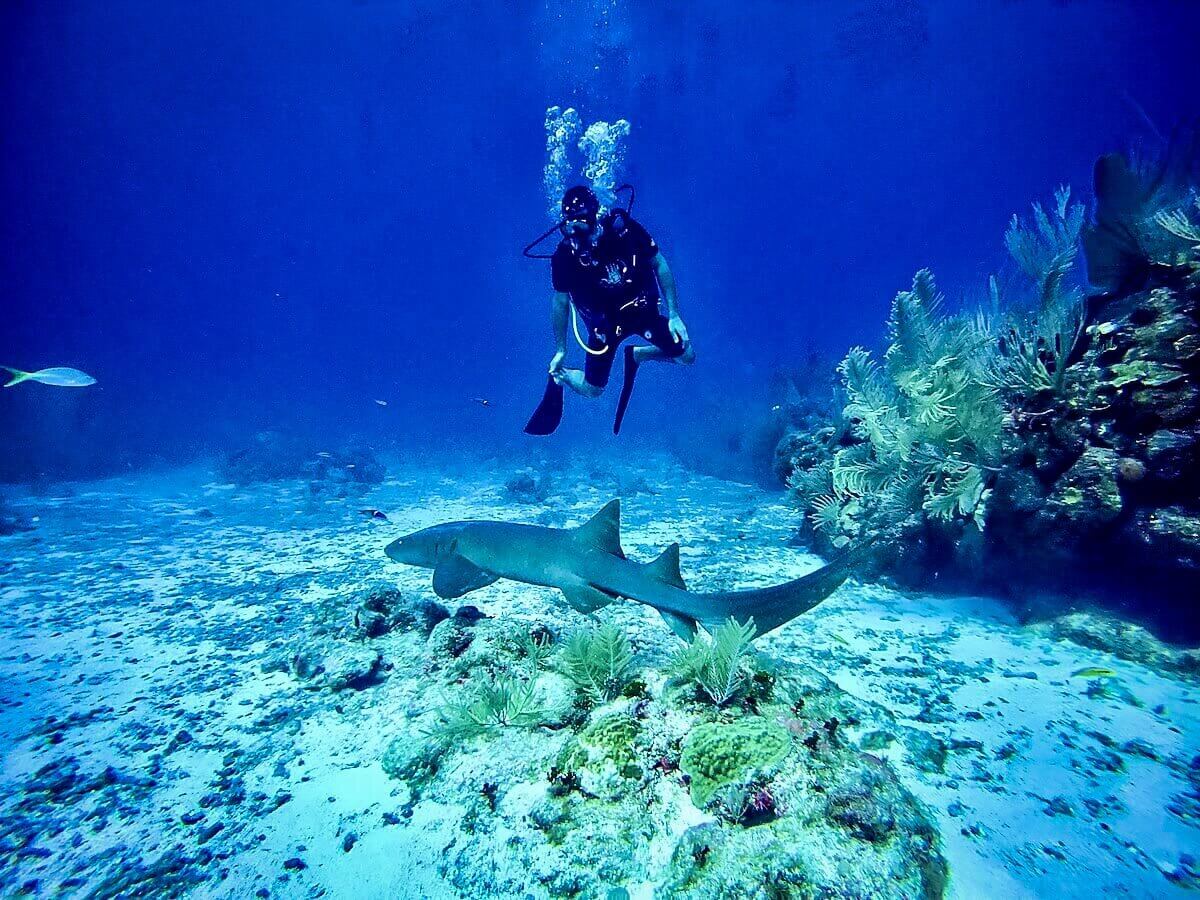
| Marine life encounters | Nurse sharks, southern rays, reef fish | Sea turtles, rays, reef fish, coral formations | Turtles, dolphins possible, deep reef fish, rays |
| Best for | Time-limited visitors wanting rays and sharks | First-timers wanting varied reef zones without a full day | Visitors with a full day wanting the widest reef range |
| See tickets & prices |
Worth it for marine-life encounters and coral diversity
Snorkeling in Belize barrier reef delivers exceptional value when you factor in what you actually see underwater. The $10 Hol Chan Marine Reserve conservation fee grants access to one of the Caribbean's densest marine corridors, where nurse sharks, southern stingrays, and vibrant coral gardens appear within minutes of entering the water. Tour packages—ranging from focused Hol Chan and Shark Ray Alley excursions to multi-stop adventures covering seven different reef zones—typically run $60–$120 per person and include gear, guide expertise, and boat transport. First-time snorkelers gain confidence quickly in the shallow, protected channels, while experienced swimmers appreciate the biodiversity that rivals costlier Indo-Pacific destinations. The reef's proximity to San Pedro and Caye Caulker keeps boat rides under 30 minutes, maximizing water time. For travelers weighing Caribbean snorkeling options, the combination of accessible marine encounters, well-managed conservation zones, and reasonable tour costs makes snorkeling in belize barrier reef a stronger value proposition than many over-touristed alternatives. The Mesoamerican Barrier Reef system—the Western Hemisphere's largest—concentrates remarkable species density in relatively compact zones, translating your investment into consistent wildlife sightings rather than hopeful searching.
Bottom line: The marine life density and reef accessibility justify the cost for anyone prioritizing underwater encounters over beach lounging.
Most visitors who compare both call Hol Chan the richer snorkeling in Belize Barrier Reef experience, since Caye Caulker's shallower Coral Gardens site favors first-timers and easy access over variety.
|
Top pick Hol Chan Marine Reserve |
Caye Caulker Marine Reserve | |
|---|---|---|
| Marine life you'll see | Nurse sharks, southern rays, groupers | Smaller reef fish, occasional turtles |
| Water clarity & depth | 30-100 ft (9-30 m), strong clarity | 15-40 ft (4.5-12 m), murkier at times |
| Typical departure point | Boat from San Pedro, Ambergris Caye | Boat from Caye Caulker village dock |
| Crowd levels | Moderate, more tour boats midday | Lighter, fewer operators run trips |
| Duration needed | 3-4 hours round trip with stops | 2-3 hours round trip with stops |
| See tickets & prices |
Verdict: Hol Chan delivers denser marine encounters and clearer water, while Caye Caulker suits travelers based on the caye who want a shorter, mellower trip.
Hand-picked experiences loved by thousands of travelers
3 hours
Free Cancellation
Three-hour reef exploration with nurse sharks, stingrays, and tropical coral formations
6 hours
Free Cancellation
Explore a UNESCO-protected atoll with expert guides, spotting lobsters and barracuda in pristine waters
4 hours 30 minutes
Free Cancellation
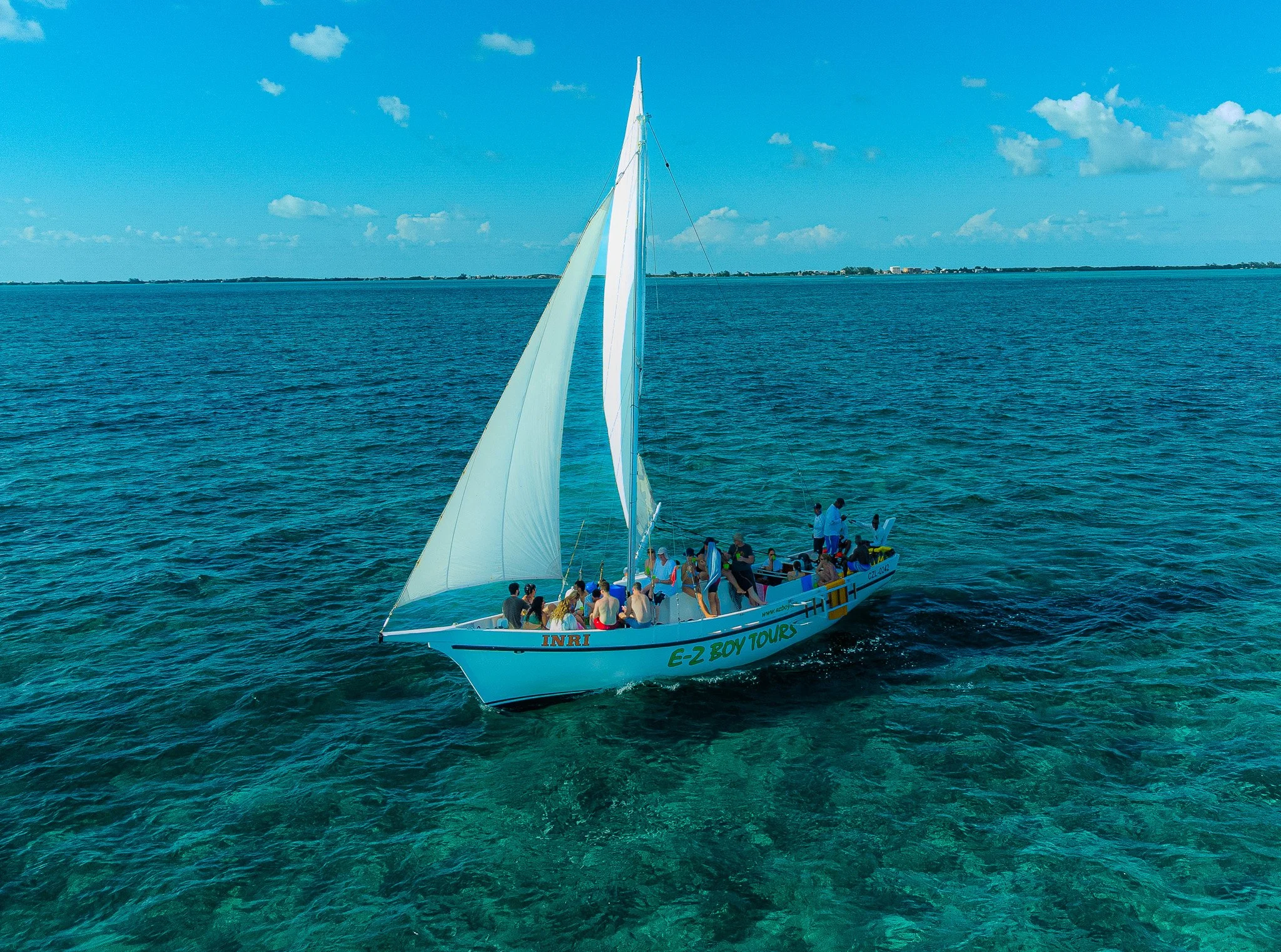
Swim with nurse sharks and rays, explore coral gardens, then sail into sunset with ceviche and cocktails
3 hours
Free Cancellation
Half-day aquatic expedition through pristine coral ecosystems with sharks, rays, and tarpon encounters
Full day experience
Free Cancellation
Discover vibrant coral reefs and swim alongside sea turtles, rays, and reef sharks in Belize's pristine waters
6 hours 30 minutes
Free Cancellation
Encounter nurse sharks, explore coral reefs, and unwind at one of Belize's most stunning beaches
7 hours
Free Cancellation
Discover Belize's underwater world: snorkel coral reefs, swim with rays and sharks, spot manatees
12 hours
Free Cancellation
Luxury SUV transfer, boat ride to Belize's Sapolitos Cays, snorkeling, island lunch, and beach relaxation
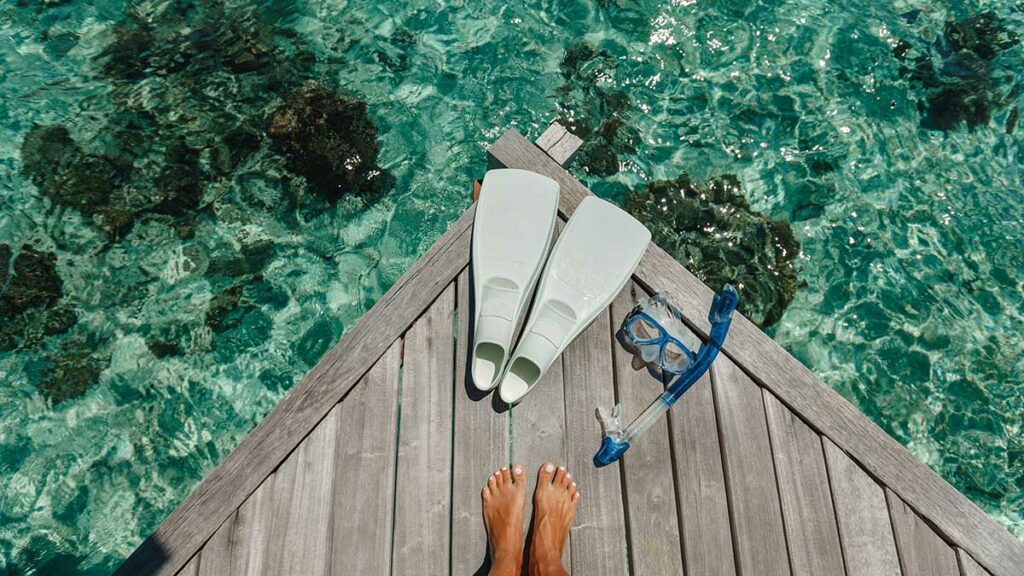
Meet your boat crew in San Pedro or Caye Caulker and get fitted with mask, fins, and life vest.
Cruise out over open water toward Hol Chan Marine Reserve and Shark Ray Alley.
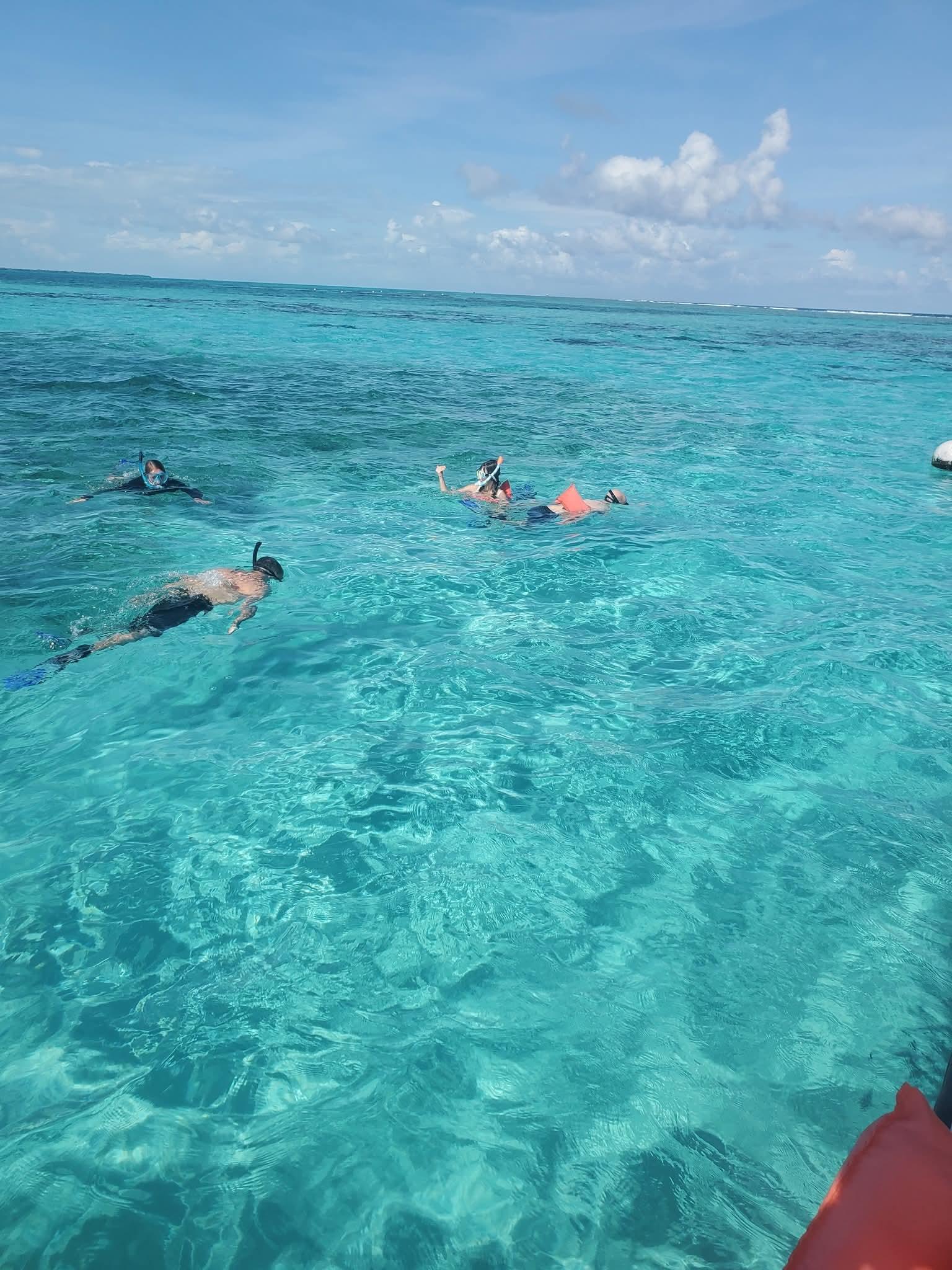
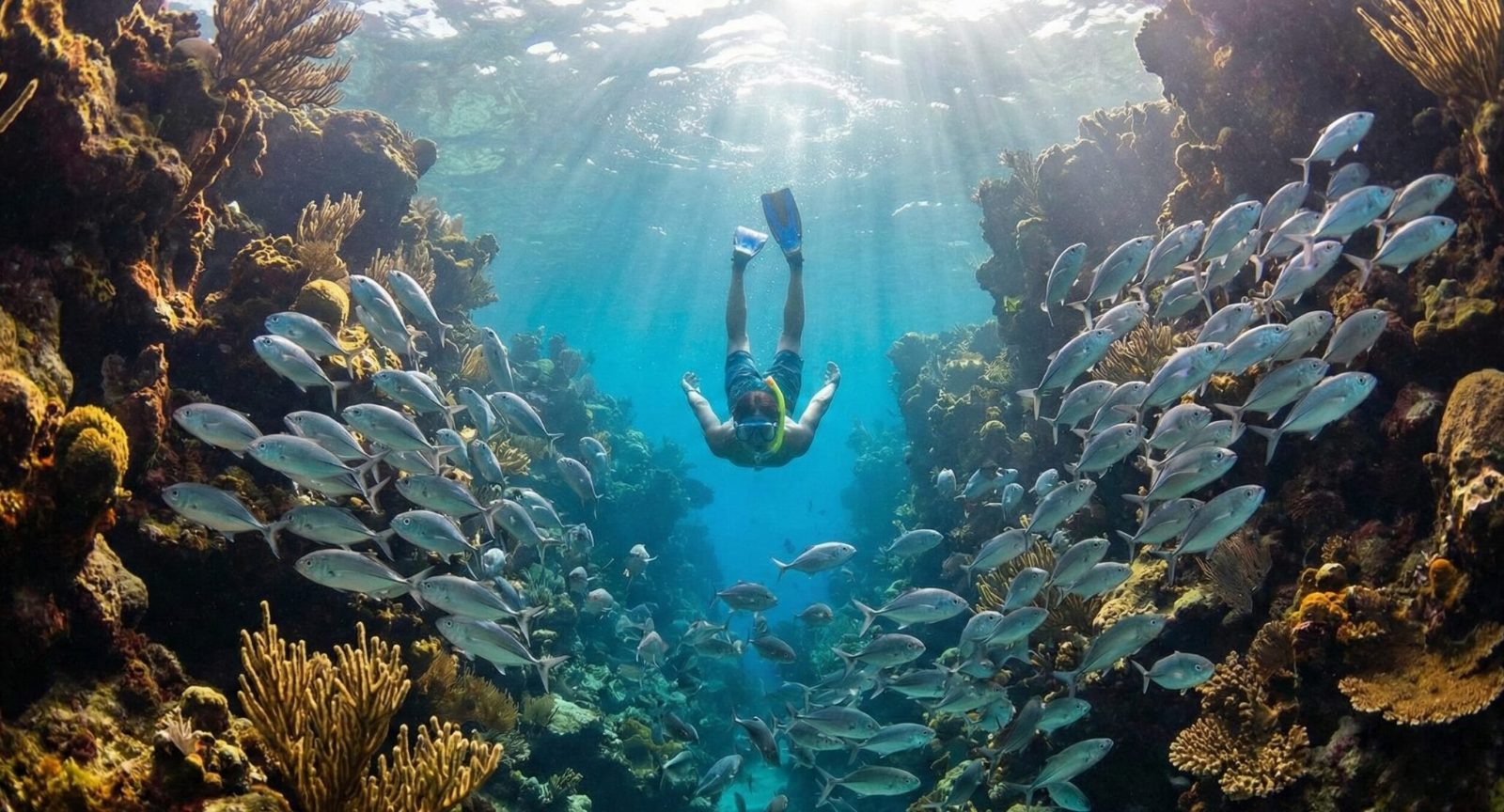
Guided snorkeling in Belize Barrier Reef waters through coral channels and grouper habitat.
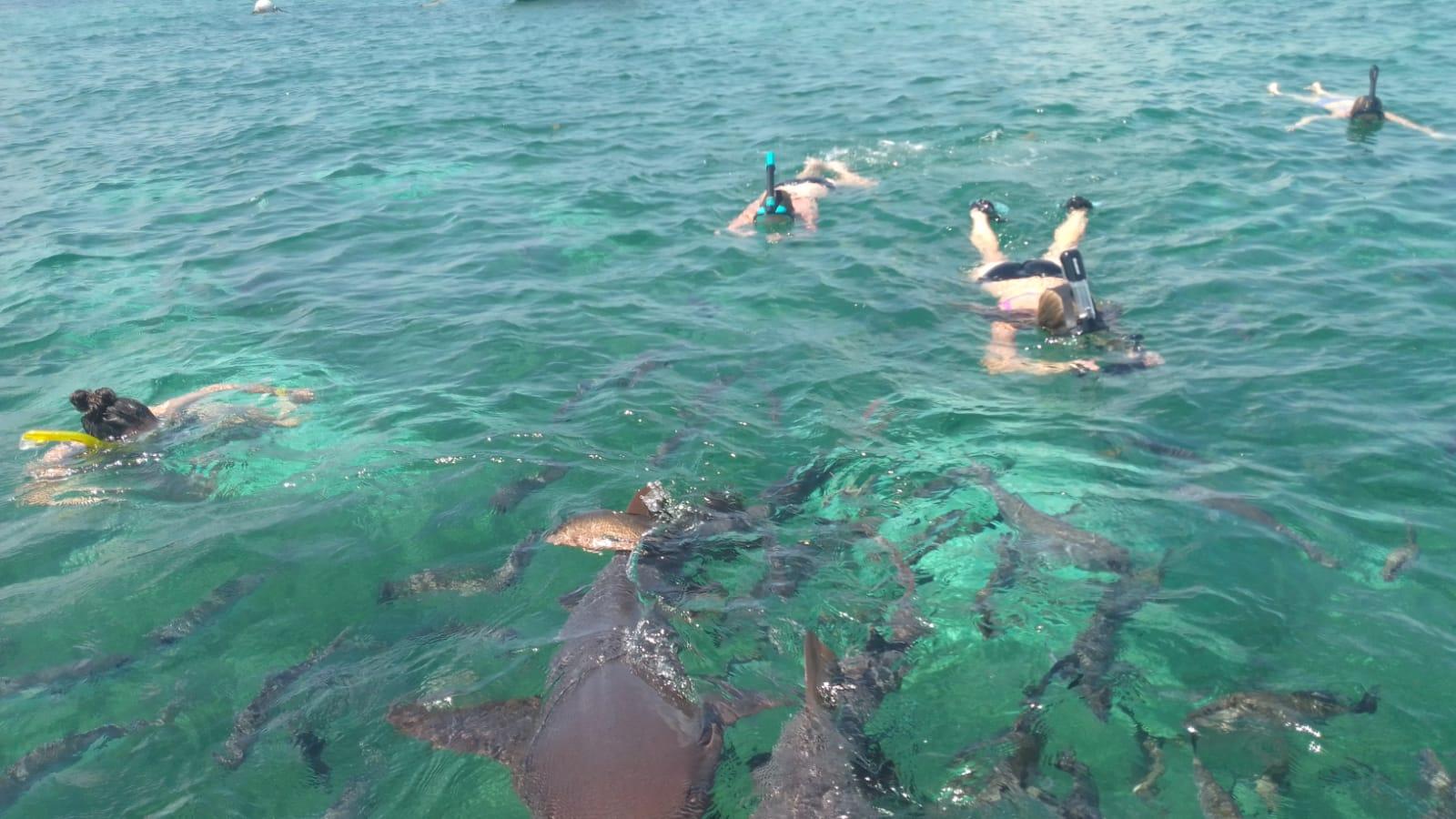
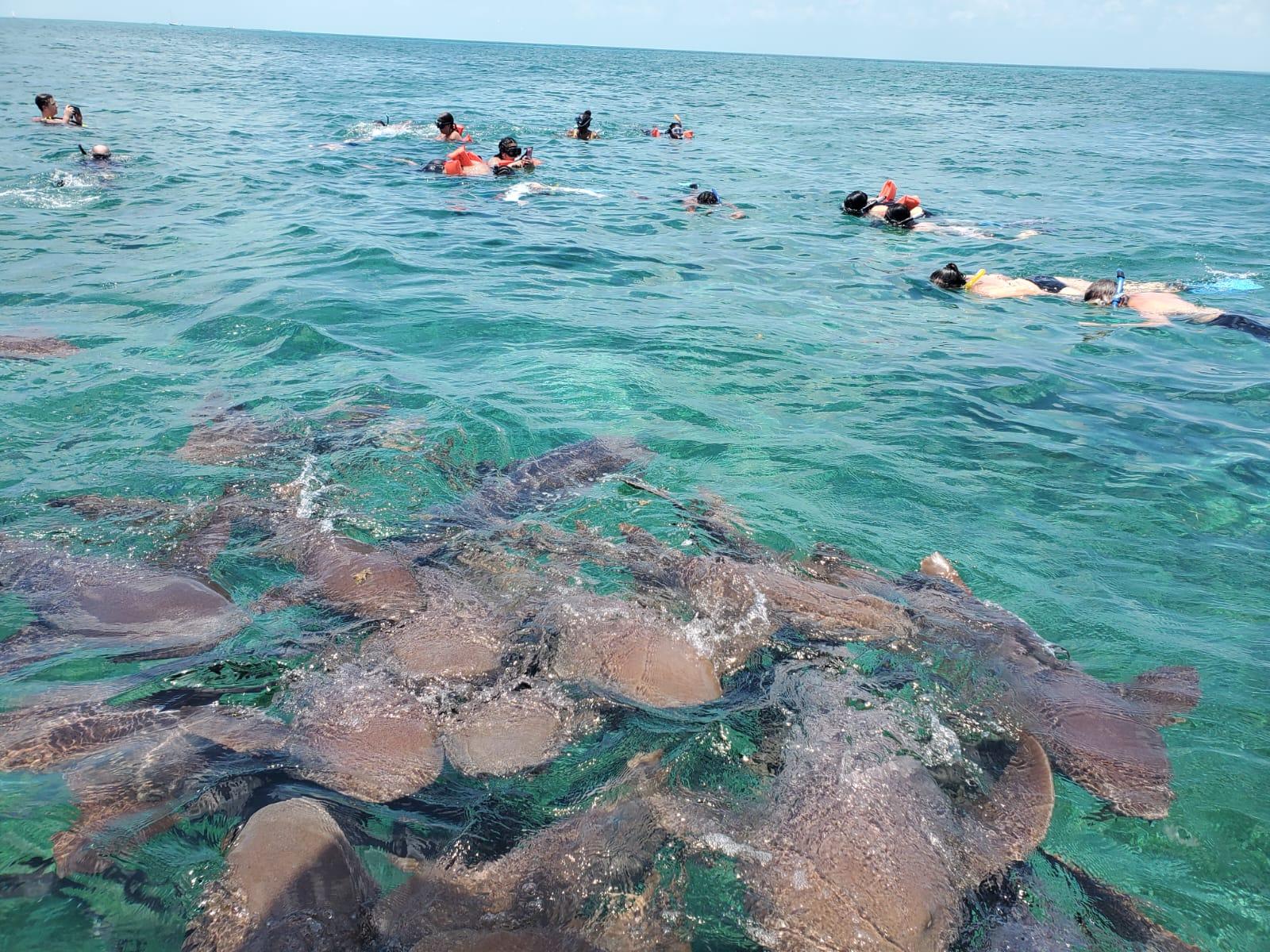
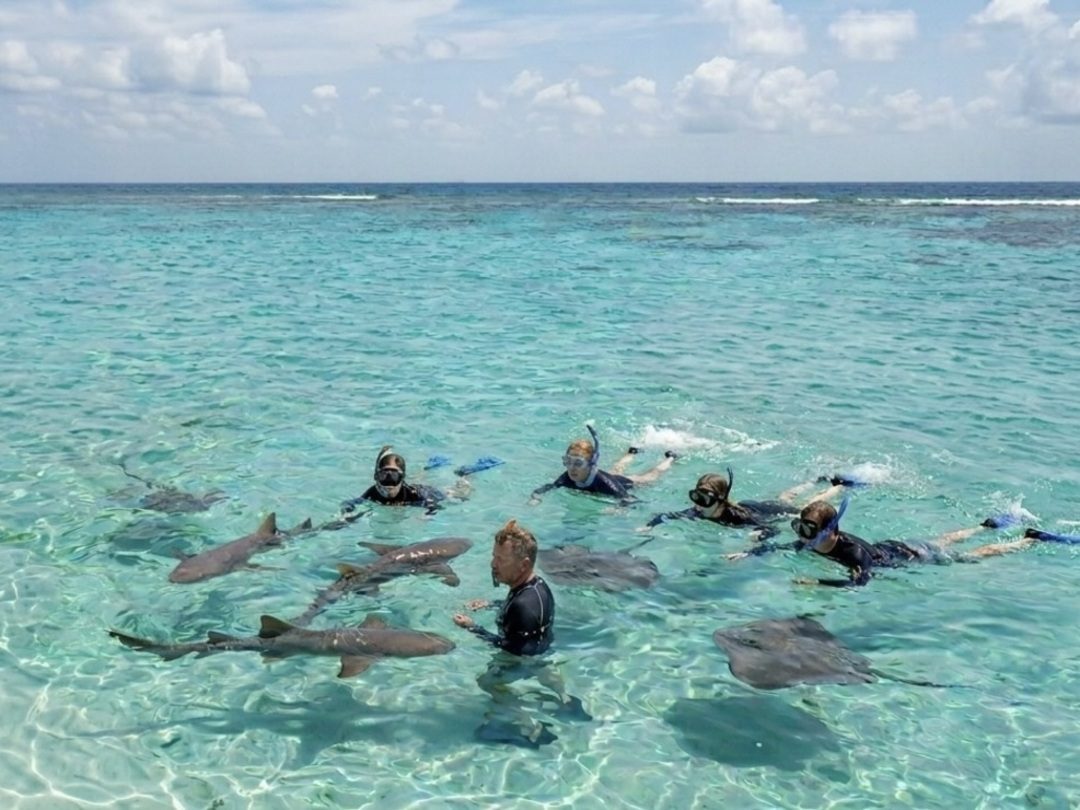
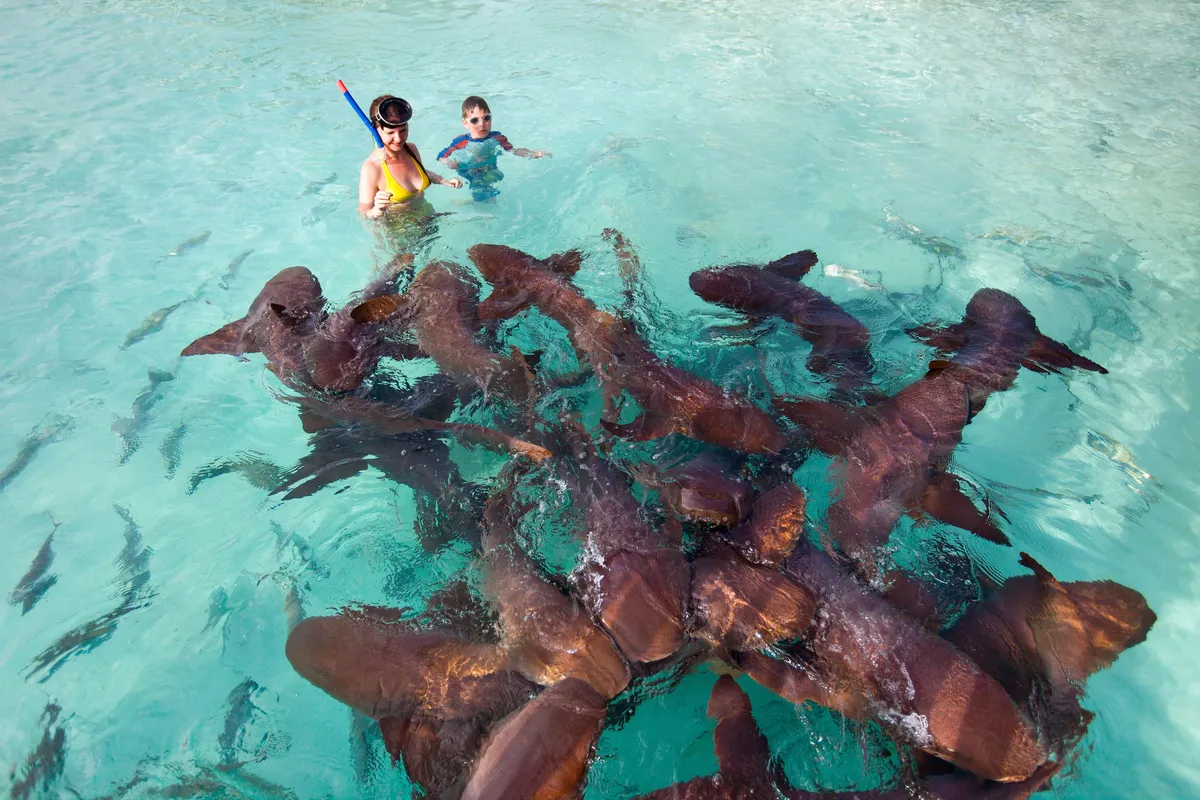
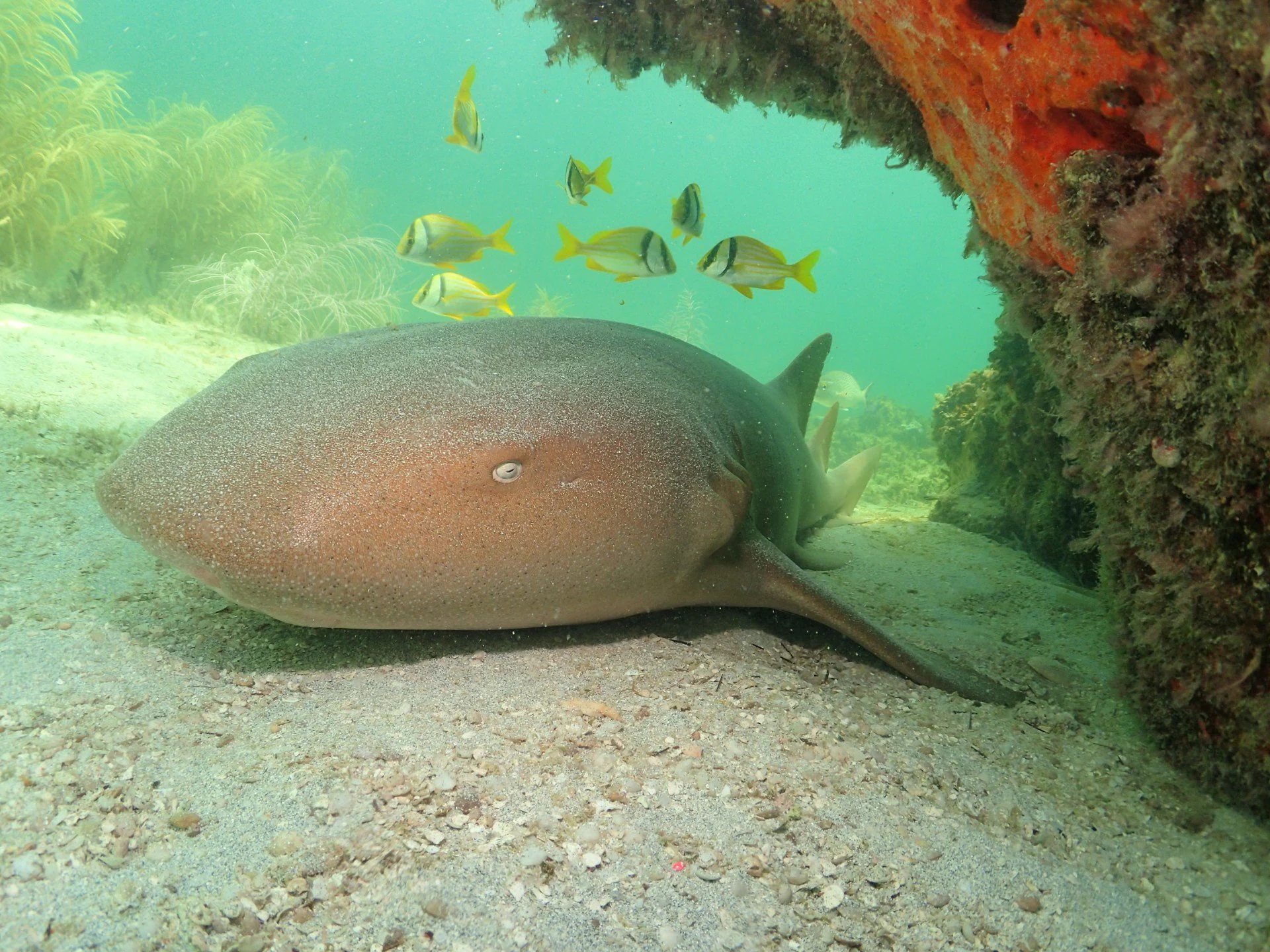
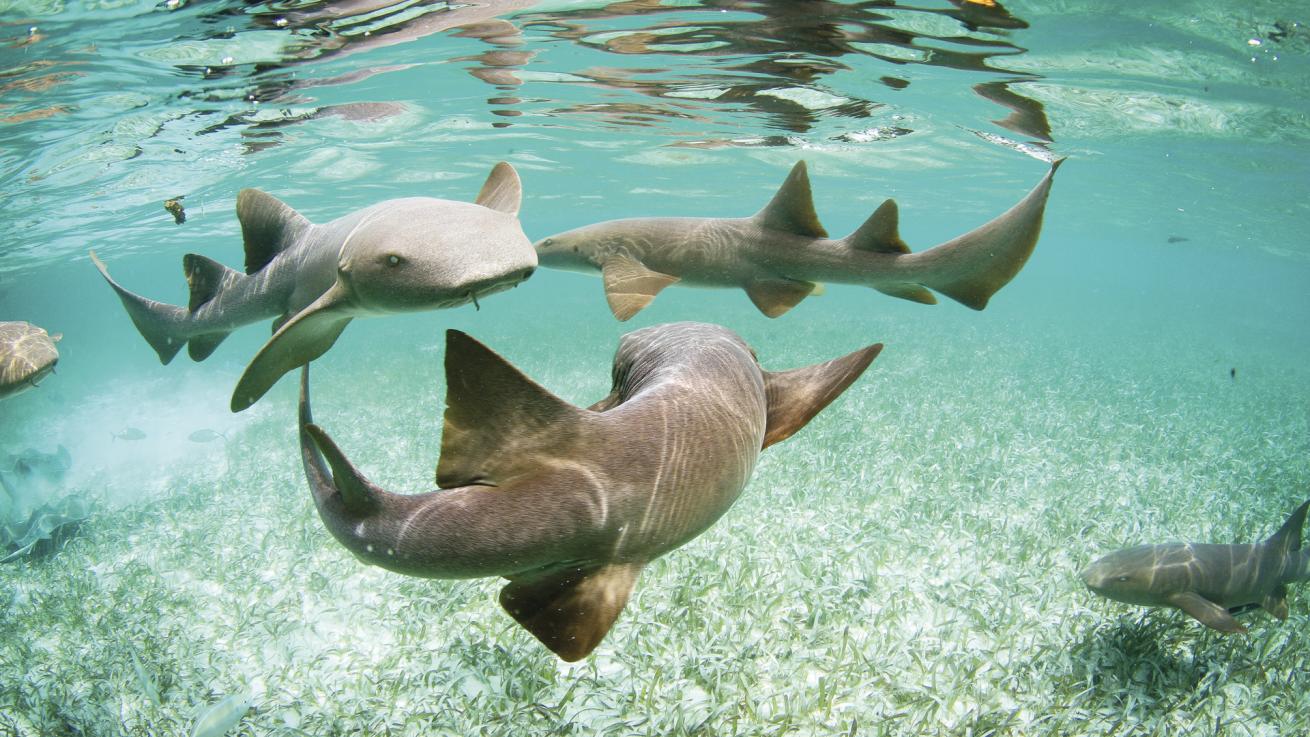
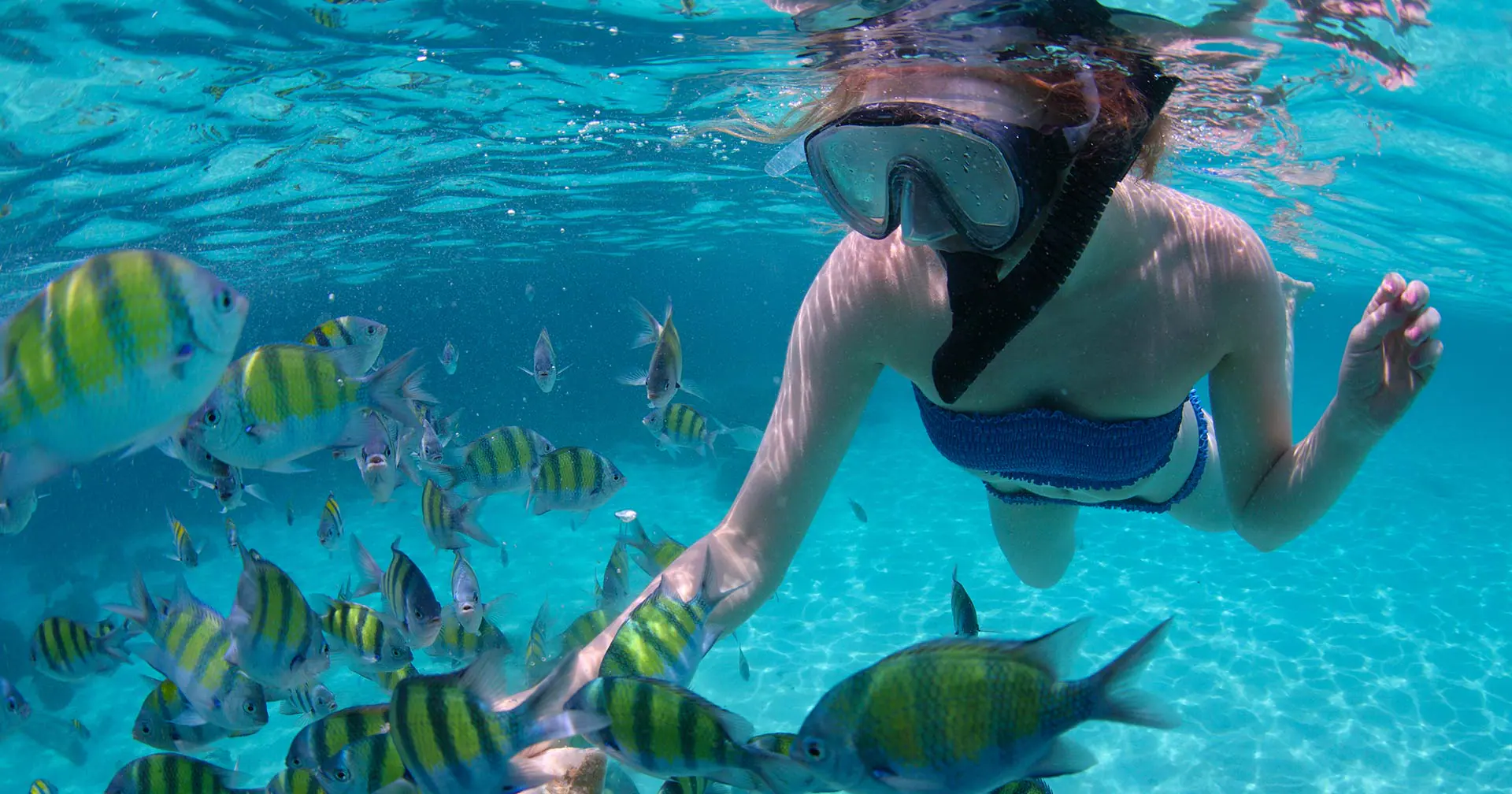
Swim among nurse sharks and southern stingrays in shallow, sandy water.
Rehydrate and eat a light snack or lunch, often on a nearby caye.
Boat returns to San Pedro or Caye Caulker dock for disembarkation.
A natural channel cut through the reef that gives the marine reserve its name, dropping from shallow flats to about 9 meters deep and funneling large numbers of grouper, snapper, and barracuda through a narrow gap.
A shallow sandbar area inside the reserve where nurse sharks and southern stingrays gather in knee-to-waist-deep water, originally drawn there by fishermen cleaning catch decades ago.
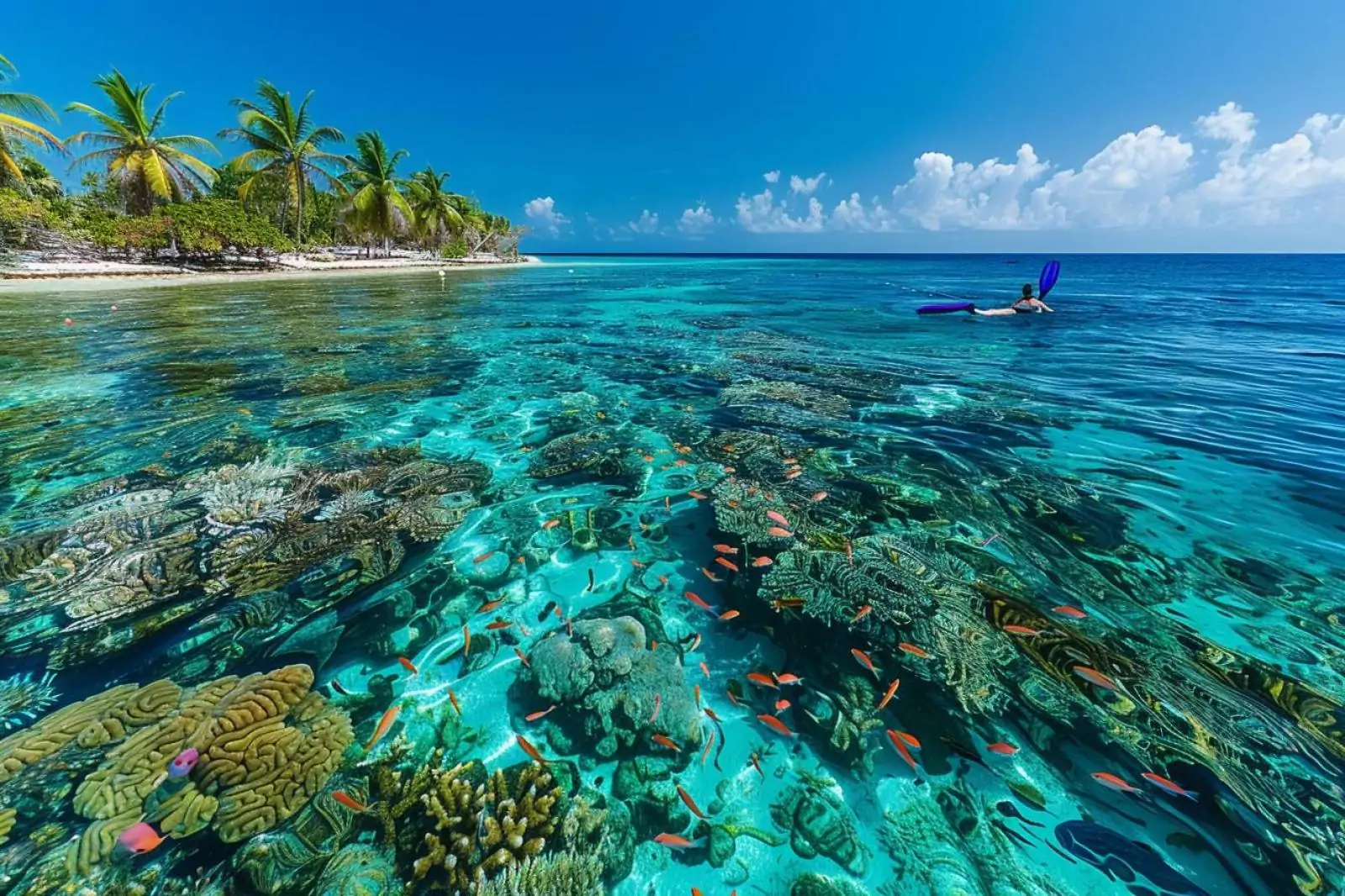
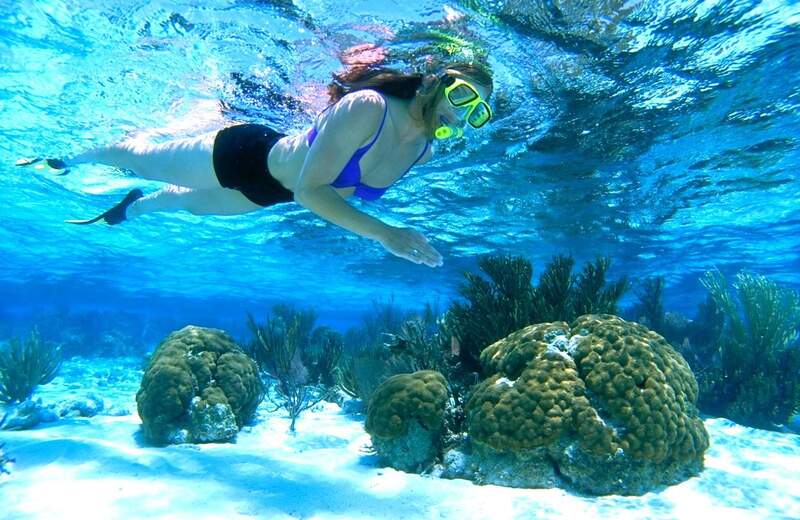
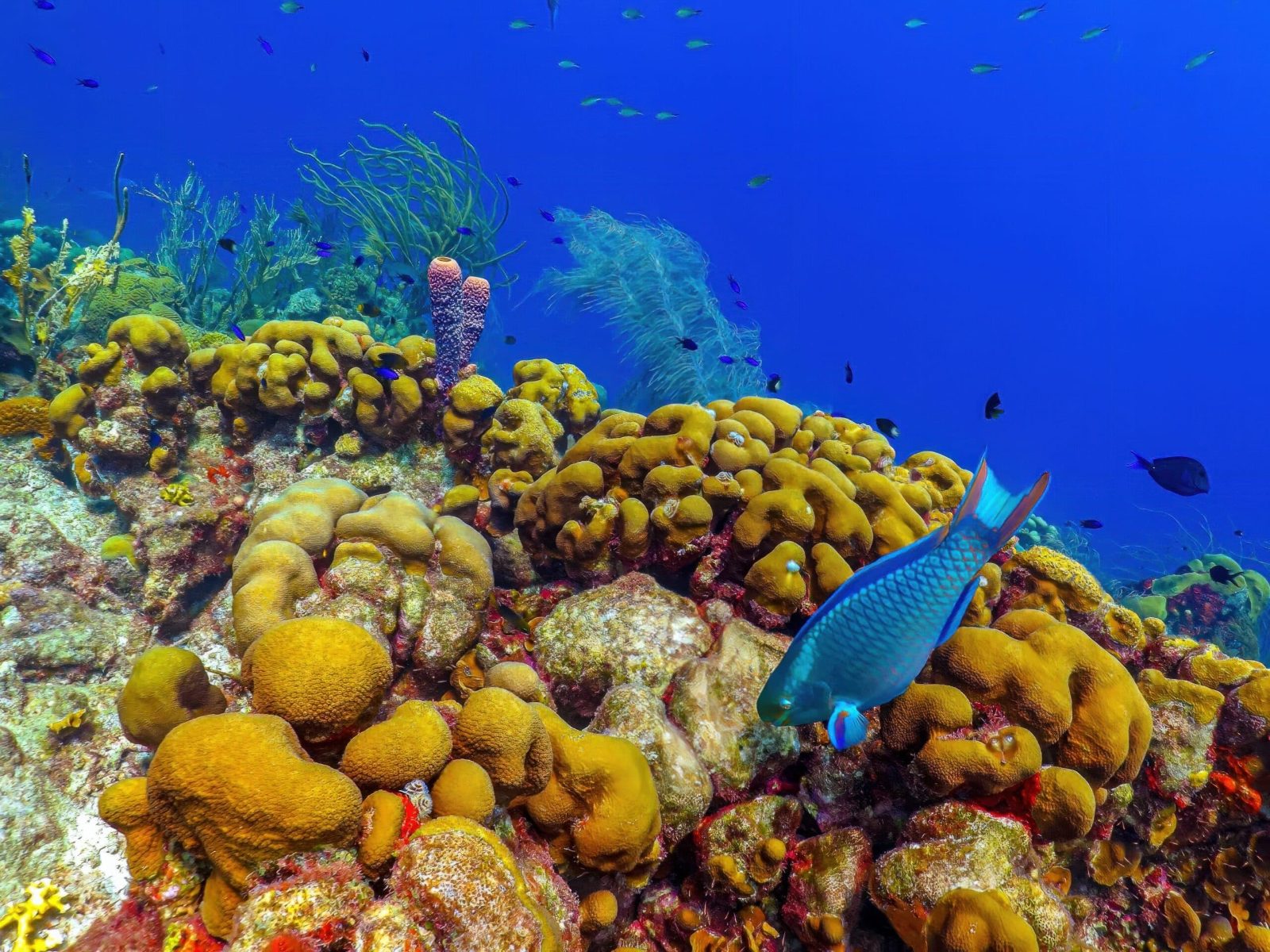
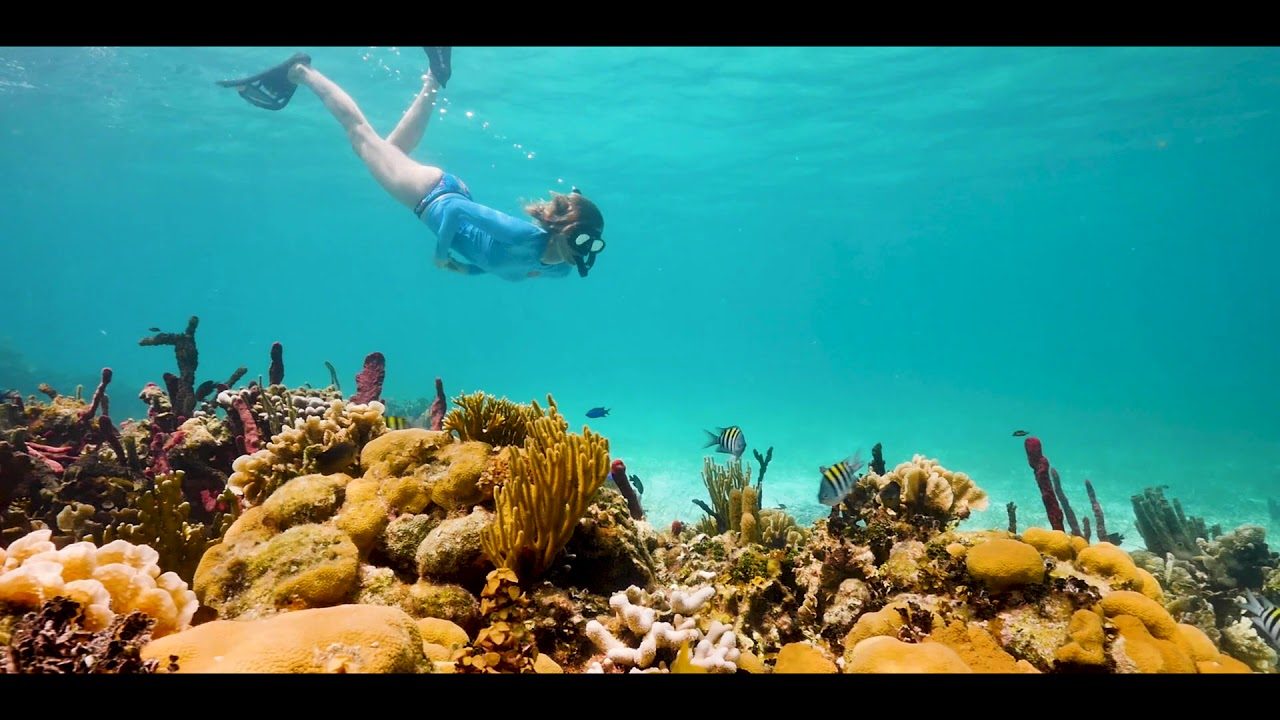
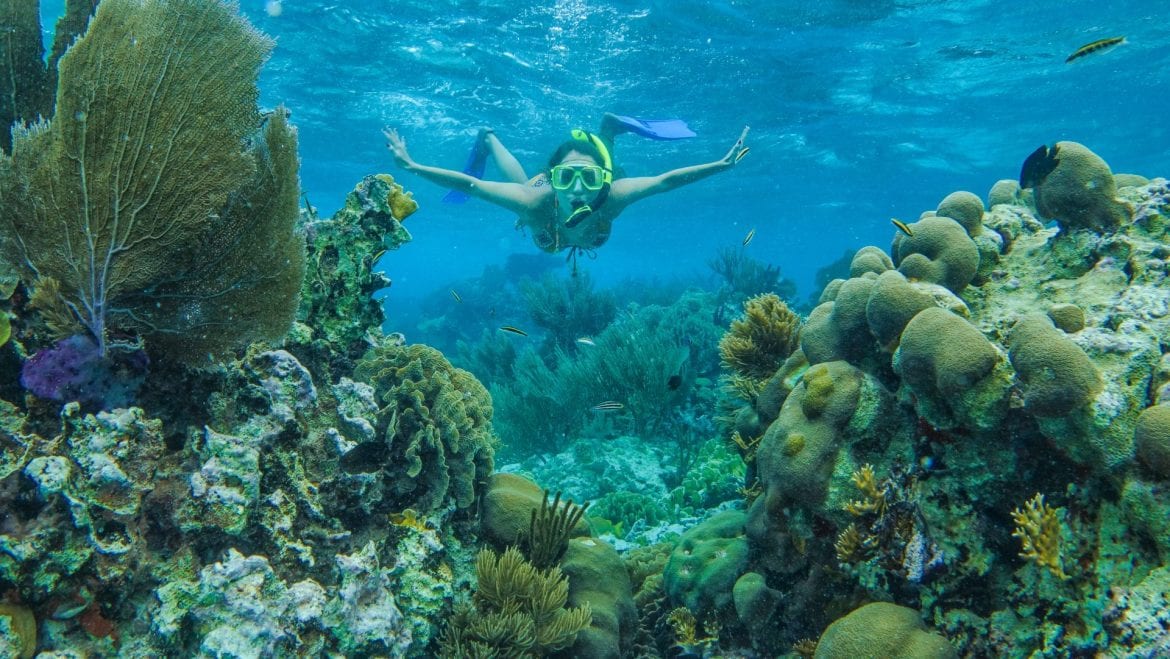
A shallow reef flat thick with elkhorn and brain coral formations, home to parrotfish, sergeant majors, and juvenile reef species in water often under 3 meters deep.
A deeper channel zone near Hol Chan known for larger pelagic sightings including eagle rays and occasional reef sharks, favored by more experienced snorkelers and divers.
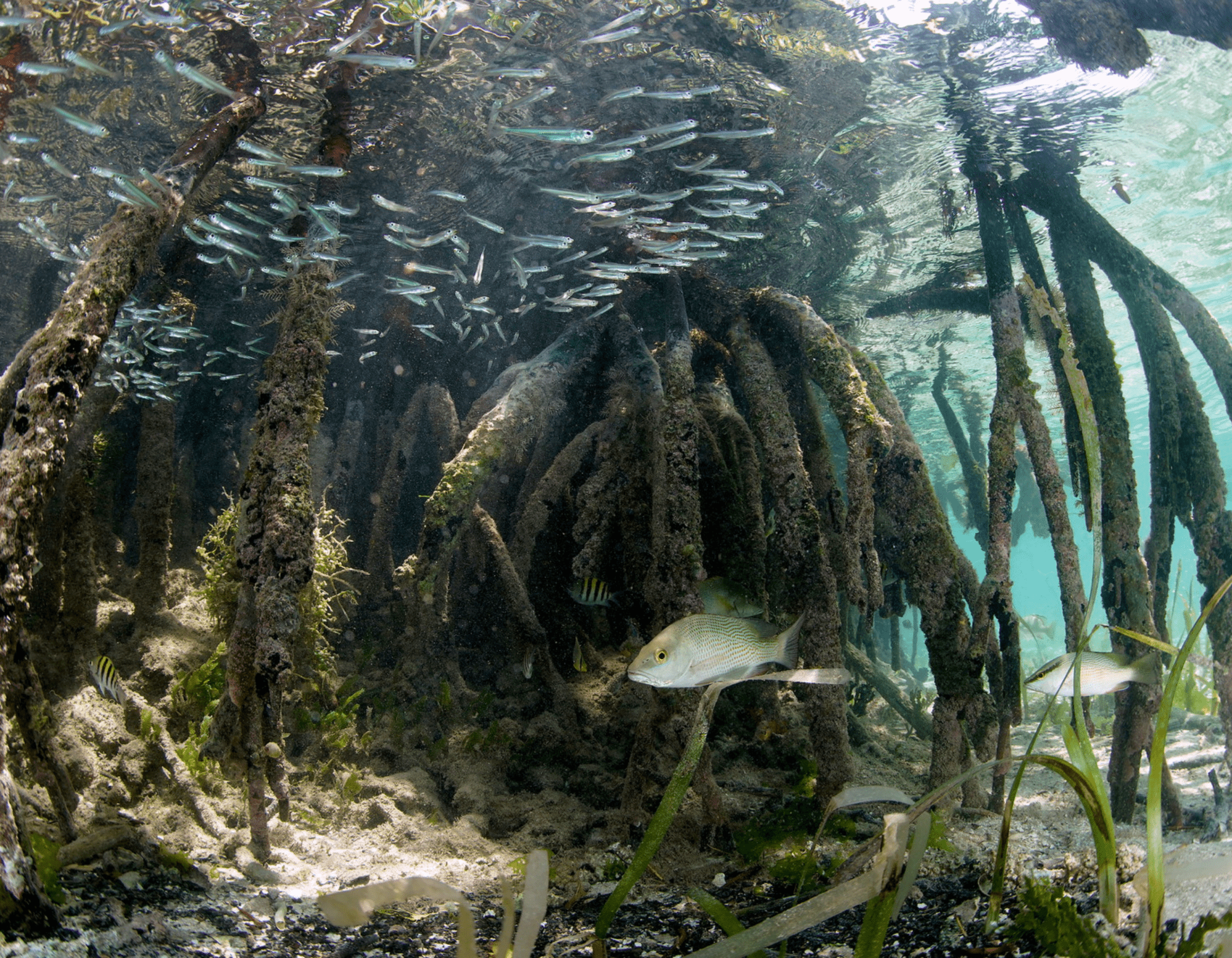
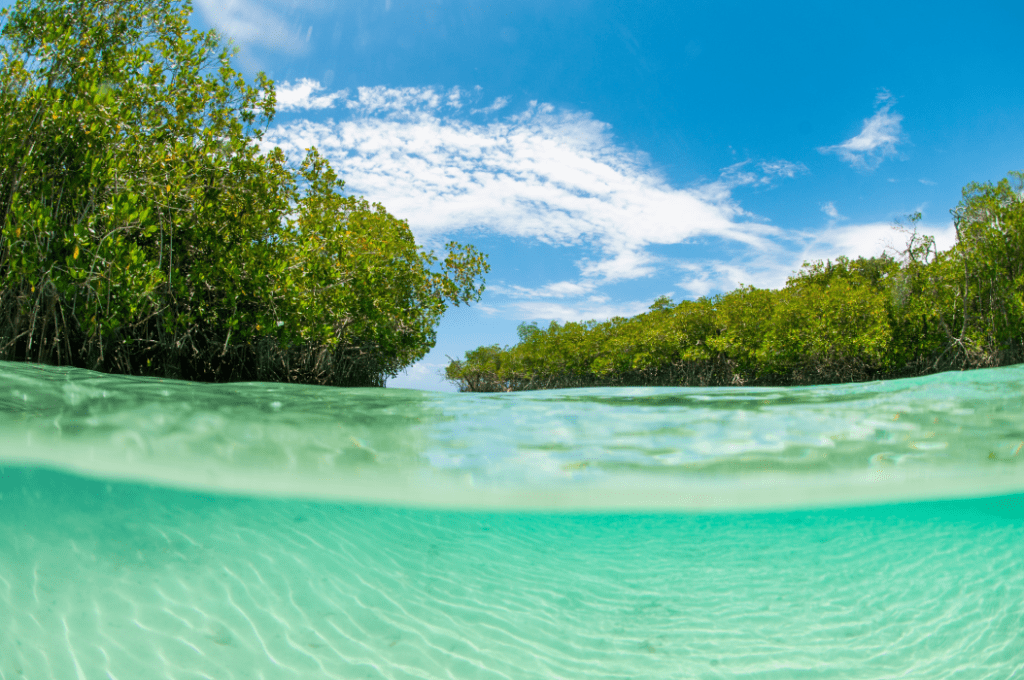
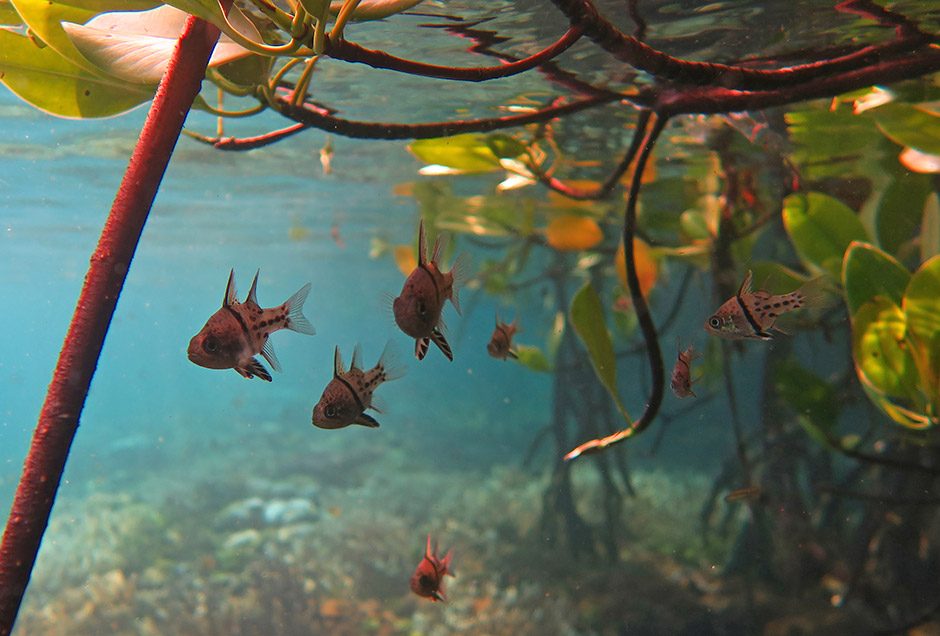
A protected mangrove-lined section of the reserve that serves as a nursery habitat for juvenile fish and lobster, illustrating the ecological link between mangroves and the outer reef.
You board a 25-foot skiff from Caye Caulker or San Pedro at 8:30, outboard engine cutting through turquoise shallows toward the reef line visible as a dark band on the horizon. The captain throttles down at Hol Chan's marked buoy, and you slip into bath-warm water three metres deep.
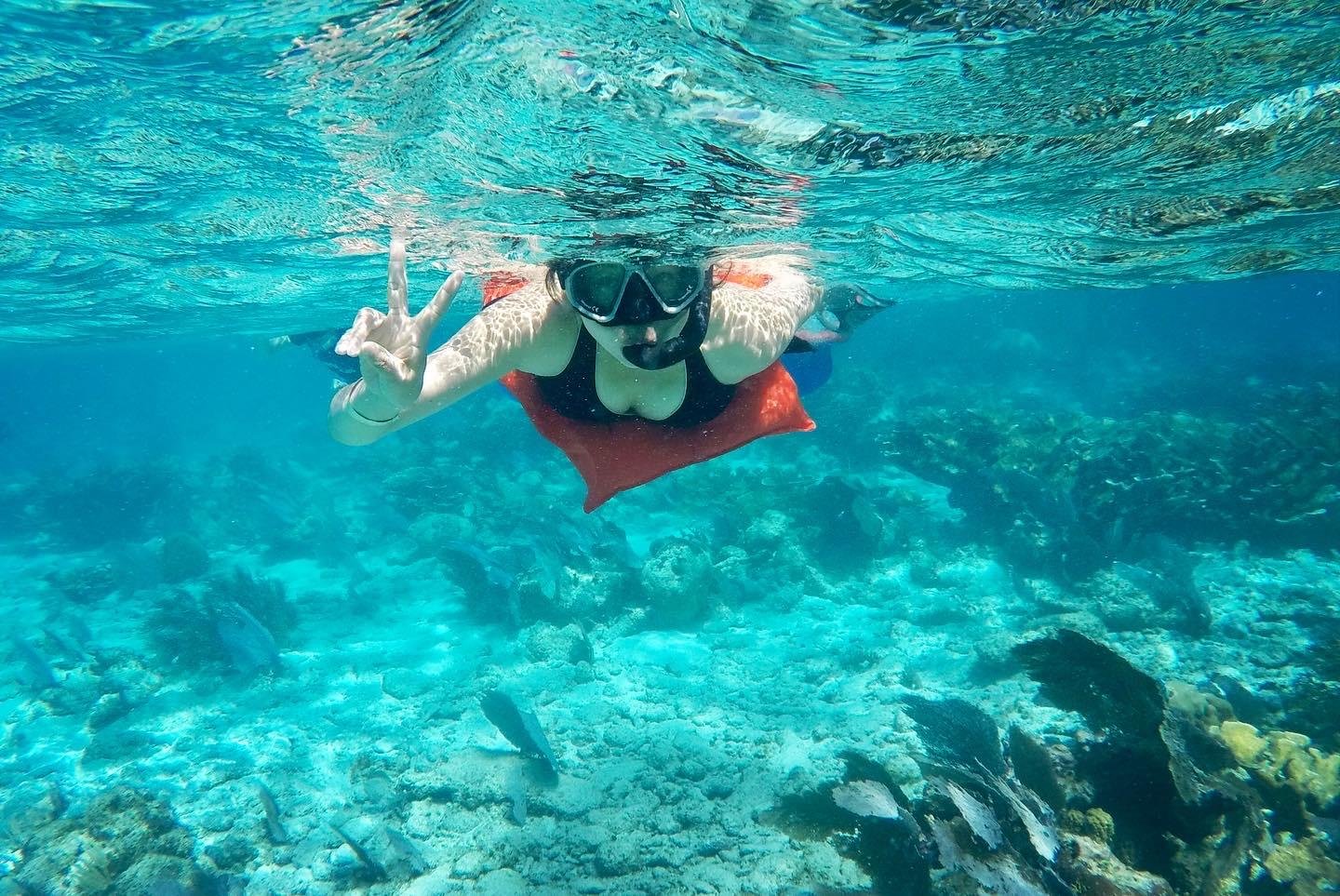
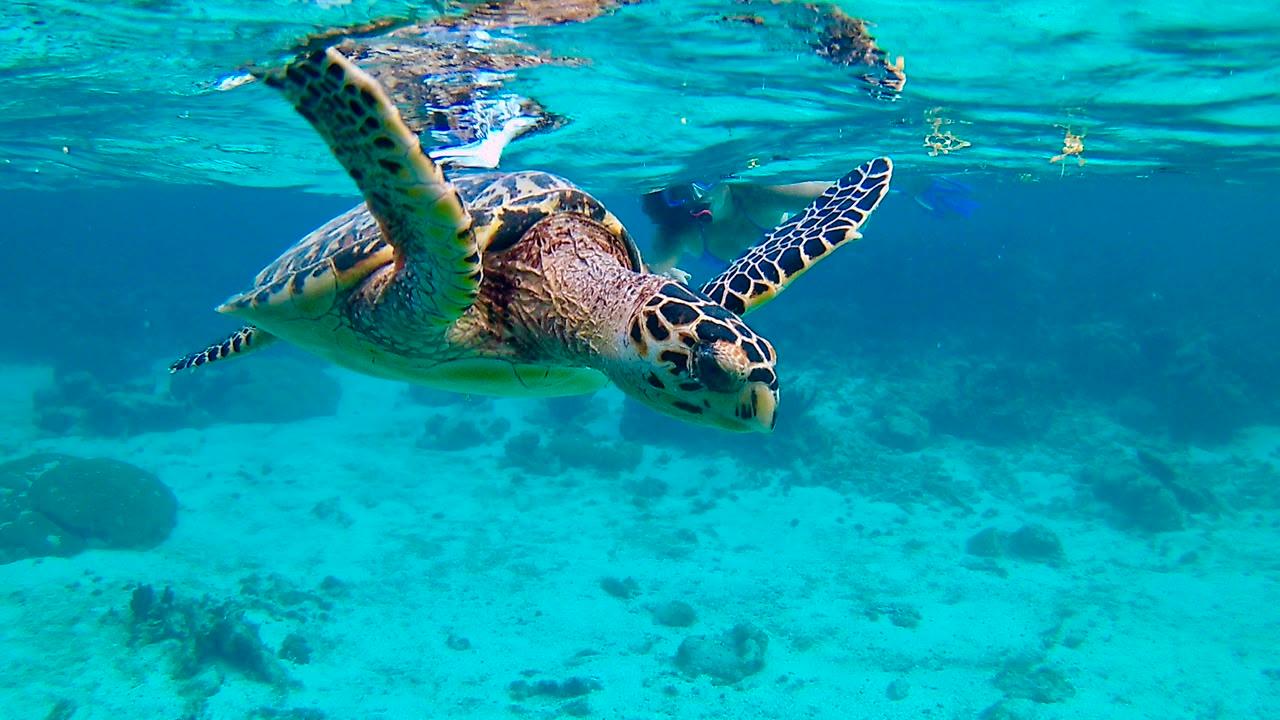
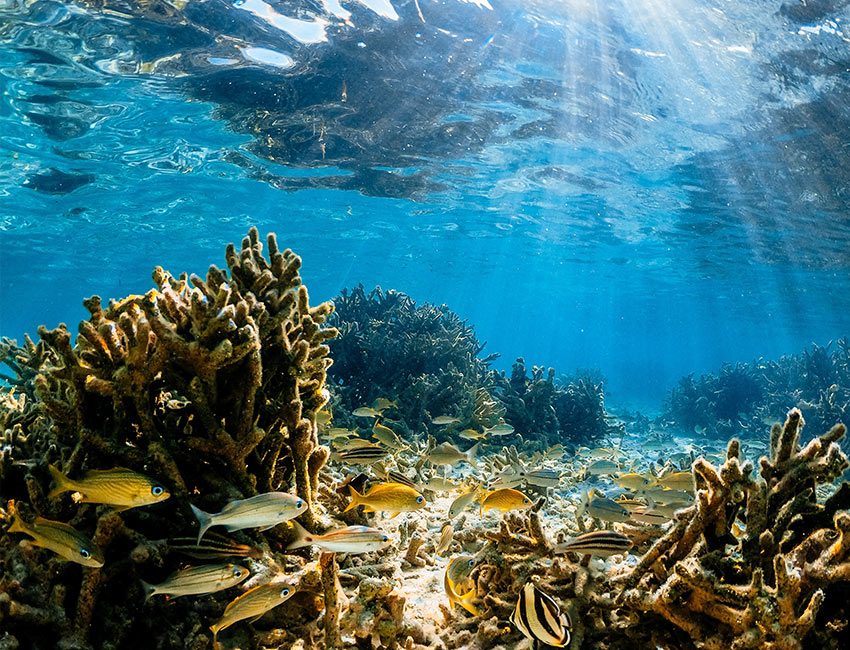
Staghorn coral branches rise from white sand below, parrotfish grinding algae from limestone with audible crunches. You fin over the channel cut, current pulling gently, and a hawksbill turtle surfaces for air two body-lengths away before diving back to sponge beds along the reef wall.
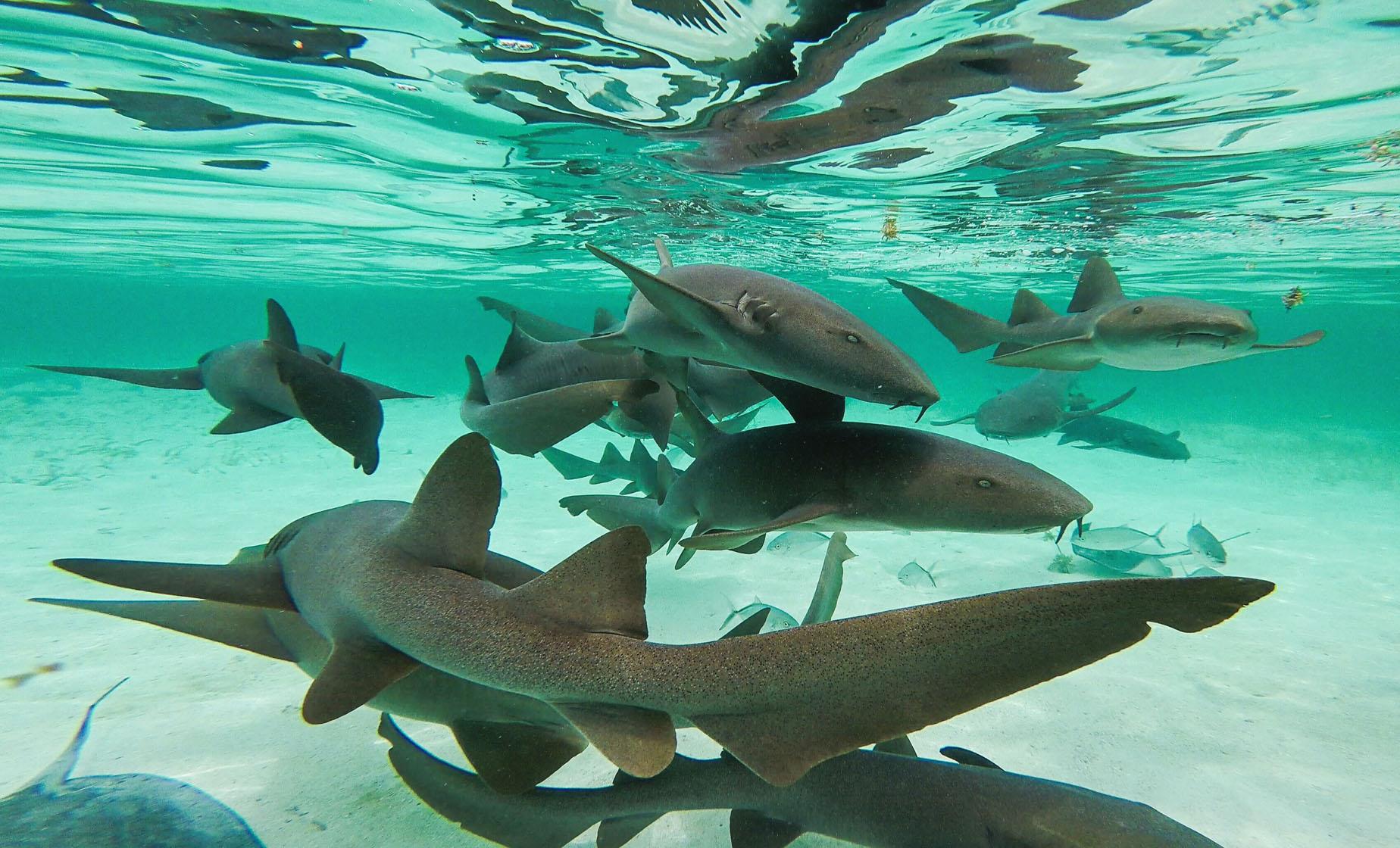
At Shark Ray Alley, the boat anchors in chest-deep water. Nurse sharks rest on the sandy bottom, their grey-brown bodies motionless until your shadow crosses them and they glide away with lazy tail sweeps. Southern stingrays flap past, wingtips brushing your calves. The guide dives to retrieve a conch shell, showing you the living mollusk inside before replacing it gently. You move to a third site where brain corals the size of small cars dot the seabed, their surface grooves intricate as fingerprints. Schools of blue tangs shift direction in unison. A spotted eagle ray cruises the edge of visibility, white spots stark against chocolate-brown wings. You surface after 40 minutes, face flushed from sun reflecting off water, salt crusted at your mask seal.
All the details about your upcoming adventure in one place
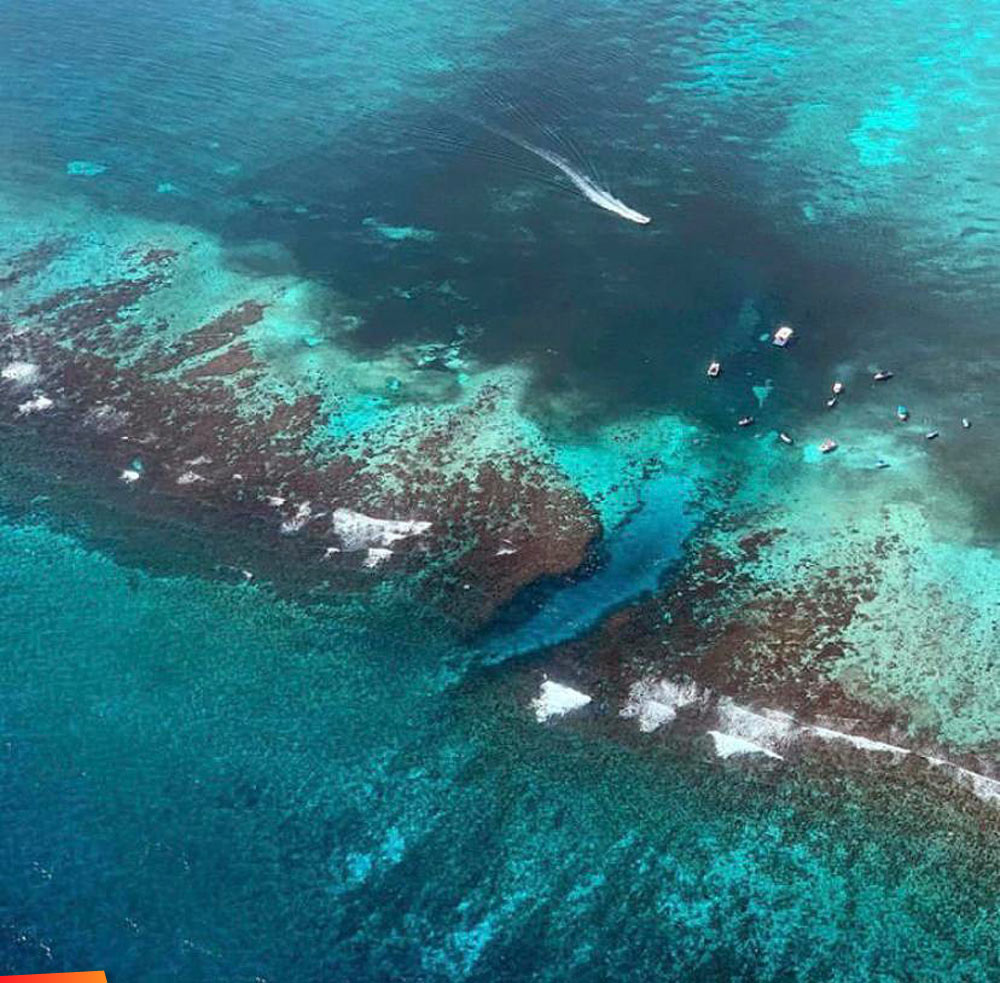
The Belize Barrier Reef stretches 300 kilometres along Central America's coast, making it the second-longest coral barrier system on Earth after Australia's Great Barrier Reef.
Part of the larger Mesoamerican Barrier Reef that runs from Mexico's Yucatán Peninsula to Honduras, this underwater ridge has been building for millennia, its calcium carbonate structure laid down by generations of coral polyps. UNESCO inscribed the reef as a World Heritage Site in 1996, recognizing seven distinct marine reserve zones that protect over 500 species of fish, 100 coral varieties, and critically endangered species including hawksbill turtles and West Indian manatees.
Snorkeling in Belize Barrier Reef centers on Hol Chan Marine Reserve, established in 1987 as Central America's first marine protected area. The reserve's name derives from Mayan words meaning "little channel," referring to a natural break in the reef where nutrient-rich water flows between the Caribbean Sea and shallow backreef lagoons. This 18-square-kilometre sanctuary divides into four zones: the reef itself, seagrass beds, mangrove forests, and Shark Ray Alley, where southern stingrays and nurse sharks congregate in waters less than four metres deep. Conservation fees collected at entry fund reef monitoring programs and support local fishing communities transitioning to ecotourism.
The reef structure creates distinct underwater topography. Shallow spur-and-groove formations run perpendicular to shore, carved by wave action over thousands of years. Elkhorn and staghorn corals dominate the shallows, while brain corals and massive boulder corals anchor deeper sections. Snorkeling in belize barrier reef tours typically visit three to seven sites in a single outing, moving between coral gardens, sandy channels where spotted eagle rays hunt, and drop-offs where the reef wall descends into blue water. September through November brings whale shark migrations, though sightings require ventures beyond the barrier into open ocean. Year-round water temperature holds between 26 and 29 degrees Celsius, and visibility averages 20 to 30 metres except during winter cold fronts when plankton blooms reduce clarity temporarily.
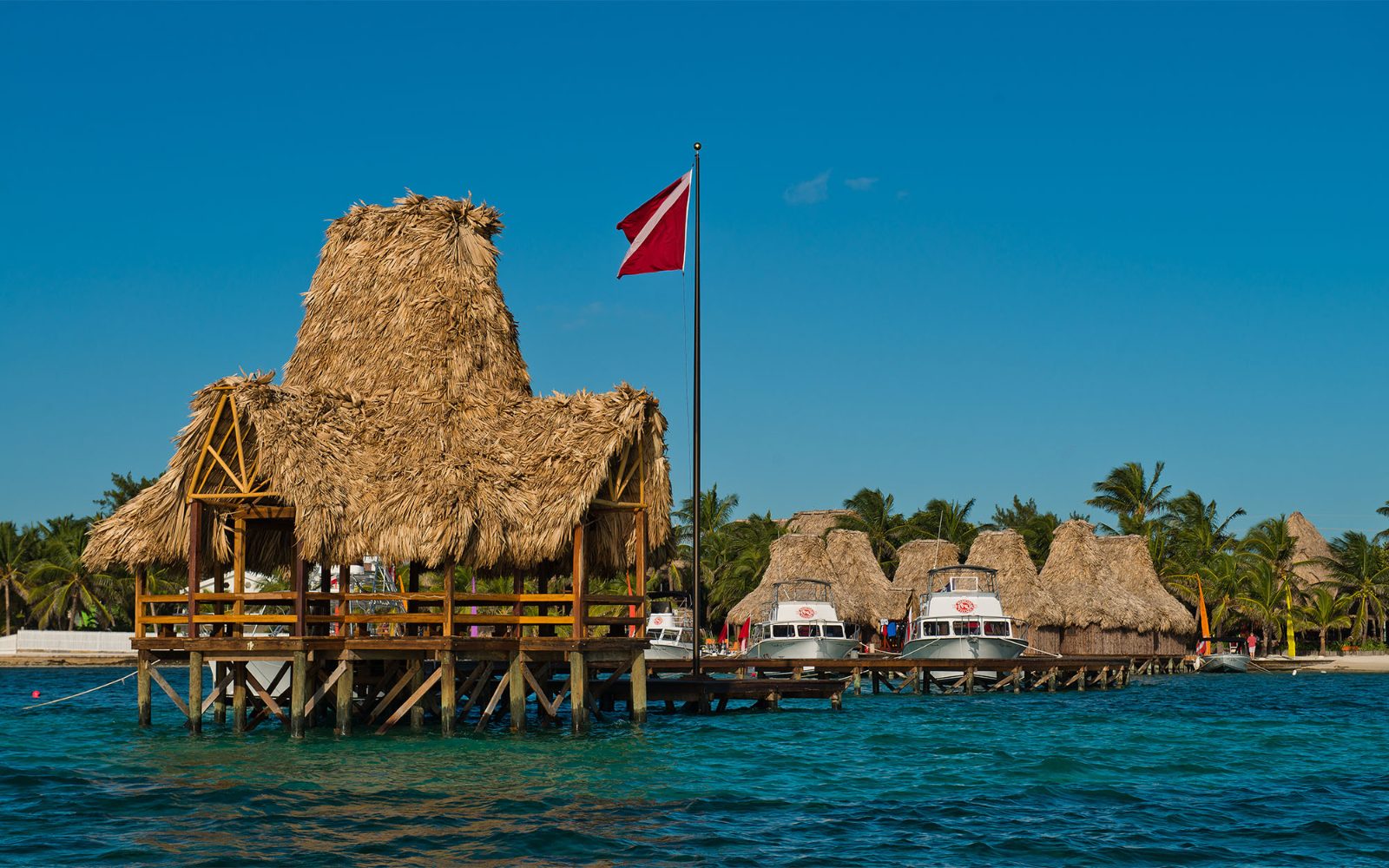
The reef's name derives from Mayan words meaning little channel, where nutrient-rich water flows between sea and lagoon
Wear a swimsuit under lightweight, quick-dry clothing since you will be in and out of the water most of the day on the reef. Reef-safe (mineral-based) sunscreen is strongly encouraged, as chemical sunscreens are discouraged near the coral inside Hol Chan Marine Reserve. Bring a rash guard or light wetsuit top if you sunburn easily, since exposure during a full day of snorkeling in Belize Barrier Reef waters adds up fast.
Boats have limited dry storage, so pack a small waterproof or zippered bag rather than a large suitcase or backpack. Valuables should be left at your hotel in Belize City, San Pedro, or Caye Caulker, since most vessels have no locked storage. Crew do a quick gear and headcount check before departure but there is no formal security screening on the water.
Underwater cameras and GoPros are permitted and encouraged, but flash photography is discouraged near coral formations to avoid disturbing marine life. Touching or standing on coral to get a better shot is prohibited inside Hol Chan Marine Reserve and enforced by reserve rangers. Drone use over the reserve requires prior authorization from the Belize Audubon Society and is restricted in most zones.
Children are welcome on most snorkeling in Belize Barrier Reef tours, though many operators set a minimum age (commonly around 6-8 years) for safety in open water. Life jackets and flotation devices are provided for younger or less experienced swimmers. Shallow, calmer sites within Hol Chan Marine Reserve are typically chosen for family groups with kids.
Access to the reef is by boat only, and most vessels require climbing down a short ladder into the water, which limits options for guests with mobility impairments. Some operators offer flotation vests and noodles for less confident swimmers, and non-swimmers can often stay aboard while others snorkel. Contact your chosen operator in advance to confirm whether their boat can accommodate specific mobility needs.
Most full-day boat trips include bottled water and a light snack or lunch, often grilled on a nearby caye such as Caye Caulker or Ambergris Caye. Alcohol is generally not served until after snorkeling activities are finished for safety reasons. There are no restaurants on the reef itself, so all food is either brought aboard or served on a stop at a nearby island.
Midweek, generally lighter boat traffic
Busiest day, weekend tour groups
Hours
Daily 08:00–16:30, every day of the week
Address
Belize Barrier Reef, Belize District, Belize
Access
Boat entry only, via licensed tour operators from San Pedro or Caye Caulker
Best Arrival
08:30–10:30 for calmer water and less boat traffic
Conservation Fee
10 USD per person, Hol Chan Marine Reserve fee
Boat · 20-30 min from San Pedro · Included in tour price
Chartered snorkel boats depart from San Pedro Town Dock or Caye Caulker Water Taxi Dock directly to Hol Chan Marine Reserve and nearby reef sites.
Water Taxi · 75-90 min from Belize City · Approx. 20-25 USD one-way
San Pedro Belize Express and Ocean Ferry Belize run frequent boats between Belize City and Ambergris Caye or Caye Caulker.
Flight · 15-20 min · Approx. 80-140 USD round-trip
Domestic carriers Tropic Air and Maya Island Air connect Belize City's international and municipal airports to San Pedro.
Most boat operators running snorkeling in Belize Barrier Reef tours allow free cancellation up to 24 hours before departure, with a full refund of the tour price. The 10 USD Hol Chan Marine Reserve conservation fee is collected on site and is not part of any advance refund since it is paid directly to the reserve, not the operator.
Recommended time
3-6 hours
A focused snorkeling in belize barrier reef outing runs about 3 hours: transit by boat, two to three reef stops, and a rest break, best slotted into the 08:30-10:30 calm-water window before midday tour groups thicken the anchorage. Budget closer to 6 hours if the itinerary adds Shark Ray Alley or a second reserve zone, and a full day (near the 08:00 opening to mid-afternoon) if lunch on a caye and gear fitting are included. Arriving right at 08:00 avoids the queue at the ranger check-in station, since boats leaving after 10:30 often wait for buoy space as afternoon groups arrive. Add 30-45 minutes on weekends and holidays, when local dive shops run overlapping departures.
Crowd levels through the day
Weather · crowds · average price — dots go green to amber to red as each metric rises.
Dry season conditions bring calmer seas and clearer water for snorkeling in Belize Barrier Reef. Air temperatures average 27-30°C with lower rainfall than summer months. This period sees steady tourist numbers ahead of the summer peak.
Warm, humid weather with average water temperatures near 28°C makes for comfortable long swims. Occasional afternoon thunderstorms can shorten trips, and this is peak season for family travel.
September through November is the height of hurricane season, so trips can be rescheduled on short notice due to storms. Crowds are thinner and rates are often lower, making it a quieter time for snorkeling in Belize Barrier Reef.
Dry, breezy conditions bring some of the clearest visibility of the year, though stronger winds can create choppier surface water. This is the busiest season with North American and European holiday travelers.
Choose operators registered with the Belize Tourism Board, since they carry required safety gear and know current reef rules.
The 10 USD Hol Chan conservation fee is typically collected in cash on the boat, so carry small bills.
Chemical sunscreens are discouraged inside the marine reserve, so buy a mineral-based option before heading out.
Boats have minimal dry storage, so a small zippered dry bag works better than a full backpack.
Trips between June and November can be rescheduled on short notice due to storms, so keep your schedule flexible.
Standing on or touching coral formations is prohibited and damages the reef, so keep hands and fins clear.
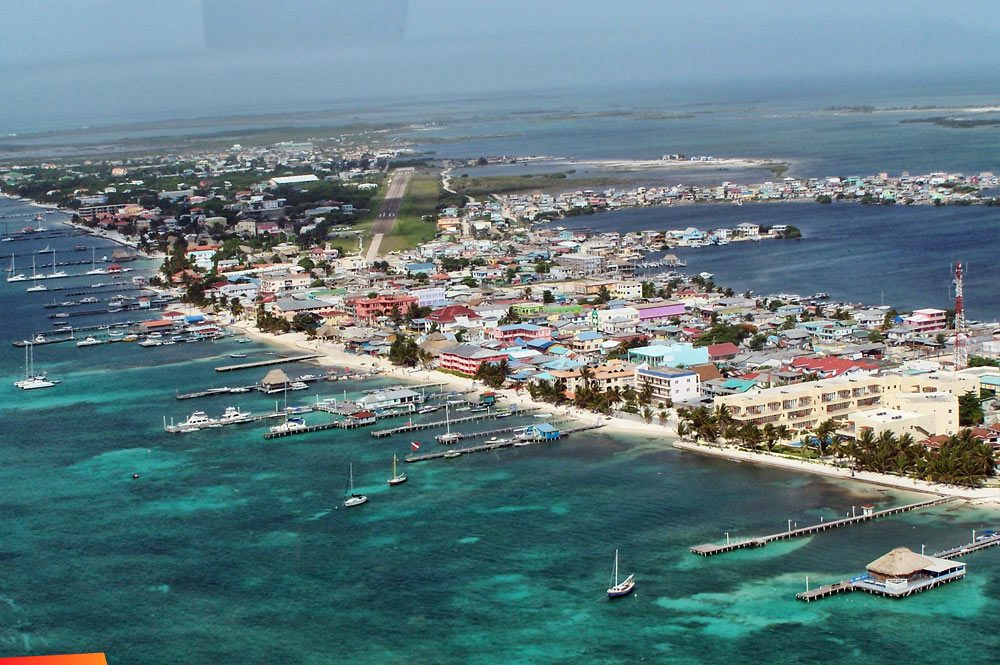
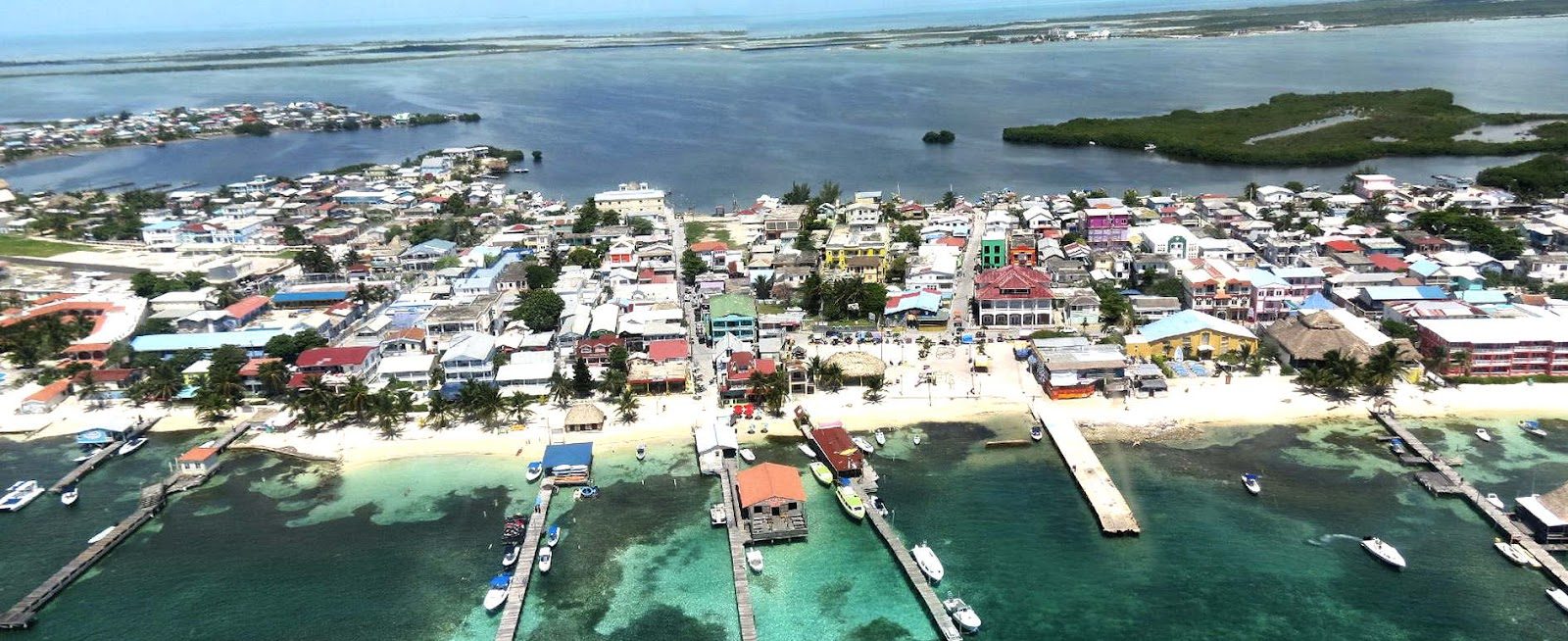
Front Street, San Pedro, Ambergris Caye, Belize
Main departure point for most Hol Chan boat tours
Get directions
Front Street, Caye Caulker, Belize
Secondary departure point closer to southern reef sites
Get directionsThe Belize Barrier Reef remained largely unexplored by the modern diving community until the mid-20th century, when Jacques Cousteau's 1971 expedition to the Great Blue Hole brought international attention to these waters. Local fishermen had long recognized the abundance of marine life around Hol Chan Cut, a natural break in the reef south of Ambergris Caye, but commercial tourism did not arrive until the early 1980s. By 1987, mounting concerns over spearfishing and coral damage led the Belizean government to establish Hol Chan as the country's first marine reserve, protecting four distinct zones across 18 square kilometers. The Belize Audubon Society assumed management responsibilities that same year, implementing strict no-take regulations and mandatory guide systems that transformed snorkeling in Belize Barrier Reef from an unregulated activity into a sustainable model. UNESCO recognized the broader reef system with World Heritage designation in 1996, citing its exceptional biodiversity and pristine coral formations. The reserve expanded in 1999 to include Shark Ray Alley, where decades of fishermen cleaning their catch had habituated nurse sharks and southern stingrays to human presence. Conservation fees introduced in the early 2000s funded ranger patrols and mooring buoys that eliminated anchor damage at popular snorkel sites. By 2009, scientific surveys documented recovery of Nassau grouper populations and increased coral cover within reserve boundaries, validating the protection framework. Hurricane damage in 2001 and 2010 tested the reef's resilience, but restricted access during restoration periods allowed natural regeneration. Today, the reserve welcomes over 100,000 visitors annually while maintaining water quality standards and species counts that exceed pre-protection baselines, proving that managed snorkeling in Belize Barrier Reef tours can coexist with ecological preservation.
Jacques Cousteau's Blue Hole expedition introduces international audiences to Belize's underwater landscapes
Hol Chan becomes Belize's first marine reserve, managed by Belize Audubon Society with strict no-take zones
UNESCO grants World Heritage status to the Belize Barrier Reef Reserve System, recognizing global ecological significance
Reserve boundaries expand to include Shark Ray Alley, formalizing protection for habituated marine species
Conservation fees and mooring buoy systems eliminate anchor damage and fund ranger enforcement programs
Peer-reviewed surveys confirm population recovery of Nassau grouper and measurable increases in live coral cover
Hover at the surface a few feet above the sandy channel as nurse sharks and southern stingrays glide beneath you; a wide-angle or fisheye housing captures both the animals and the sunlit shafts overhead. Stay flat and avoid fin strokes near the sand to keep visibility clear.
Shallow spur-and-groove coral heads spread out in clear water, good for reef-scene shots with a mid-range zoom or standard housing port. Snorkelers hold position above the coral crowns rather than touching down, since the reef top sits just below the surface.
This narrow cut through the reef funnels clearer offshore water in, making it a solid spot for snorkeling in belize barrier reef photography where visibility often improves compared to the shallows nearby. Position mid-channel to frame the coral walls on either side without getting pushed into the current.
The reserve's namesake channel drops into a deeper groove lined with sponges and schooling fish, suited to a strobe-equipped housing since the walls shade out surface light. Photographers typically drift along the cut rather than anchoring a position, following the current's pull.
Where the reserve borders mangrove shallows, calmer water gives a steadier platform for macro shots of juvenile fish and small invertebrates. A close-focus lens or macro wet lens works best here since subjects sit near the surface roots.
Snorkeling in Belize Barrier Reef with kids means a boat ride out to Hol Chan Marine Reserve, so plan around a child's comfort on water and basic swim skills rather than a walkable park visit. Most operators welcome families, but young or nervous swimmers do better with a guide who can pair them with a life vest and stay close in the water.
Not applicable here since access is by boat, not on foot. Bring a lightweight dry bag instead for towels, sunscreen, and snacks to keep hands free on the dock and boarding ladder.
Kids around 6 and up who can wear a mask and breathe through a snorkel comfortably get the most out of it. Younger children can still join on the boat and wade in shallow water with a life vest while a parent snorkels nearby.
There are no baby-change facilities or restrooms at the reef itself, so handle diaper changes and bathroom breaks before boarding at the marina. Most tour boats carry basic first aid and drinking water, but confirm with your operator ahead of time.
Keep first-time snorkels short, 20 to 30 minutes in the water is plenty for a child before fatigue or cold sets in. Ask the guide for a mid-trip break back on the boat with water and a snack.
Bring your own snacks and a refillable water bottle since there is no food service on the reef or the boat. Belize City and San Pedro have casual family restaurants for a proper meal before or after the trip.
Light rain rarely cancels a snorkeling in Belize Barrier Reef trip since visibility underwater matters more than surface weather, but operators will delay or reschedule if seas get rough. Keep a backup day open if you are booking a San Pedro reef tour during unsettled weather.
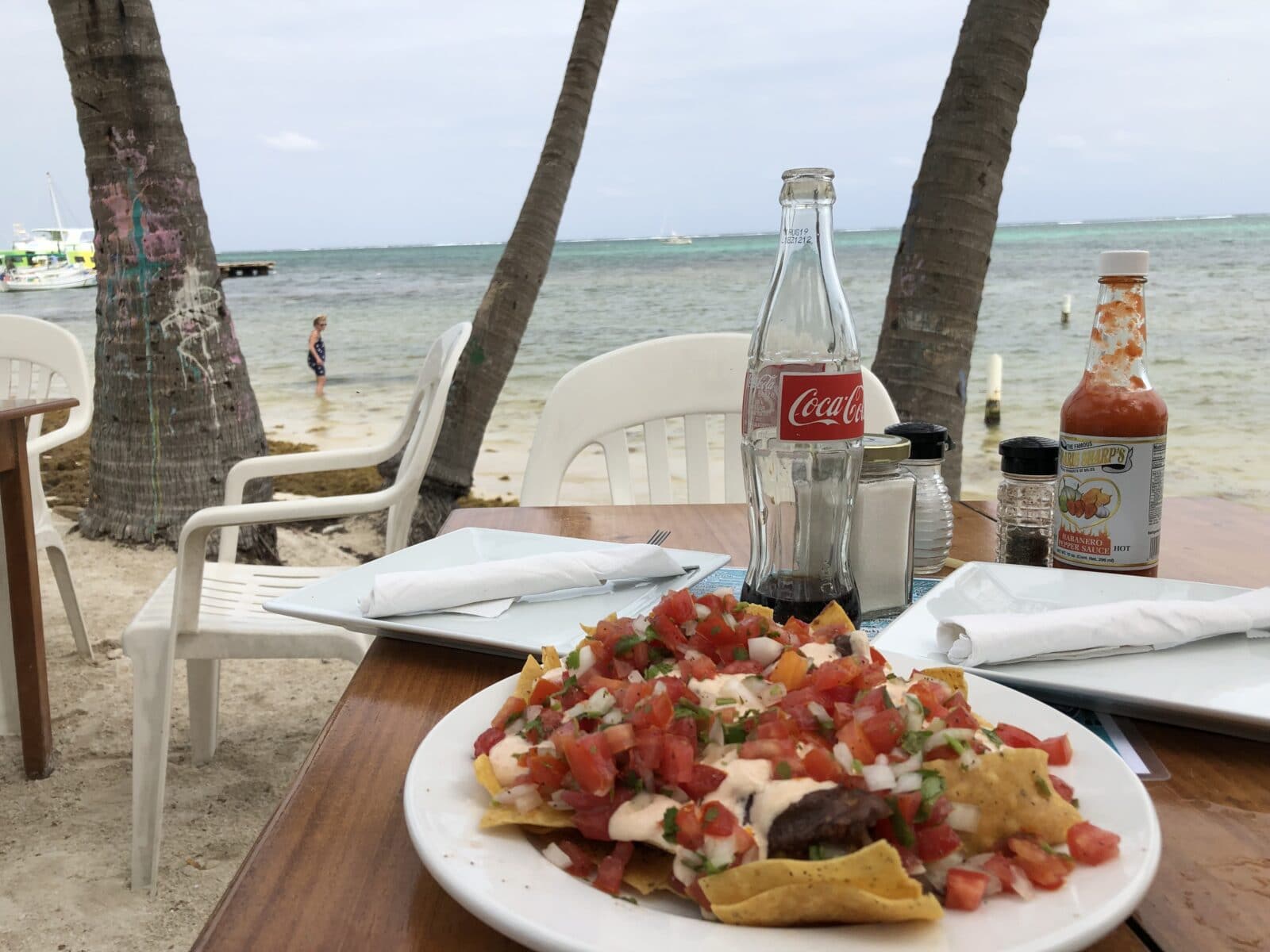
There is no dining inside Hol Chan Marine Reserve itself, so anyone booking snorkeling in Belize Barrier Reef tours eats beforehand or after in San Pedro town, where most boats depart from and return to. The waterfront strip near the pier has casual grill spots and beach bars suited to a quick bite before or after time in the water.
Long-running San Pedro spot for grilled fish and rice and beans, popular with tour groups at lunch. Order ahead if you are on a tight boat schedule, since midday can get busy.
Sits right on the water near the main dock, good for a relaxed breakfast before an early snorkeling in Belize Barrier Reef tour. Ceviche and coconut shrimp are the draws, service slows when cruise crowds hit town.
Casual open-air bar with burgers, tacos and a happy hour crowd in late afternoon. A solid low-key stop after returning from the reef, though live music nights get loud.
Cluster of food trucks and a bar in a garden setting, good for a fast, cheap meal before heading to the boat launch. Lines form around lunchtime when tours overlap.
Family-run spot serving fresh fish plates and Belizean sides a short stroll from most dive shops. Quieter than the pier-front places, good for an easy pre-tour breakfast.
Everything you need to know for your journey
Hol Chan Marine Reserve, the main access point for snorkeling in Belize Barrier Reef, is open daily from 08:00 to 16:30.
Yes, there is a 10 USD per person conservation fee charged by Hol Chan Marine Reserve, separate from any boat tour price.
Arriving between 08:30 and 10:30 gives calmer water and less boat traffic before midday tour groups arrive at the reef.
Access is boat-only with a short ladder entry into the water, so mobility options are limited; contact your operator in advance to check what they can accommodate.
Spearfishing gear, coral or shell collecting tools, chemical sunscreen, and single-use plastics are among the items not allowed inside the marine reserve.
Yes, underwater cameras and GoPros are welcome on snorkeling in Belize Barrier Reef tours, though flash near coral is discouraged.
Wear a swimsuit under light, quick-dry clothing and use reef-safe sunscreen, since you will spend most of the trip in and out of the water.
Most full-day boat trips include bottled water and a light snack or lunch, often served on a nearby caye.
Boats depart from San Pedro Town Dock on Ambergris Caye or the Caye Caulker Water Taxi Dock, both reachable by water taxi or flight from Belize City.
Yes, children are generally welcome, though many operators set a minimum age around 6-8 years for open-water safety.
Most operators allow free cancellation up to 24 hours before departure with a full refund of the tour price, though the reserve's conservation fee is paid separately on site.
Shark Ray Alley, Secret Beach, and the Caye Caulker Split are all easy to combine with a day of snorkeling in Belize Barrier Reef waters.
Shallow sandbar area within Hol Chan Marine Reserve known for nurse sharks and stingrays.
Shallow, calm swimming spot on the west side of Ambergris Caye popular for sunset visits.
Golf-cart-friendly strip of shops, bars, and seaside walkways in San Pedro.
Narrow channel and popular swimming spot cut through the island by a hurricane.
Beachfront district with the widest range of hotels and guesthouses near San Pedro departure docks.
Laid-back island district with budget to mid-range guesthouses close to the water taxi dock.
Thatched-roof beachfront cabanas steps from the main San Pedro tour dock.
Small beachfront condo-style resort near central San Pedro.
Join thousands of happy travelers who have discovered this incredible experience
Book Your Experience Now