6 hr
Belize Barrier Reef 7-Stop Snorkeling Adventure
- Expert local guide
- Small group
- Skip-the-line access
- Free cancellation
Snorkeling in Belize Caye Caulker — Barrier Reef & Marine Reserve Access
Nurse sharks glide beneath you, eagle rays carve through channels
Compare fares, pick the fit — all bookings are mobile-voucher and eligible for free cancellation where shown.
6 hr
7 hr 30 min
5 hr 30 min
First-time visitors booking snorkeling in Belize Caye Caulker mostly choose between a short reef-only trip, a standard Hol Chan tour, and a longer multi-stop outing with sharks and lunch, all built on top of the $10 Hol Chan Marine Reserve entrance fee.
| Reef-Only Trip 3-3.5h, single-site |
Top pick Standard Hol Chan Tour 5.5-6h, multi-site |
Extended Multi-Stop Trip 6-7.5h, shark ray alley + lunch | |
|---|---|---|---|
| Duration | 3-3.5 hours | 5.5-6 hours | 6-7.5 hours |
| Sites visited | One reef cut near Caye Caulker | Hol Chan Cut, Coral Gardens, Shark Ray Alley | Hol Chan, Coral Gardens, Shark Ray Alley, extra stop |
| Reserve fee included | Separate, pay $10 on site | Often bundled with $10 reserve fee | Often bundled with $10 reserve fee |
| Meal included | — | — | ✓ Lunch on most trips |
| Group pace | Fast, minimal transit time | Balanced sightseeing and swim time | Relaxed, more surface time between stops |
| Wildlife variety | Reef fish and coral only | Reef fish, coral, nurse sharks, rays | Widest range plus extra marine life stop |
| Best for | Short attention spans, tight schedules | First-time snorkelers wanting full reserve | Full-day divers wanting sharks and lunch |
| See tickets & prices |
Verdict: Most first-timers should book the standard Hol Chan tour for the best mix of sites and time, while budget-minded or short-on-time visitors can pick the reef-only trip and those wanting shark encounters plus lunch should choose the extended multi-stop snorkeling in Belize Caye Caulker tour.
Worth it for marine life seekers
Snorkeling in Belize Caye Caulker delivers exceptional value when you weigh the $10 Hol Chan Marine Reserve fee against what swims beneath the surface. Multi-stop tours typically range $45–75 per person and grant access to one of the Caribbean's healthiest reef systems, where nurse sharks glide alongside southern stingrays in shallow, crystal-clear water. The marine reserve protects dense coral gardens teeming with parrotfish, angelfish, and sea turtles—biodiversity that rivals destinations charging double. Arriving during the 08:00–10:30 window ensures calmer seas and better underwater visibility before midday boat traffic stirs the sand. For snorkelers prioritizing marine encounters over beach lounging, the Barrier Reef tours justify the cost: you're in the water with sharks and rays within 20 minutes of departure, not chasing distant reefs. Beginners appreciate the shallow depths and guided support, while experienced snorkelers find the coral health and species density legitimately rewarding. If your Belize trip centers on underwater exploration rather than resort amenities, snorkeling in belize caye caulker tickets represent solid spend.
Bottom line: The marine life density and accessible Barrier Reef access make snorkeling in belize caye caulker tours a justified expense for underwater enthusiasts.
Snorkeling in Belize Caye Caulker at Hol Chan Marine Reserve is the better pick for budget-conscious, laid-back travelers, while Ambergris Caye suits those wanting more resort infrastructure around their reef tour. Both draw from the same Belize Barrier Reef system, but the base you choose shapes the whole trip.
|
Top pick Caye Caulker (Hol Chan) |
Ambergris Caye (San Pedro) | |
|---|---|---|
| Main draw | Hol Chan Marine Reserve cuts and sharks | Shark Ray Alley and Mexico Rocks |
| Getting there | Water taxi from Belize City, ~45 min | Water taxi from Belize City, ~75 min |
| Typical tour price | Around 45-70 USD per person | Around 60-90 USD per person |
| Vibe and pace | Slow, low-key island, sandy streets | Livelier town, more bars and shops |
| Reserve entrance fee | 10 USD Hol Chan fee, per person | 10 USD Hol Chan fee, per person |
| Boat ride to reef | 10-20 minutes | 20-30 minutes |
| Best suited for | Budget travelers, backpackers, divers | Families, resort-based travelers |
| Marine life density | Nurse sharks, rays, groupers, turtles | Rays, nurse sharks, larger tour groups |
| Island infrastructure | Golf carts only, few cars | More hotels, restaurants, nightlife |
| See tickets & prices |
Verdict: Caye Caulker wins on affordability and a quieter island base for the same Hol Chan snorkeling grounds, while Ambergris Caye suits travelers who want more amenities around their reef trip.
Hand-picked experiences loved by thousands of travelers
3 hours
Free Cancellation
Three-hour guided snorkeling expedition visiting three sites along the world's second-largest barrier reef
3 hours 30 minutes
Free Cancellation
Dive into Belize's marine paradise with nurse sharks, stingrays, and vibrant coral gardens
6 hours
Free Cancellation
Six-stop snorkeling journey through Belize's premier marine reserve with manatee encounters and shark swims
3 hours
Free Cancellation
Half-day snorkel trip exploring Belize's Barrier Reef with nurse sharks, rays, and vibrant coral gardens
4 hours 30 minutes
Free Cancellation
Swim with nurse sharks and rays, explore coral gardens, then sail into the sunset with ceviche and cocktails.
6 hours 30 minutes
Free Cancellation
Discover Belize's underwater wonders and unwind at a stunning Caribbean beach paradise
7 hours
Free Cancellation
Discover Belize's underwater paradise with reef snorkeling, shark encounters, and unlimited rum punch
6 hours
Free Cancellation
Six-hour private boat adventure exploring Belize's premier marine reserve with nurse sharks, rays, and vibrant coral reefs
Meet your guide at the Caye Caulker main dock, sign waivers, and get fitted with mask, snorkel, and fins
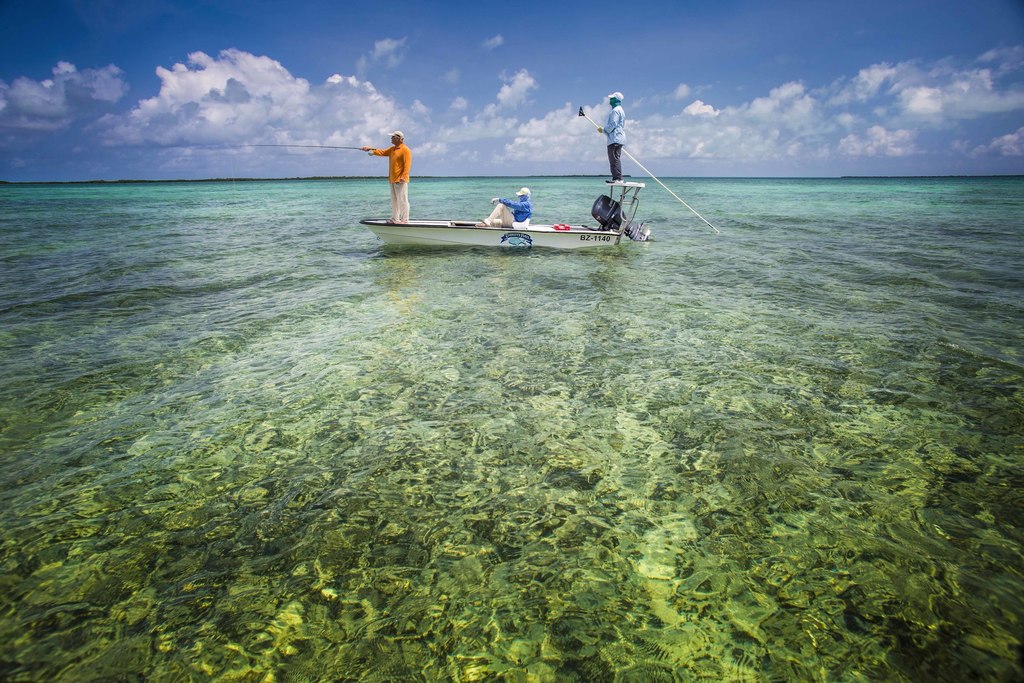
Cruise out over the shallow flats toward Hol Chan Marine Reserve entry point
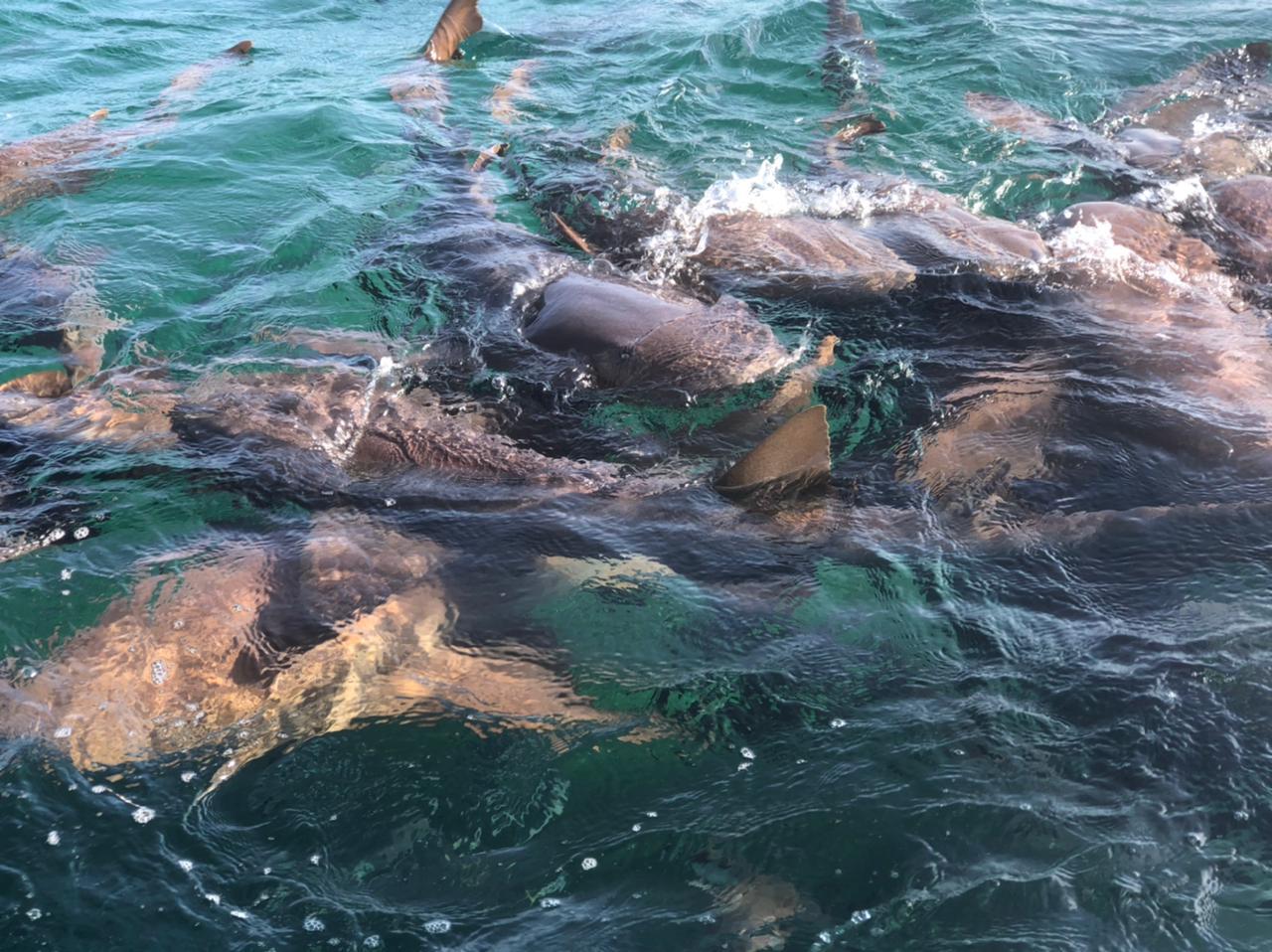
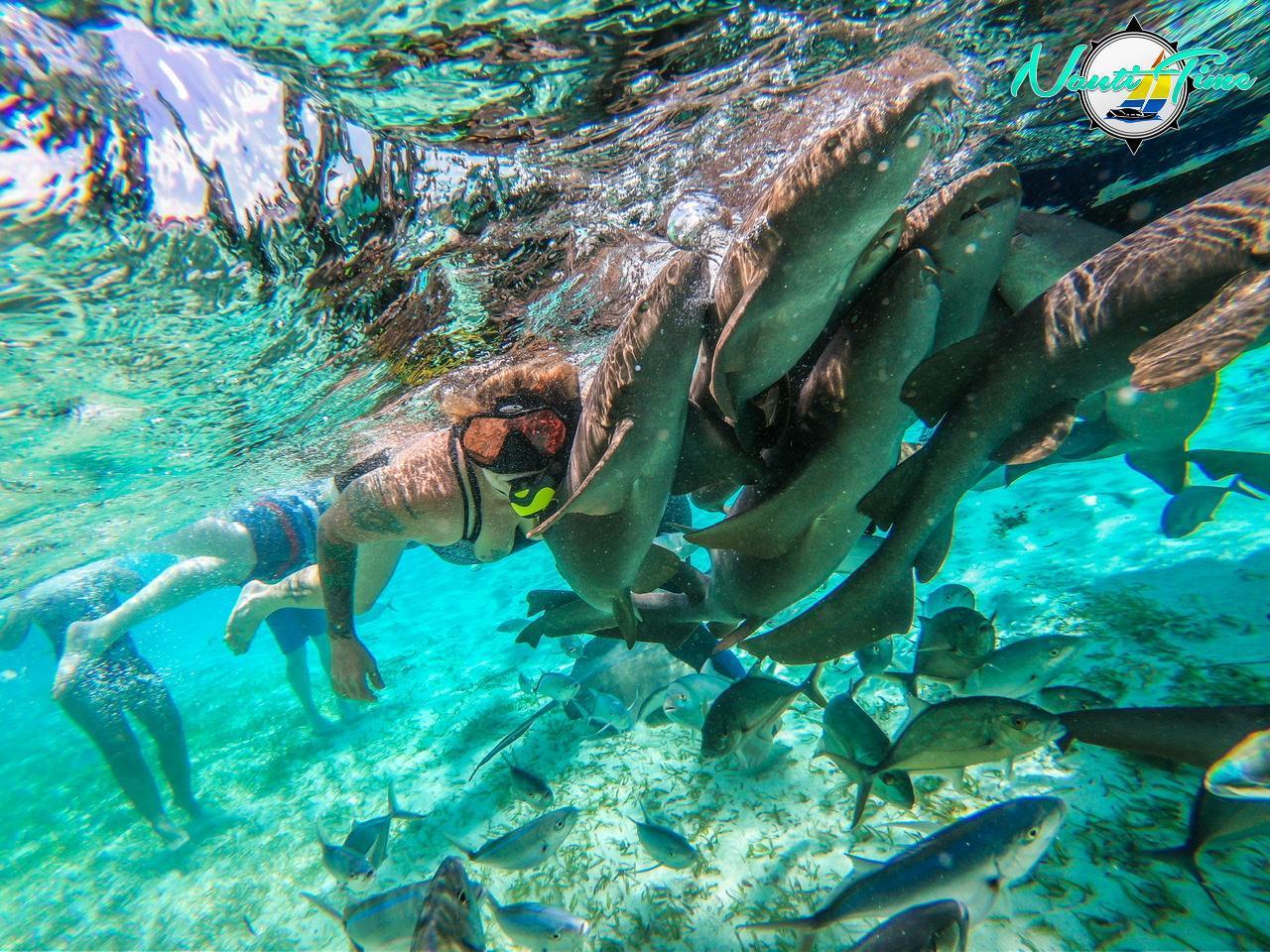
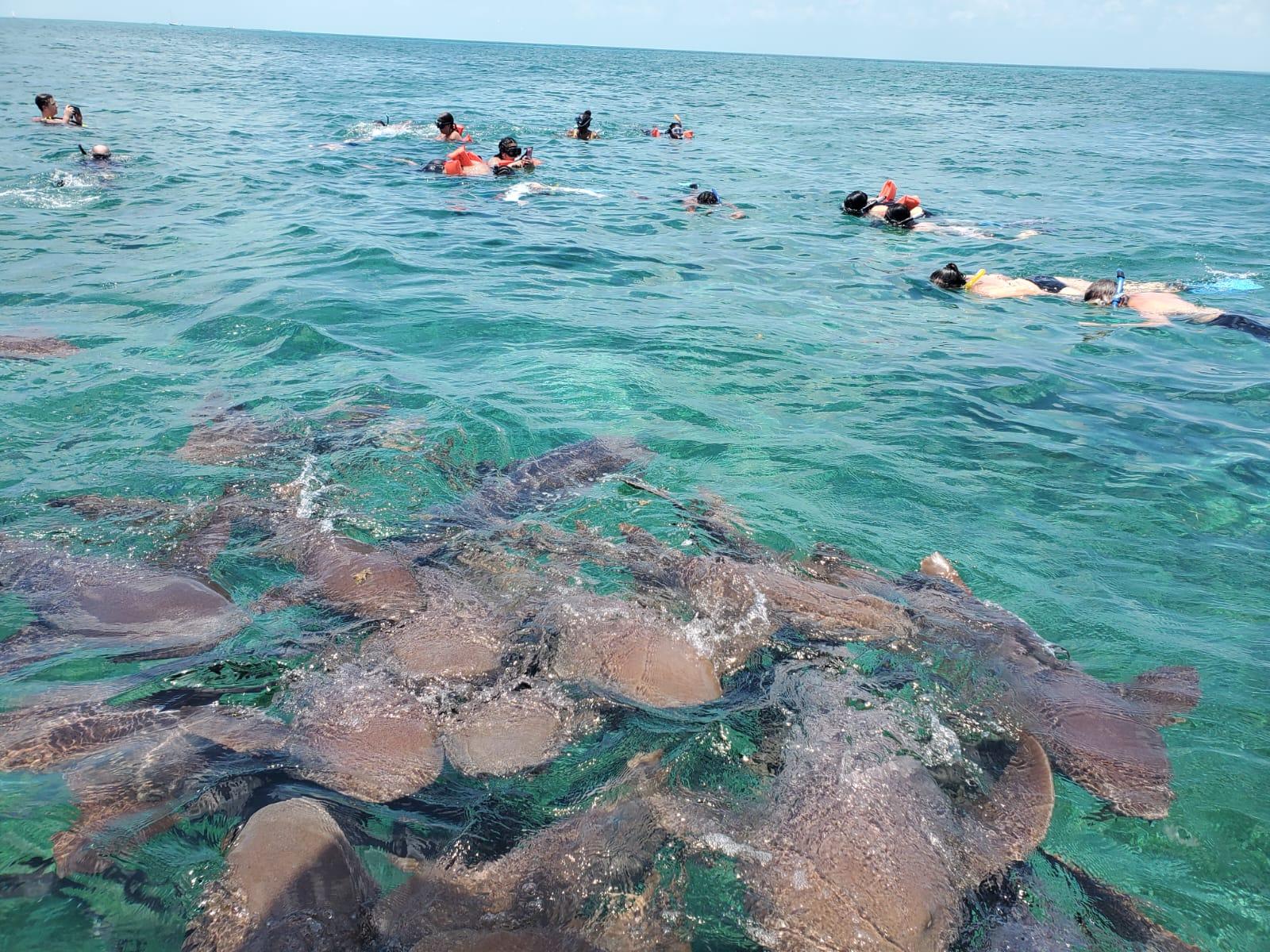
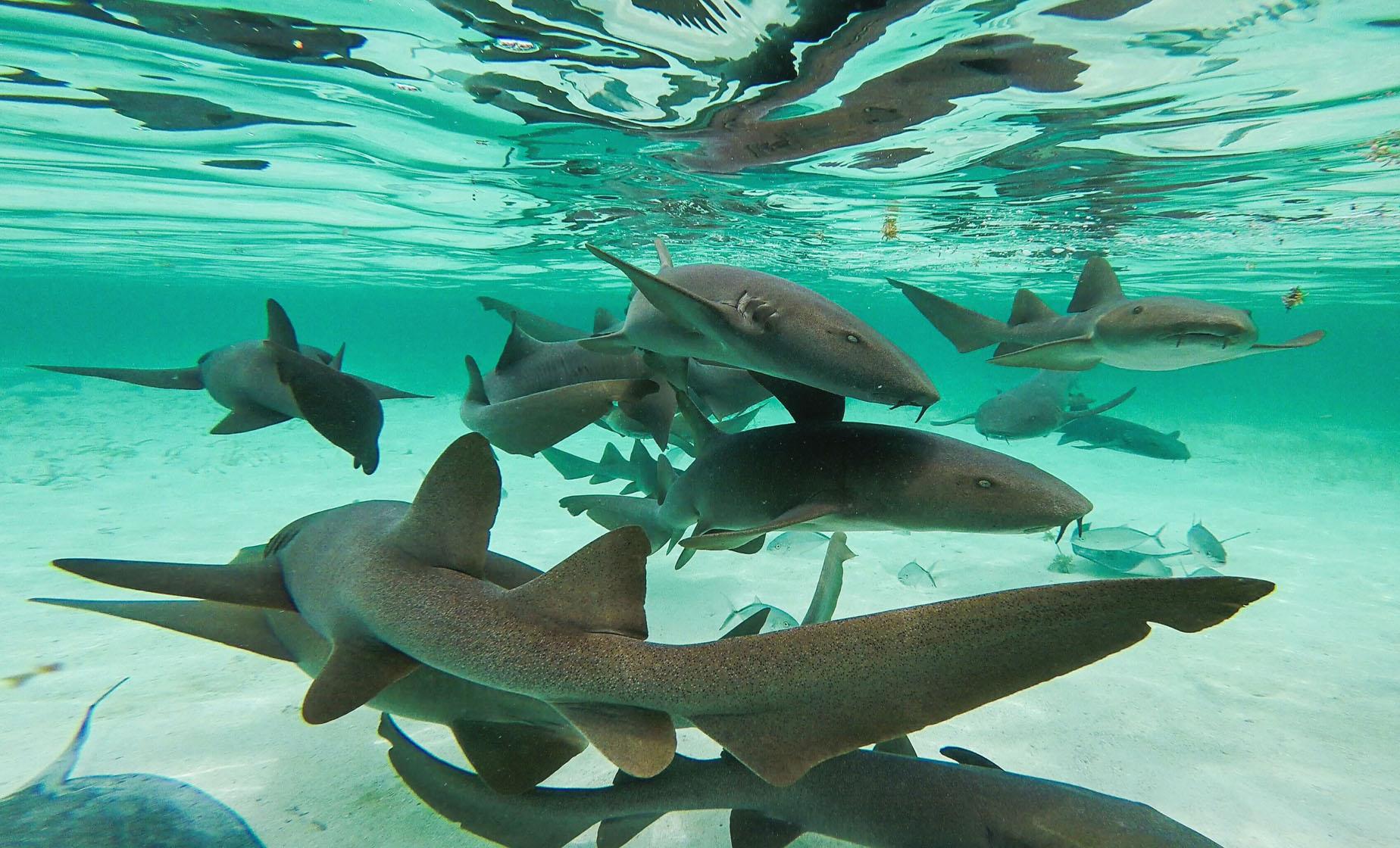
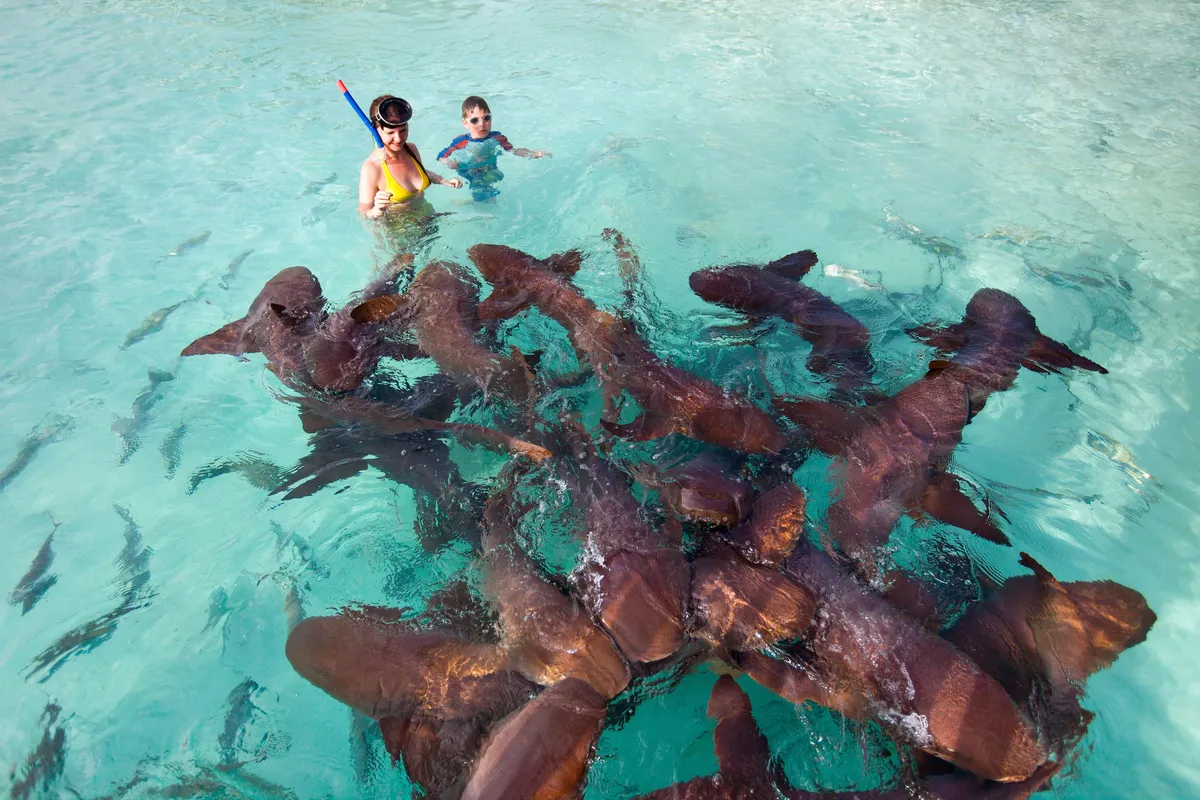
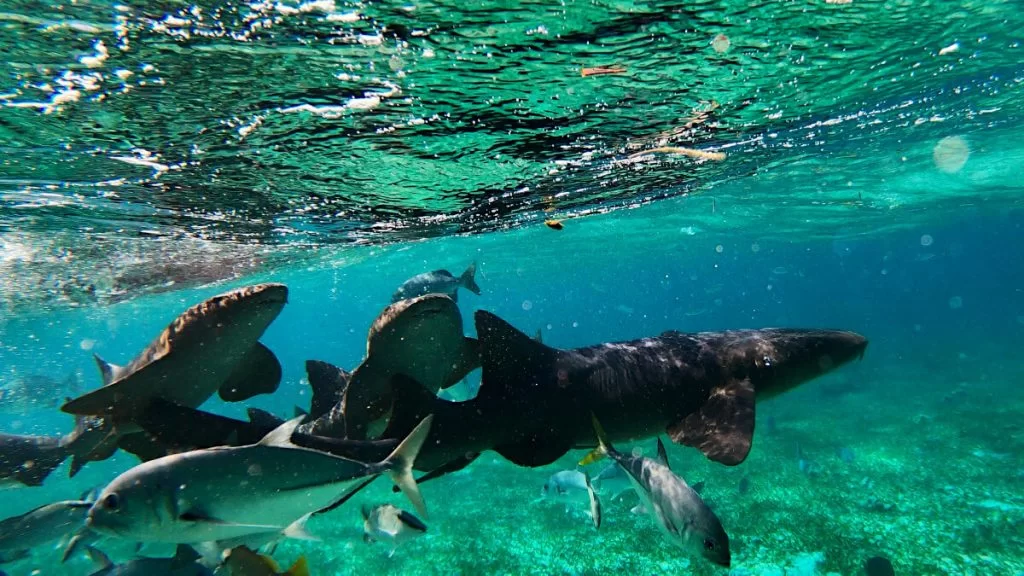
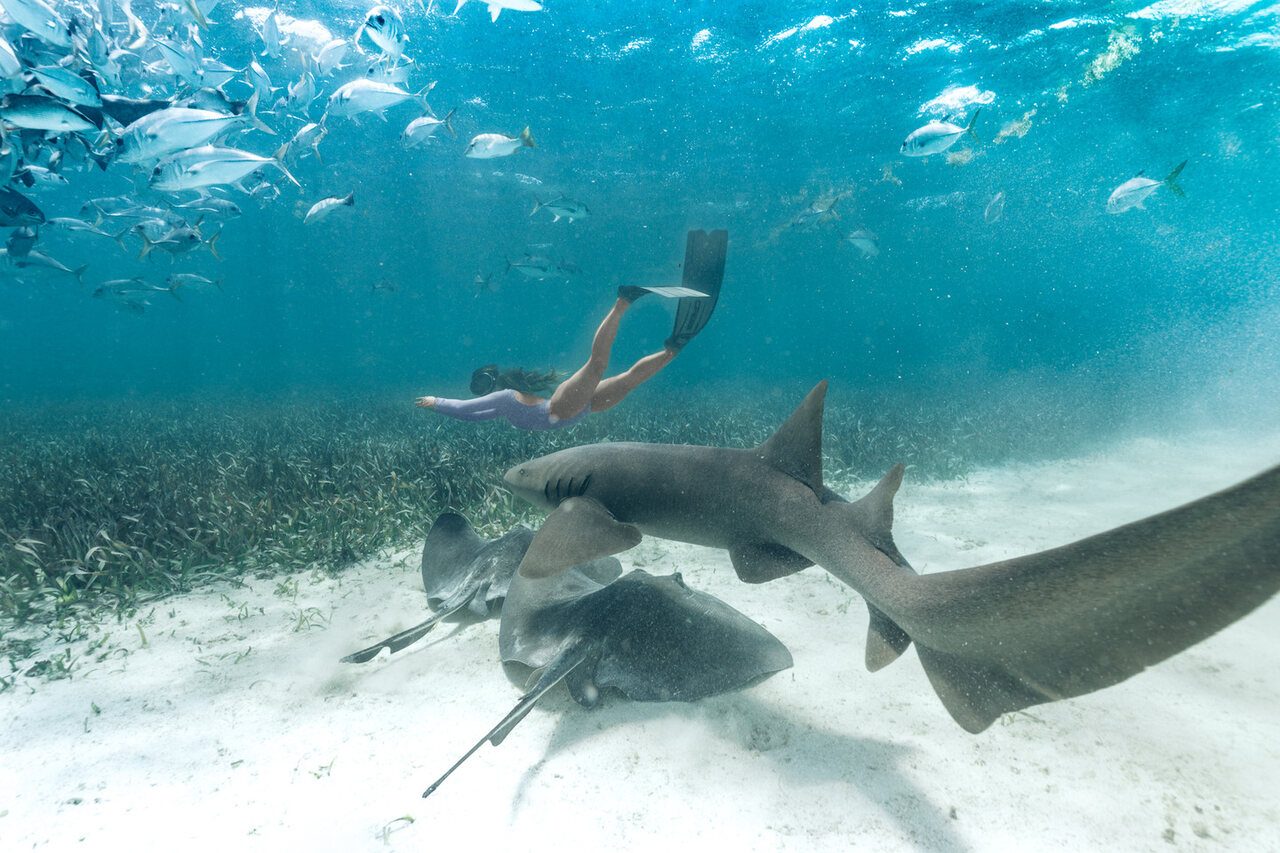
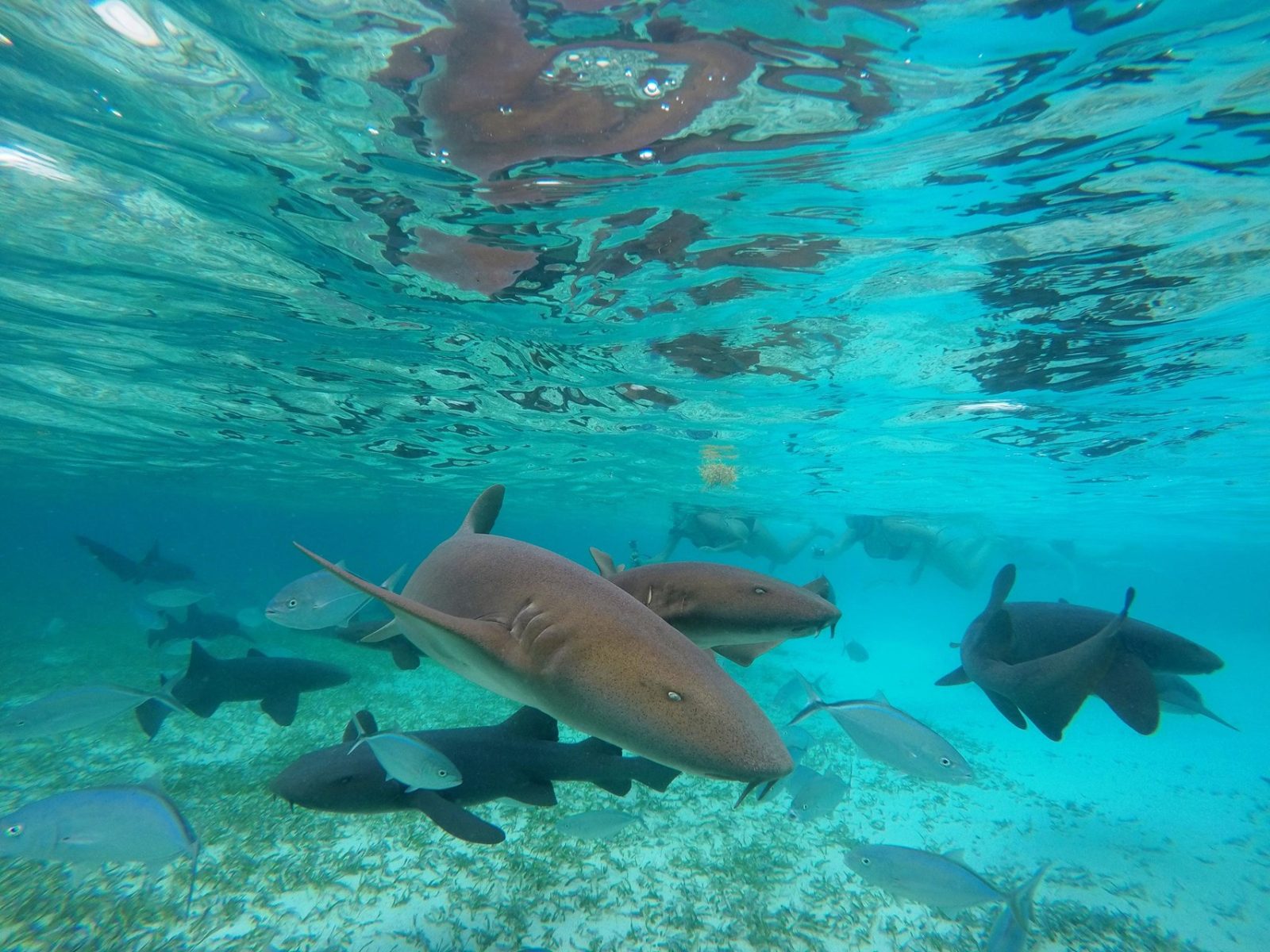
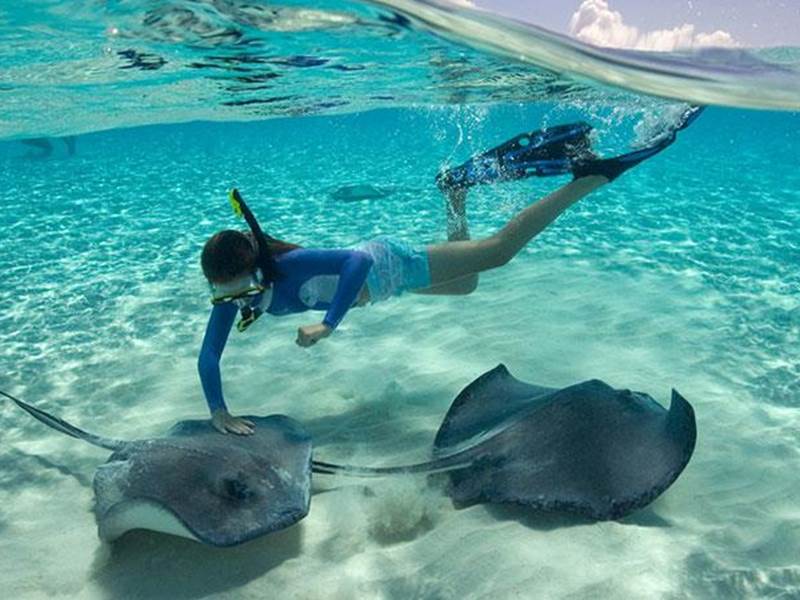
Snorkel among nurse sharks and southern stingrays in shallow, sandy-bottom water
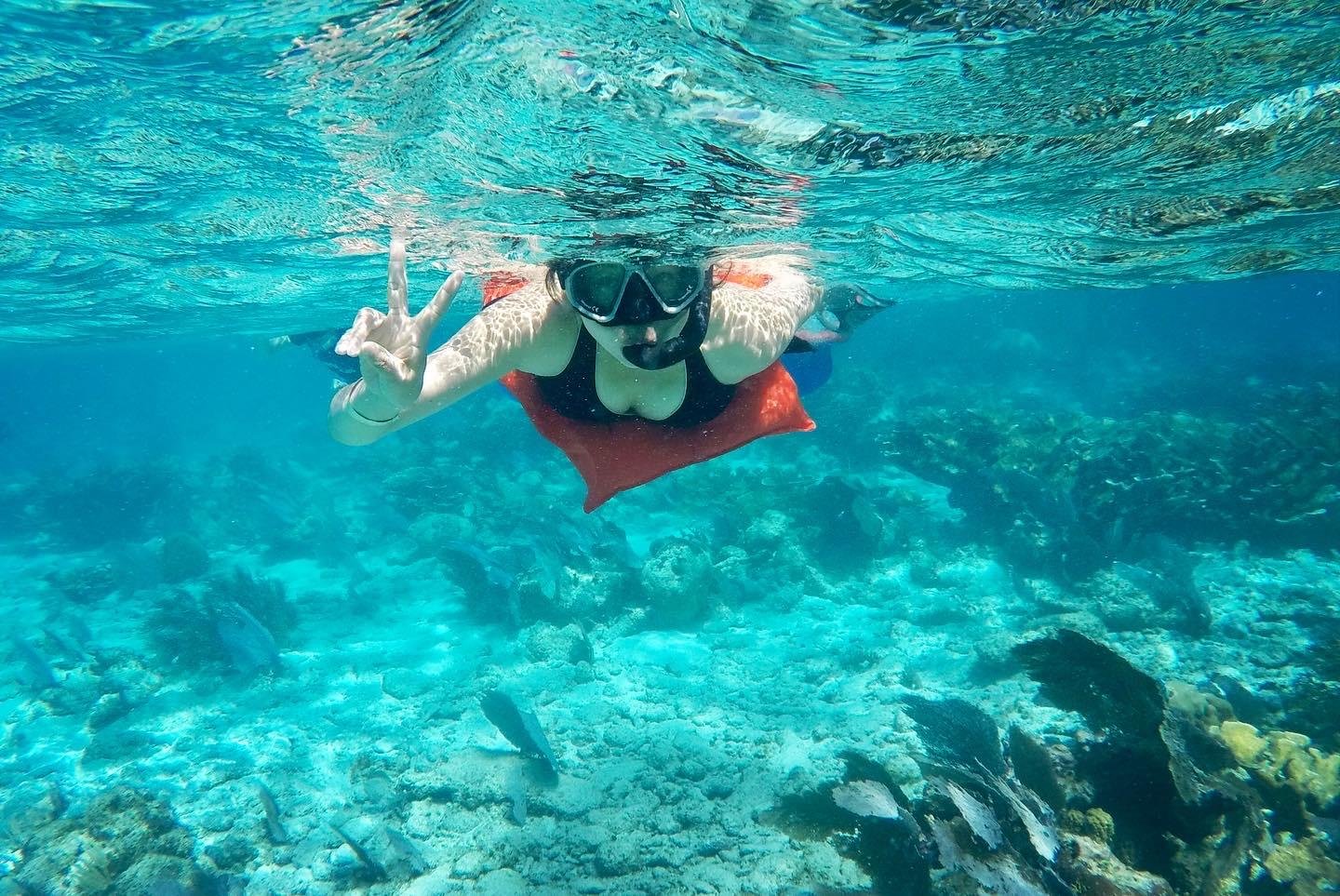
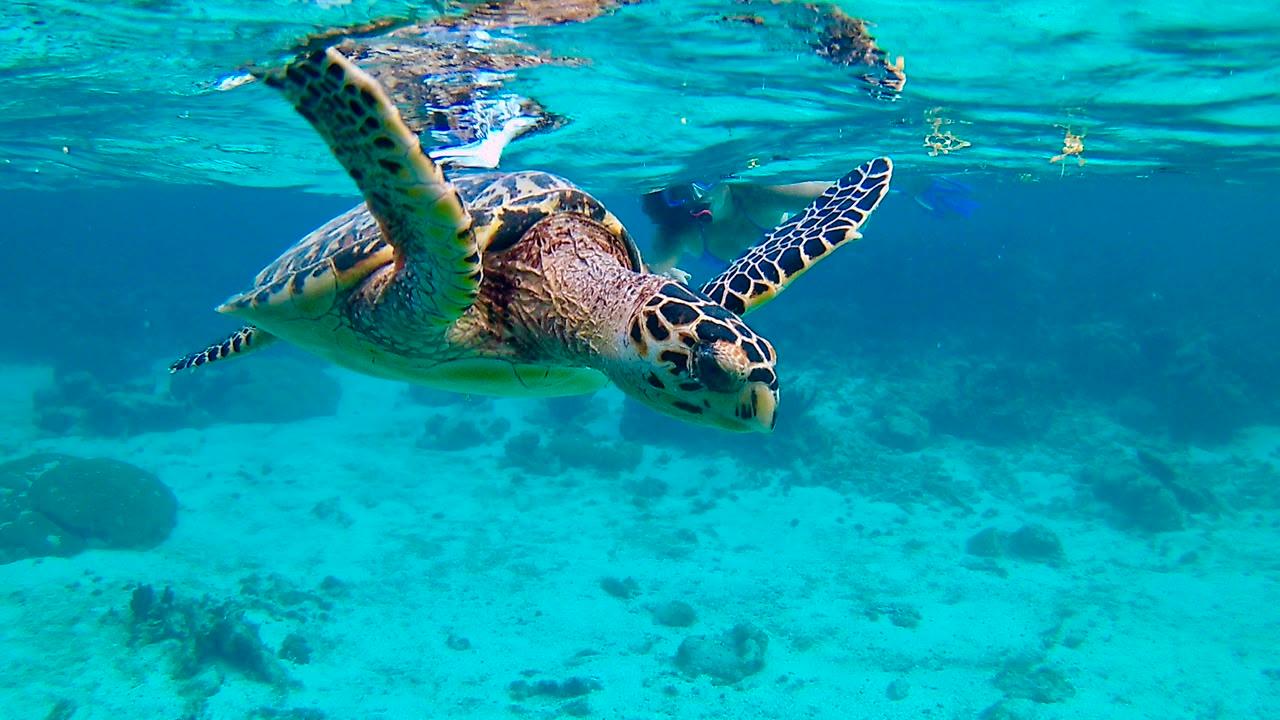
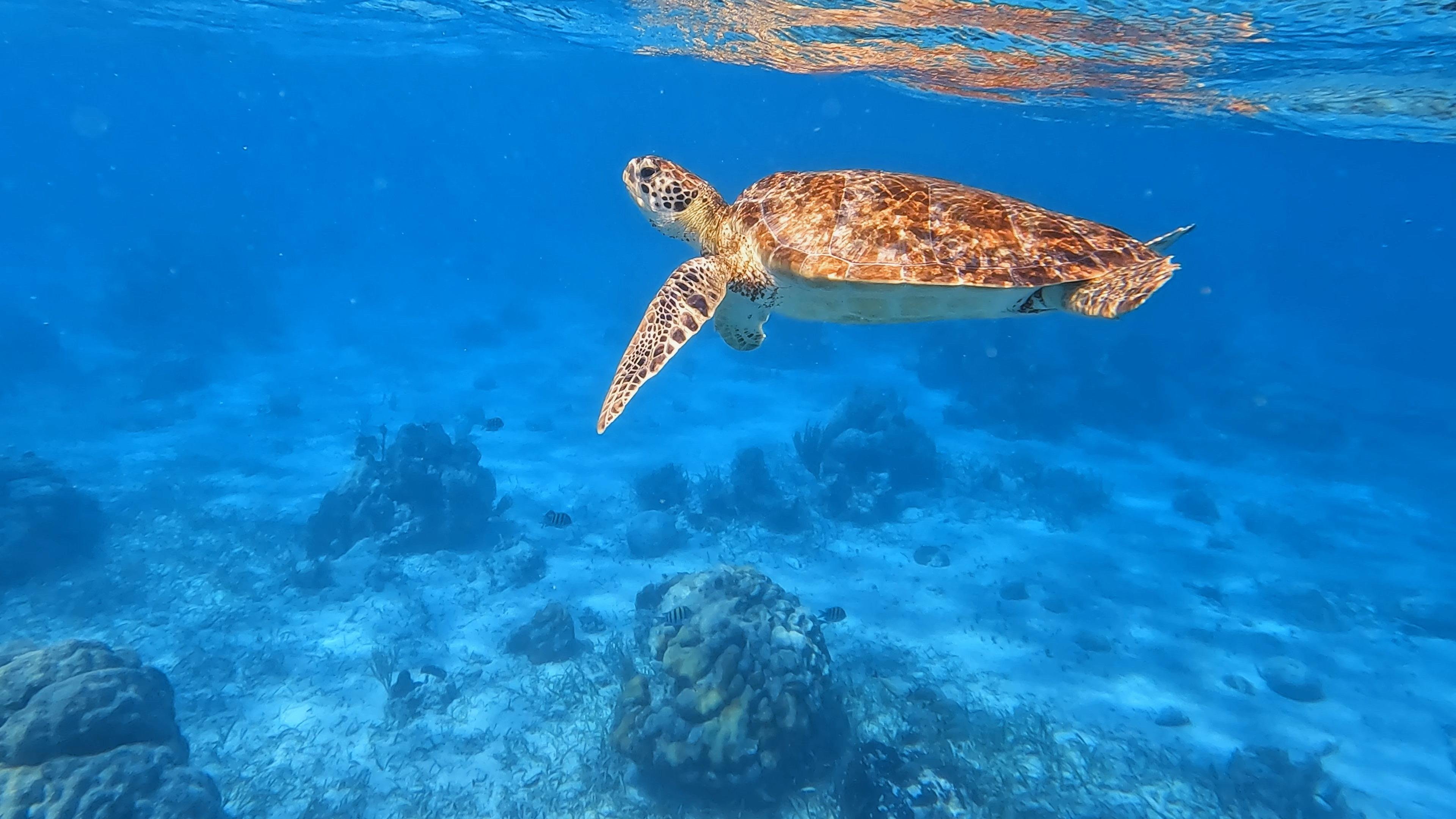
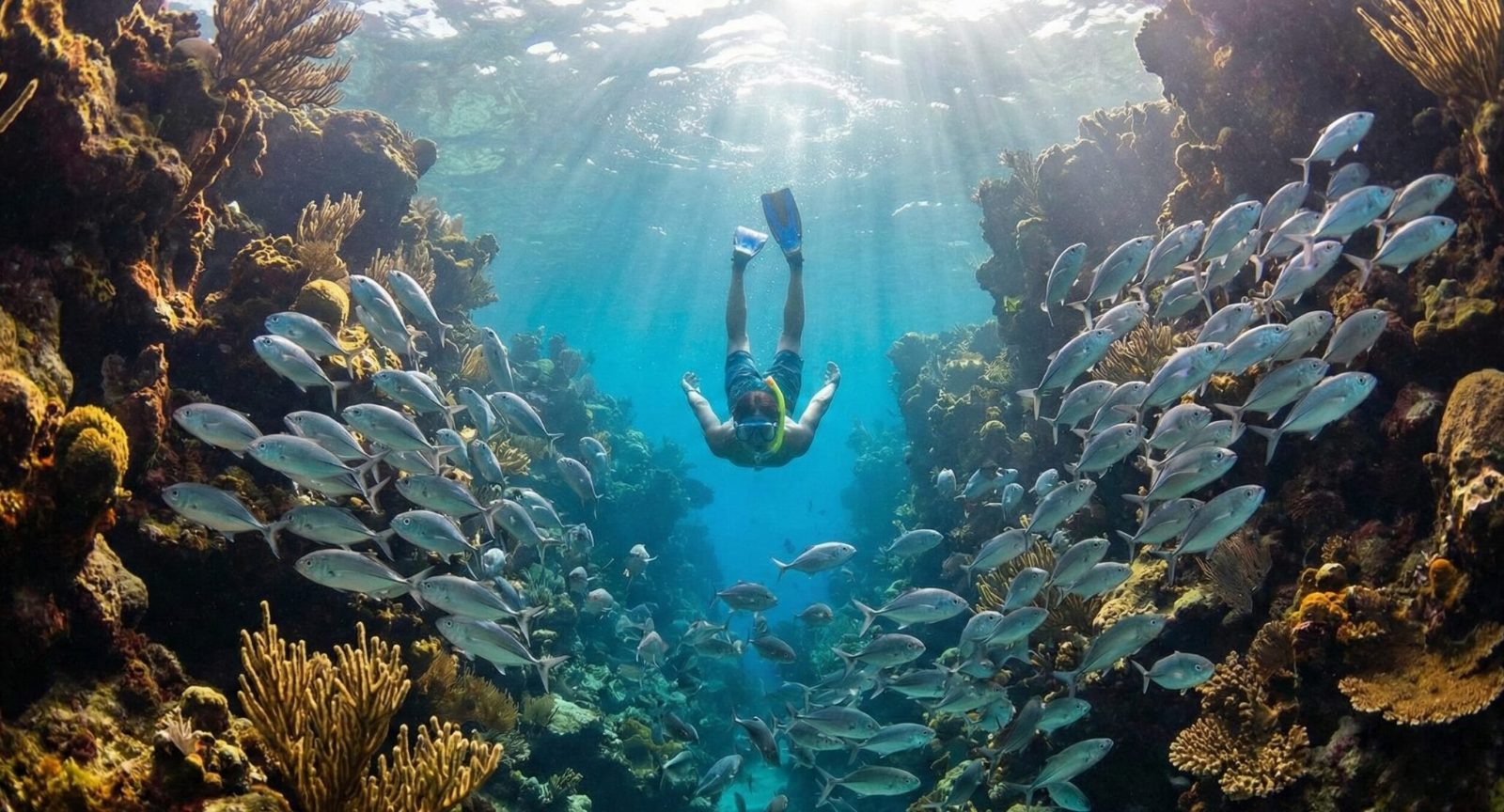
Follow the guide through the coral-walled channel to see parrotfish, groupers, and sea turtles
Head back to the dock with time to rinse gear and warm up
A shallow, sandy-bottom site inside Hol Chan Marine Reserve where nurse sharks and southern stingrays gather in water often only 2-3 meters deep. It became a snorkeling stop after fishermen historically cleaned their catch here, drawing sharks and rays to the area.
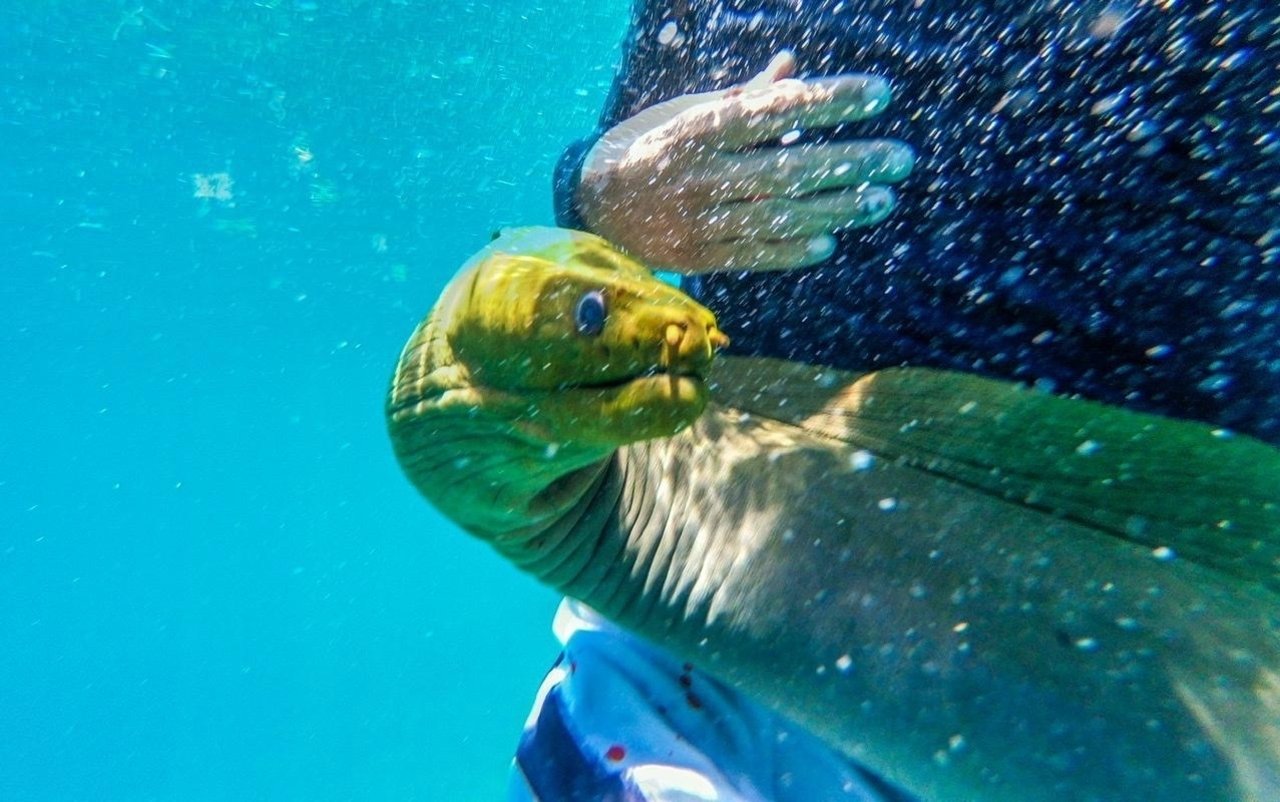
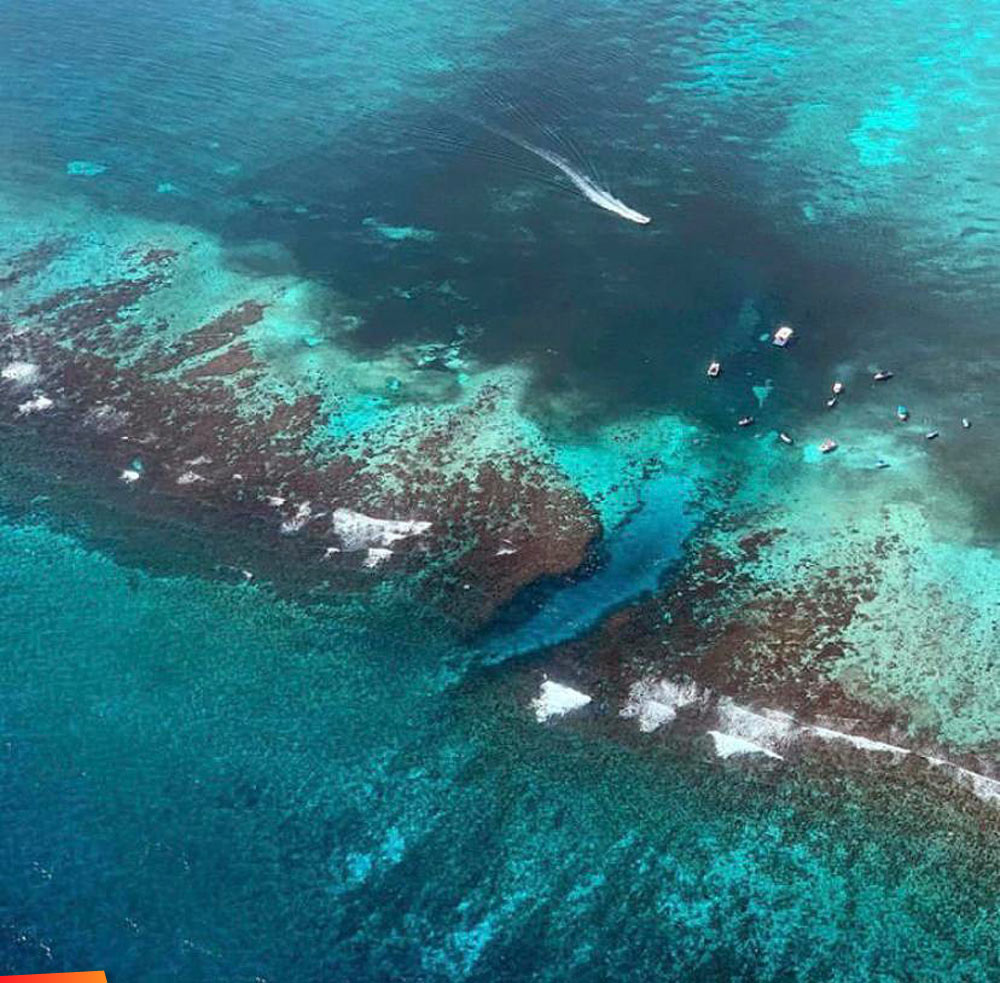
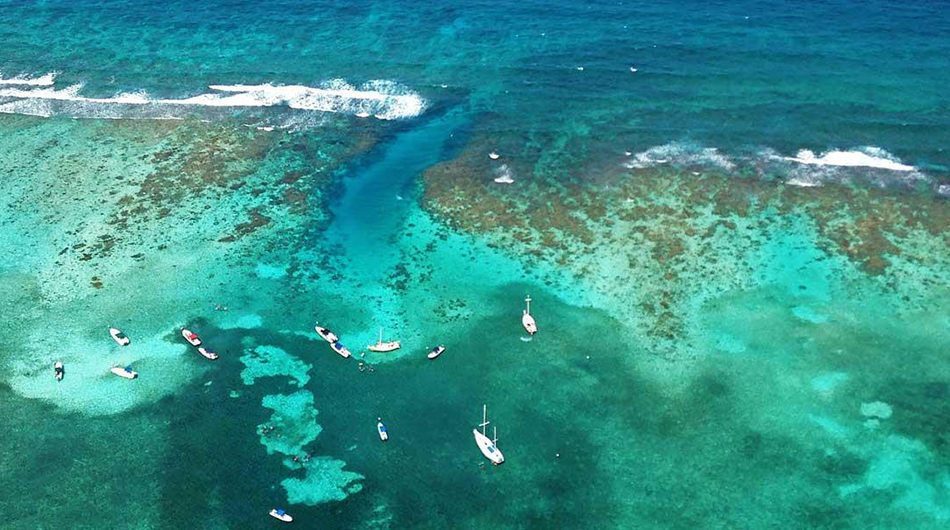
A narrow, coral-walled channel roughly 30 meters wide cut through the reef, giving its name to the reserve ("Hol Chan" means "little channel" in Maya). Strong but manageable currents push snorkelers past groupers, parrotfish, and green moray eels hiding in coral crevices.
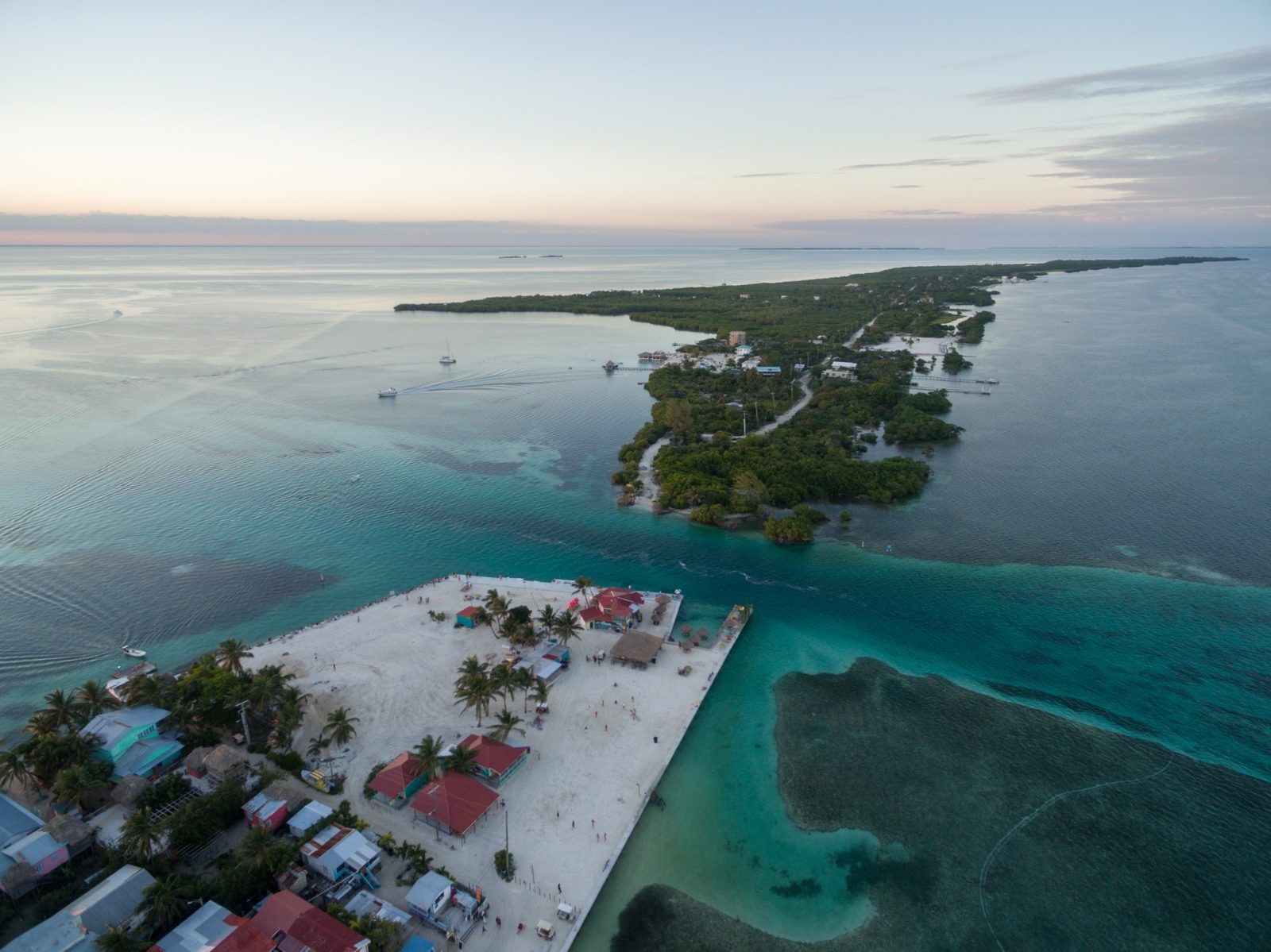
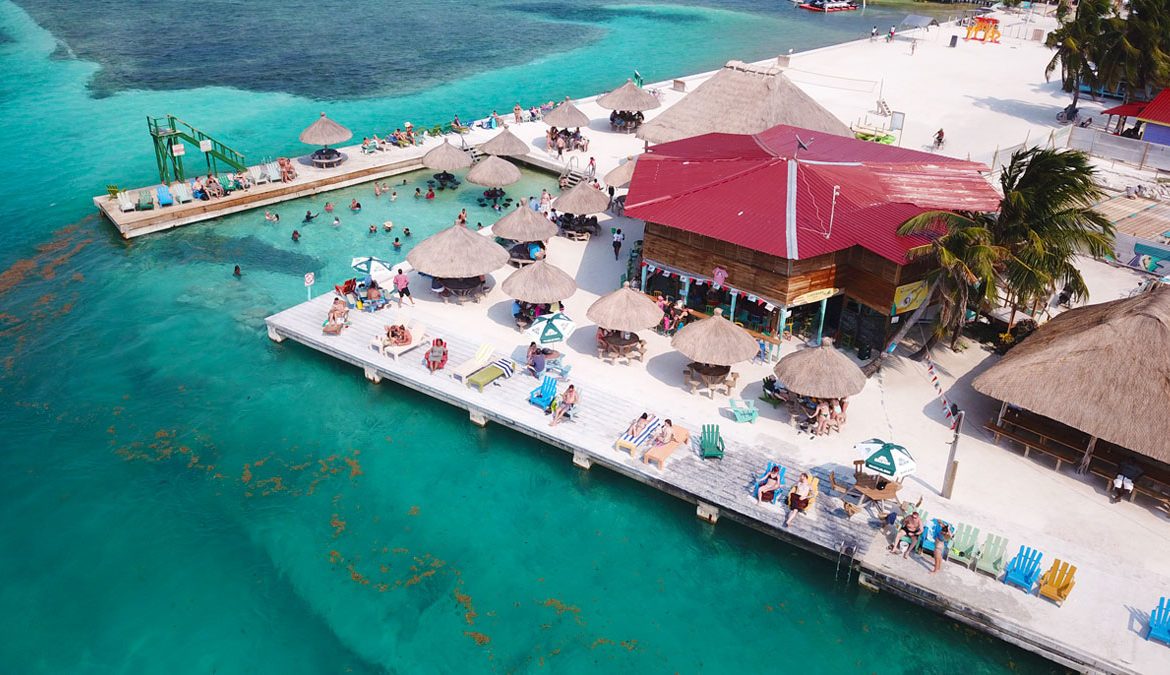
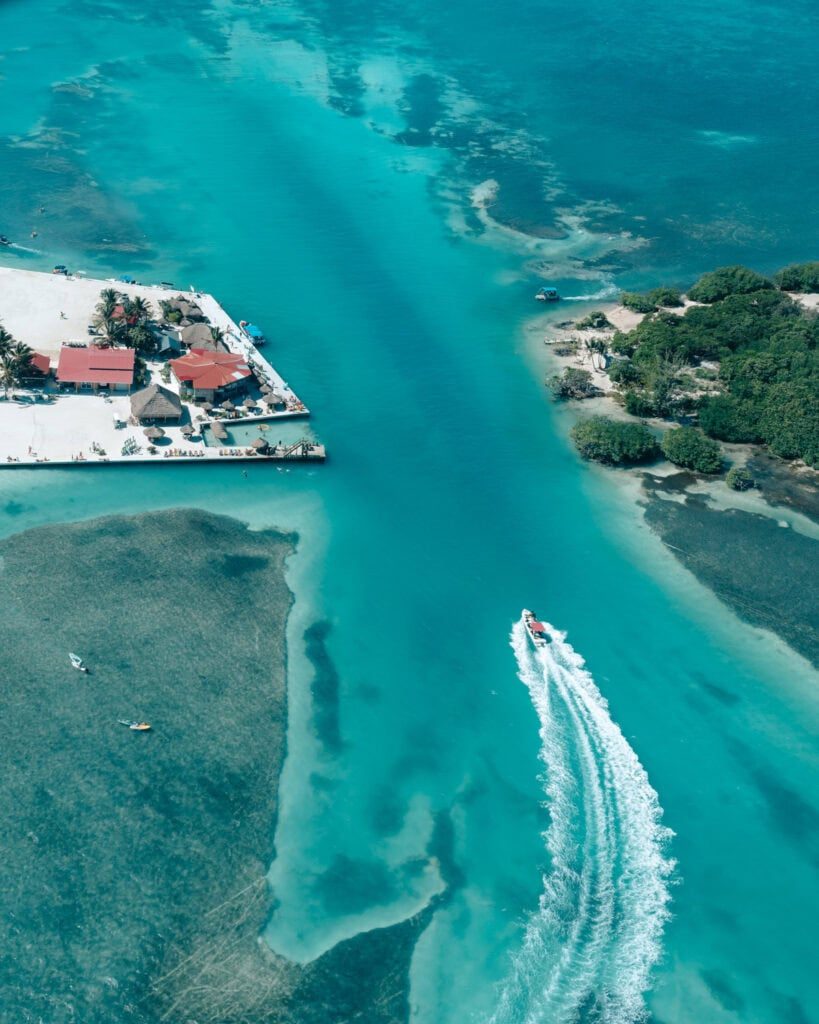
A narrow water channel at the north end of Caye Caulker formed when Hurricane Hattie tore through the island in 1961. It is now a popular swimming and sunset spot bordering the marine reserve boat routes.
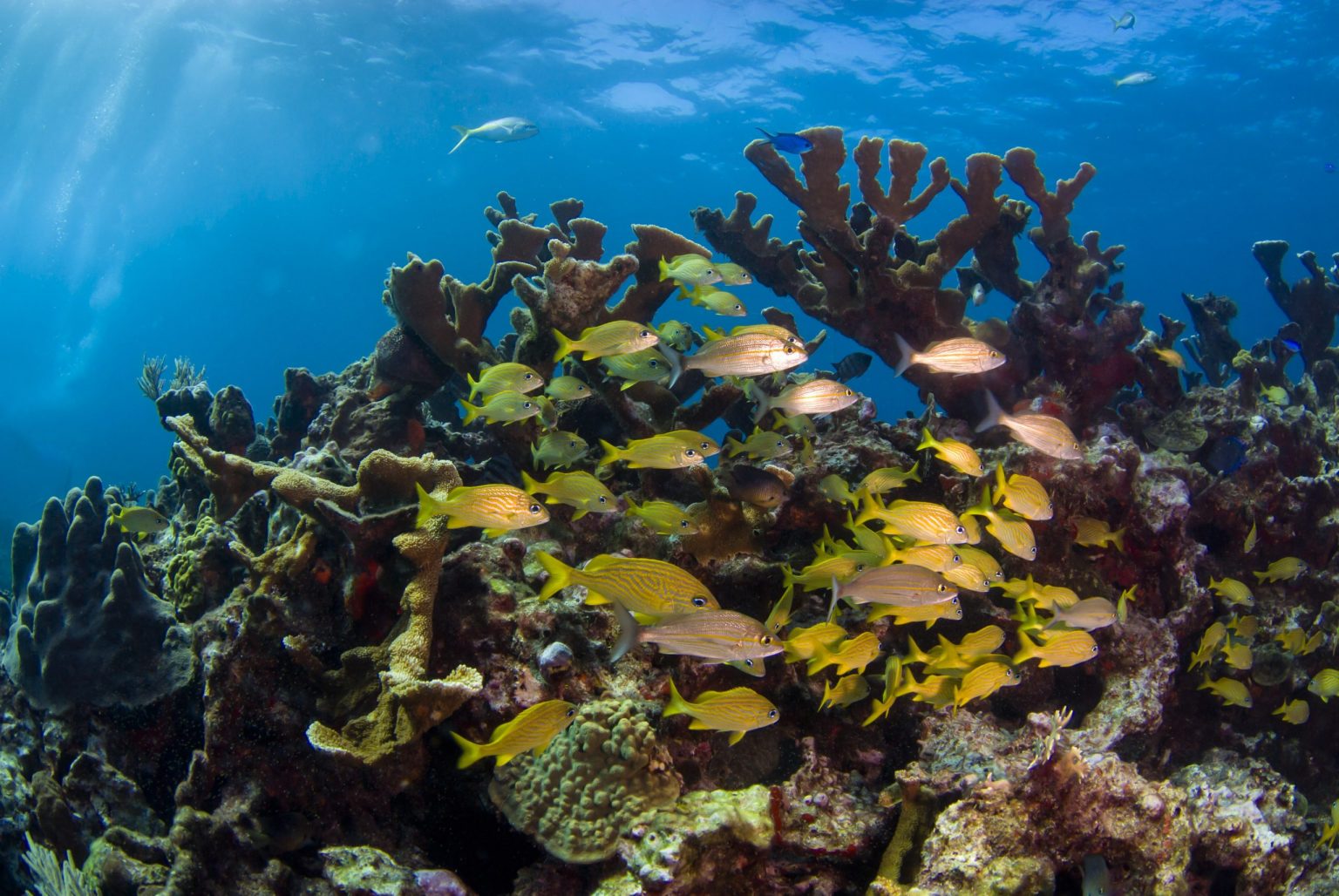
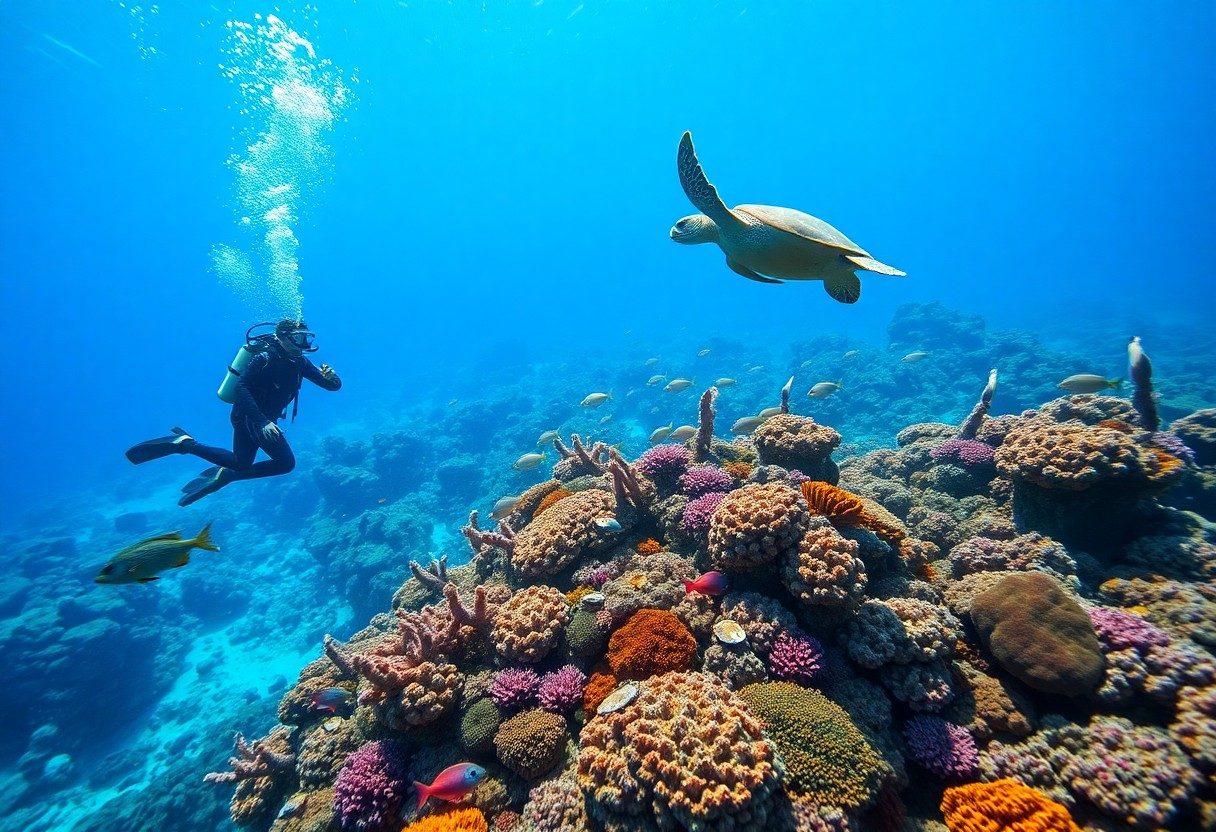
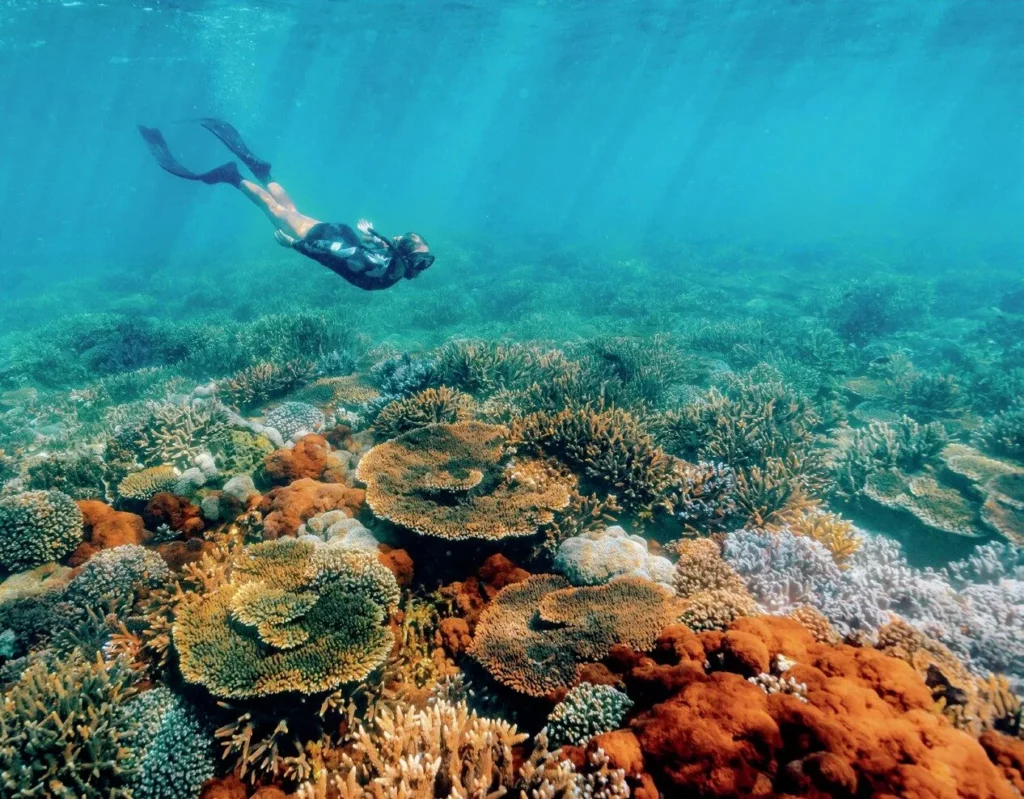
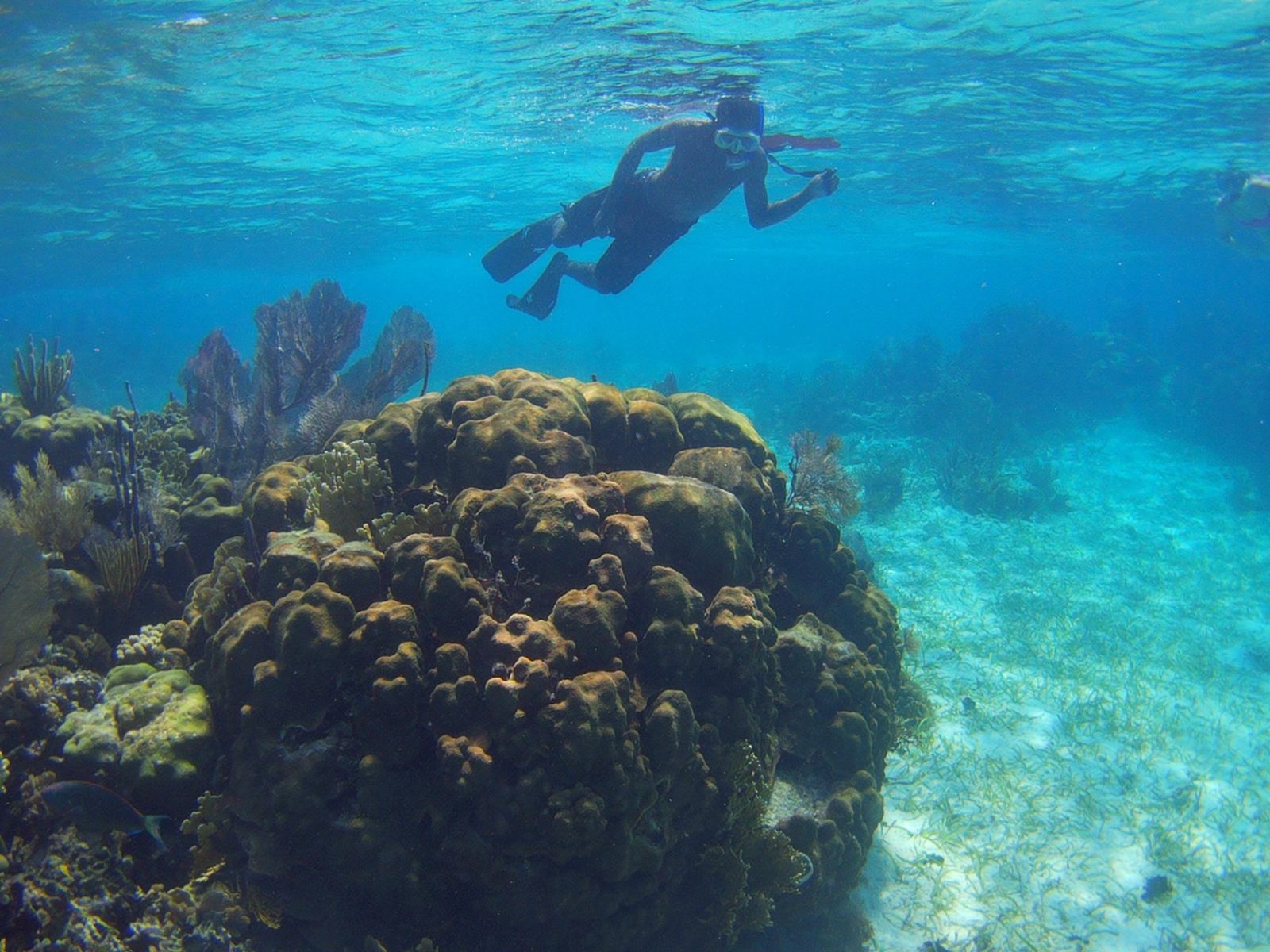
A dense cluster of elkhorn and brain coral formations inside Hol Chan Marine Reserve, part of the wider Belize Barrier Reef system recognized by UNESCO. Visibility here often exceeds 15 meters on calm mornings.
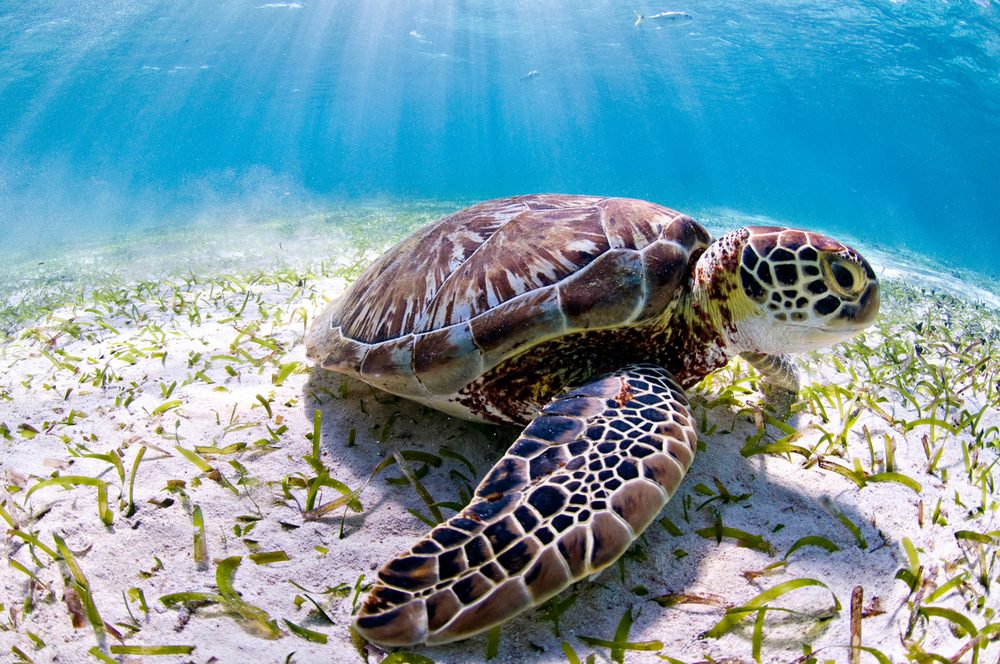
Shallow seagrass beds near the reserve boundary where green sea turtles are frequently spotted grazing. Guides often slow the boat here to let snorkelers observe turtles without disturbing them.
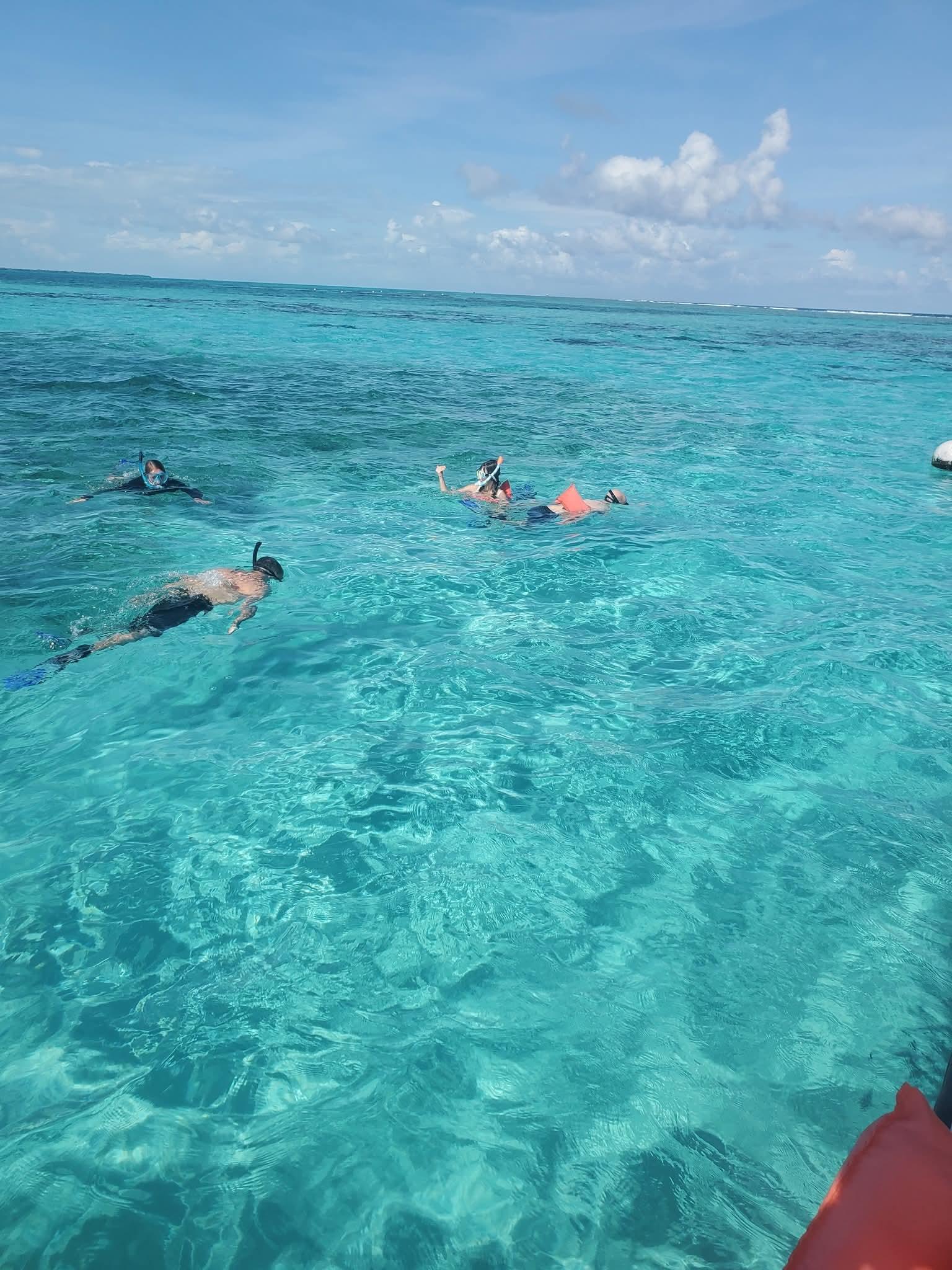
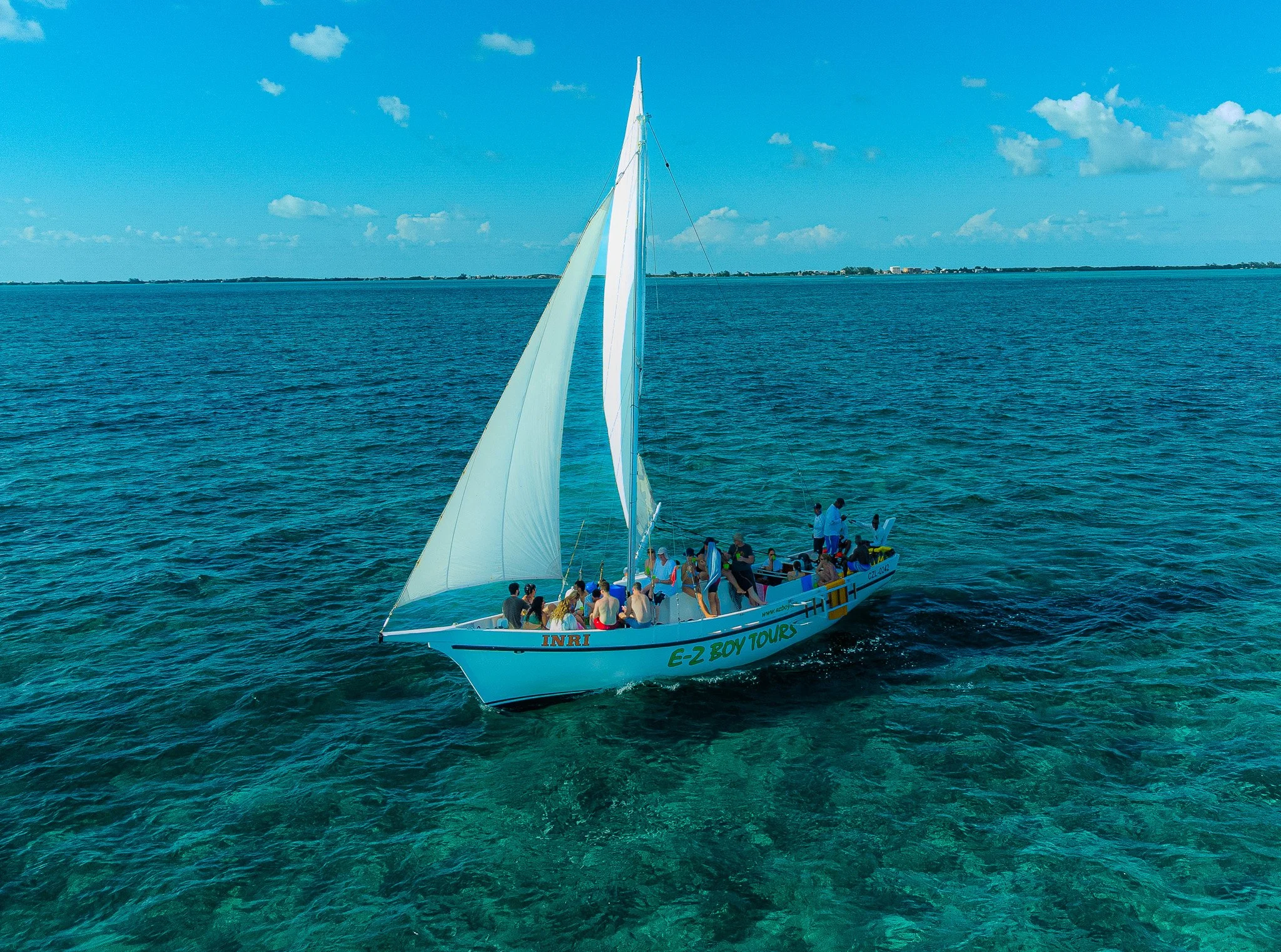
You board a fiberglass skiff at eight-fifteen, joining seven other snorkelers for the crossing to Hol Chan. The captain cuts the engine at the reserve boundary, where a mooring buoy marks the entrance to the Cut. You slip into bathwater-warm water—visibility exceeds twenty meters.
Below, a brain coral the size of a compact car anchors the reef wall. Sergeant majors dart through staghorn branches; a spotted eagle ray glides past at arm's length, its wingspan matching your height.
The boat repositions to Shark Ray Alley. You wade into chest-deep water as nurse sharks circle your legs, their sandpaper skin brushing your calves. A southern stingray excavates the sand bed, hunting mollusks. Your guide lifts a conch shell, demonstrating the animal's muscular foot before returning it to the substrate. The third stop brings you to a coral garden off Caye Chapel, where elkhorn formations create swim-through passages. Stoplight parrotfish crunch dead coral, their grinding audible underwater. You surface after forty minutes, salt-crusted and sun-dazed, as the boat turns back toward Caye Caulker's palm line.
All the details about your upcoming adventure in one place
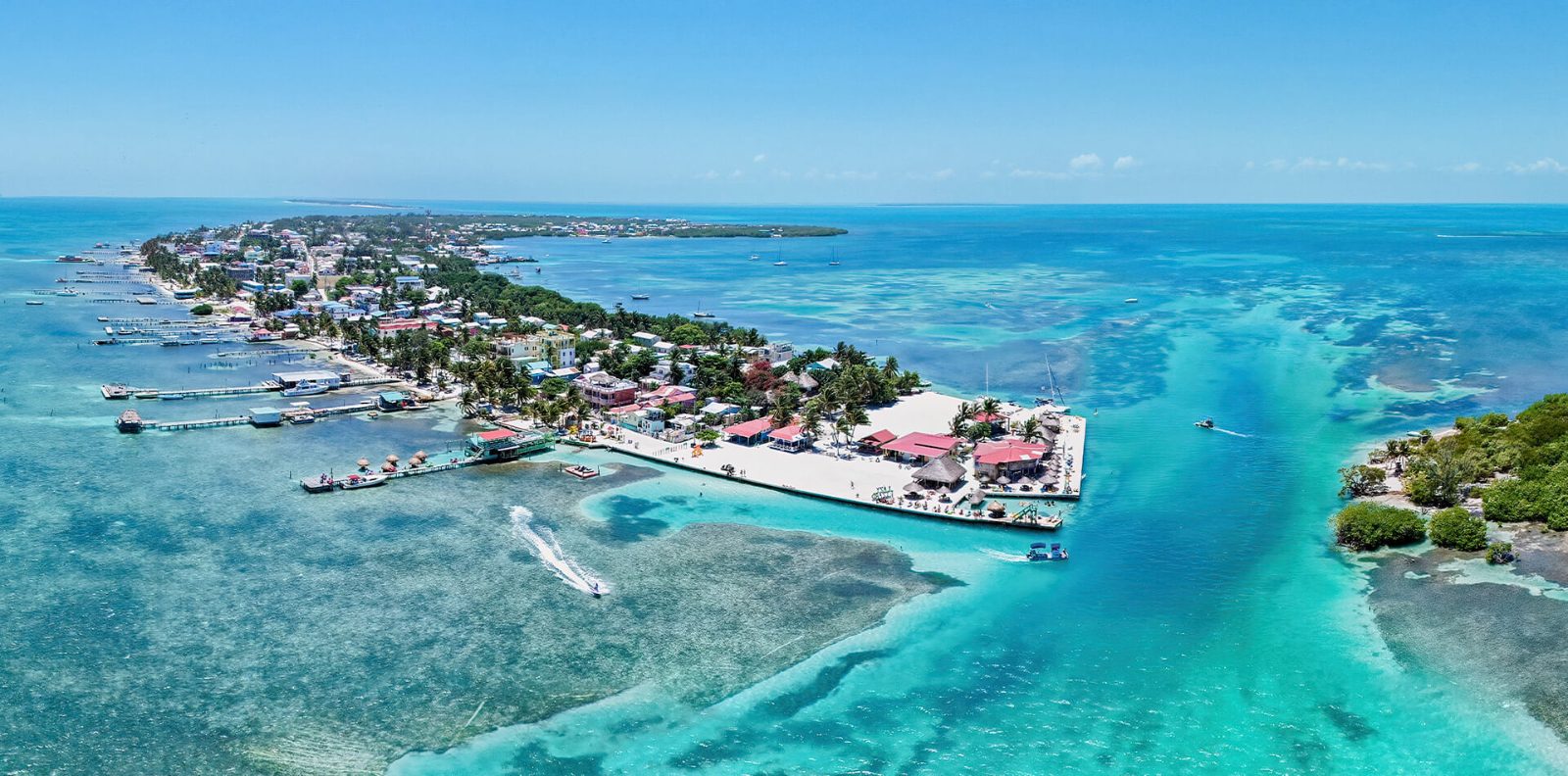
The Belize Barrier Reef stretches 300 kilometers along the Central American coast, second in scale only to Australia's Great Barrier Reef. Off Caye Caulker's western shore, the reef wall drops from knee-deep shallows to abyssal trenches in less than a kilometer.
Charles Darwin charted these waters in 1842, documenting the atoll formations that would inform his subsidence theory. UNESCO designated the reserve system in 1996, protecting 96,300 hectares of coral, seagrass flats, and mangrove channels.
Hol Chan Marine Reserve occupies seven square kilometers of this ribbon ecosystem. Established in 1987 as Belize's first marine protected area, the reserve maintains strict zoning: core snorkeling channels see daily visitor traffic, while buffer zones remain closed to human entry. The Cut—a natural break in the reef crest—funnels nutrient-rich water through narrow channels, feeding elkhorn coral stands and schooling grunts. Nurse sharks and southern stingrays congregate in Shark Ray Alley, a shallow sand flat where fishermen once cleaned their catch. The animals learned to associate boat engines with food; today, dozens gather when tour vessels arrive.
Snorkeling in Belize Caye Caulker centers on shallow-water encounters rather than deep dives. Most coral heads sit between two and four meters below the surface, accessible without technical equipment. Brain coral colonies exceed three meters in diameter; some specimens predate European contact. Staghorn thickets shelter stoplight parrotfish and queen angelfish. The Belize Audubon Society enforces the ten-dollar conservation fee, funding ranger patrols and mooring-buoy maintenance.
Caye Caulker's compact geography—a five-kilometer sand spit bisected by a hurricane channel—places every reef zone within a fifteen-minute boat ride. Tour operators depart from the village's eastern docks between eight and ten-thirty, when morning light penetrates the water column and wind chop remains minimal. Multi-stop itineraries combine Hol Chan's reef wall with Shark Ray Alley's sand flats and coral garden sites near Caye Chapel. The barrier reef tour industry employs over two hundred islanders, making marine tourism the primary economic driver after lobster fishing.
The Cut funnels nutrient-rich water through narrow channels, feeding elkhorn coral stands and schooling grunts.
Wear a swimsuit under light, quick-dry clothing since you board the boat straight from the Caye Caulker dock. Reef-safe, biodegradable sunscreen is recommended, and a rash guard helps with sun exposure during the ride out to Hol Chan Marine Reserve and Shark Ray Alley.
Bring only a small dry bag or waterproof pouch for cash, phone, and ID, since boats have limited dry storage. Hol Chan Marine Reserve wardens may do a brief gear check at the reserve boundary to confirm snorkel groups are with a licensed guide.
Underwater cameras and GoPros are welcome and encouraged around the coral swim-throughs and Shark Ray Alley, where nurse sharks and stingrays pass close to the surface. Flash photography is unnecessary in the shallow, sunlit water, and drones are not permitted over the marine reserve without prior authorization.
Children old enough to swim comfortably in open water are welcome, and most boats carry extra life jackets and pool noodles for kids. Guides keep young swimmers close to Shark Ray Alley's shallow sandbar area rather than the deeper Hol Chan cut.
Boats used for snorkeling in Belize Caye Caulker tours typically require climbing over the gunwale, which is difficult for wheelchair users or guests with limited mobility. Guides can offer hand assistance entering and exiting the water, but there are no lifts or ramps on standard tour vessels or at the Caye Caulker dock.
Bottled water is allowed on board, and most boats provide it along with a simple lunch such as fruit, rice, or ceviche on full-day trips. Alcohol is discouraged before entering the water, and food should not be consumed while snorkeling or near the reef itself.
Busiest day, book ahead
Hours
Open daily 00:00–23:59 (Hol Chan Marine Reserve access year-round)
Address
Caye Caulker, Belize District, Belize
Reserve fee
10 USD per person (Hol Chan Marine Reserve fee)
Best arrival
08:00–10:30 for calmer water and better visibility
Contact
+501 226-2247
Walk · 5-10 minutes · Free
Caye Caulker has no cars on the main strip, so the dock is a short walk from any guesthouse on Front Street or Middle Street.
Public transport · 45 minutes · Approx. 20-25 USD round trip
Water taxis (Caye Caulker Water Taxi Association or San Pedro Belize Express) run from Belize City's Marine Terminal to Caye Caulker throughout the day.
Bike · 5-10 minutes · Approx. 10 USD/day rental
Rental bikes are common on the island for getting between guesthouses and the tour dock area.
Most snorkeling in Belize Caye Caulker tour operators allow free cancellation up to 24 hours before departure, with a full refund minus any processing fee. The 10 USD Hol Chan Marine Reserve fee is collected separately on the boat and is generally non-refundable once the reserve is entered.
Weather · crowds · average price — dots go green to amber to red as each metric rises.
Dry season with calm seas and warm air temperatures around 27-30°C, making visibility strong for snorkeling in Belize Caye Caulker outings. This is a popular stretch for travelers combining reef trips with Easter holidays, so boats fill up.
Warmer, more humid weather with occasional afternoon showers, though mornings usually stay clear for reef trips. Water temperatures rise into the high 20s Celsius, comfortable for extended time in the water.
This is hurricane season in Belize, so trips can be rescheduled around storm activity, though September and October days are often calm otherwise. Crowds thin out considerably, which suits travelers wanting quieter boats.
Peak tourist season with steady trade winds, cooler evenings, and the busiest boat schedules of the year around the holidays. Book morning departures early since this period draws the most visitors to Hol Chan Marine Reserve.
Confirm your operator holds a Belize Tourism Board and Hol Chan Marine Reserve permit before paying, since only licensed guides can enter the reserve.
Regular sunscreen is discouraged near the coral, so pack a biodegradable, reef-safe formula before heading to the dock.
The 10 USD Hol Chan Marine Reserve fee is usually collected on the boat in cash, so keep small bills handy.
September through November trips can shift with tropical weather, so keep flexible plans and confirm departure the morning of.
Boats have limited dry storage, so leave passports and extra electronics at your guesthouse and bring only what fits in a small dry bag.
Guides enforce a strict no-touch policy around nurse sharks, rays, and coral, so keep hands close to your body while swimming.
Front Street, Caye Caulker, Belize District, Belize
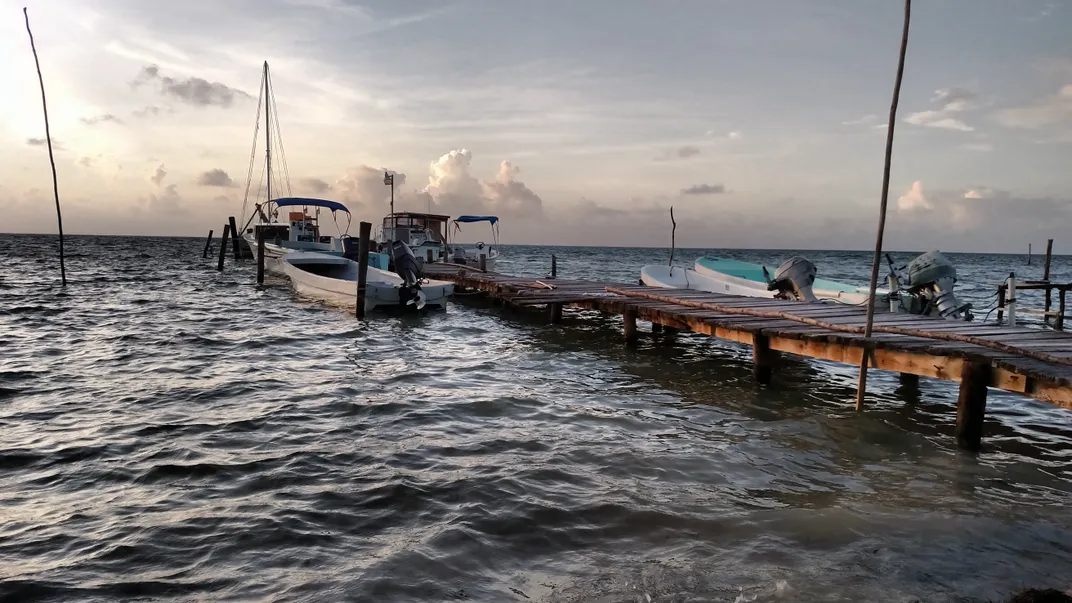
Most snorkeling tour boats depart from here; arrive 15 minutes early
Get directions
Hol Chan Marine Reserve, off Caye Caulker/Ambergris Caye
Boats moor here for the guided swim-through; no land access
Get directionsThe Belize Barrier Reef, stretching 190 miles along the Caribbean coast, formed over thousands of years as coral polyps built upon limestone foundations left by ancient ice-age seas. Indigenous Maya communities harvested conch and fish from these waters centuries before European contact, navigating shallow passages between cayes in dugout canoes. British colonial administrators largely ignored the reef until the mid-nineteenth century, when lighthouse construction on Half Moon Caye in 1848 opened shipping lanes that brought commercial fishing fleets to the outer atolls. Caye Caulker itself remained a sparse fishing outpost through the 1960s, its handful of families subsisting on lobster and conch exports to Belize City. Modern snorkeling in Belize Caye Caulker emerged in the 1970s when backpackers discovered the island's proximity to Hol Chan Cut, a natural channel carved through the reef by tidal currents. Local fishermen began ferrying visitors to the cut in wooden skiffs, charging a few dollars for gear and transport. The Belizean government designated Hol Chan Marine Reserve in 1987, the first protected area in Central America to charge entrance fees and enforce no-fishing zones. Scientists documented immediate recovery: Nassau grouper populations tripled within five years, and elkhorn coral colonies expanded across formerly barren rubble zones. Shark Ray Alley, now the reef's most visited site, began as an accidental attraction when fishermen cleaned catches at a shallow sandbar south of Hol Chan in the 1980s. Southern stingrays and nurse sharks congregated for scraps, eventually tolerating human presence. Tour operators formalized stops there by the mid-1990s, though marine biologists raised concerns about behavioral conditioning. Hurricane Mitch damaged outer reef crests in 1998, but shallow sites near Caye Caulker escaped major structural loss. Today the reserve welcomes over eighty thousand snorkeling in Belize Caye Caulker visitors annually, generating revenue that funds ranger patrols and mooring-buoy maintenance across twenty-three square kilometers of protected seagrass, coral, and mangrove habitat.
Maya communities harvest reef fish and conch for subsistence and trade across coastal settlements.
Half Moon Caye lighthouse construction marks first permanent British infrastructure on the barrier reef.
Backpacker tourism reaches Caye Caulker; fishermen begin informal snorkeling tours to Hol Chan Cut.
Hol Chan Marine Reserve established as Belize's first marine protected area with entrance fees and fishing restrictions.
Shark Ray Alley emerges as unplanned attraction when cleaning fish attracts nurse sharks and rays to shallow sandbar.
Hurricane Mitch damages outer reef structures but shallow snorkeling sites near Caye Caulker remain largely intact.
Reserve expands enforcement and mooring infrastructure; annual visitor numbers exceed fifty thousand by decade's end.
Over eighty thousand snorkelers visit annually; reserve fees fund habitat monitoring and sustainable tourism programs.
The reef channel wall drops from shallow flats into a deep blue-lit corridor where you can frame snorkelers against schooling grunts and snapper stacked along the cut. Stand at the boat's stern or slip in right at the marker buoy where the current runs through the channel. Visibility here is best before boats stack up midday.
A shallow sandy flat where nurse sharks and southern stingrays glide close to the surface, giving a clean silhouette shot with turquoise water and no reef clutter behind the subjects. Guides anchor here and slip snorkelers in a tight group, so line up shots from the outer edge of the group to avoid fins in frame.
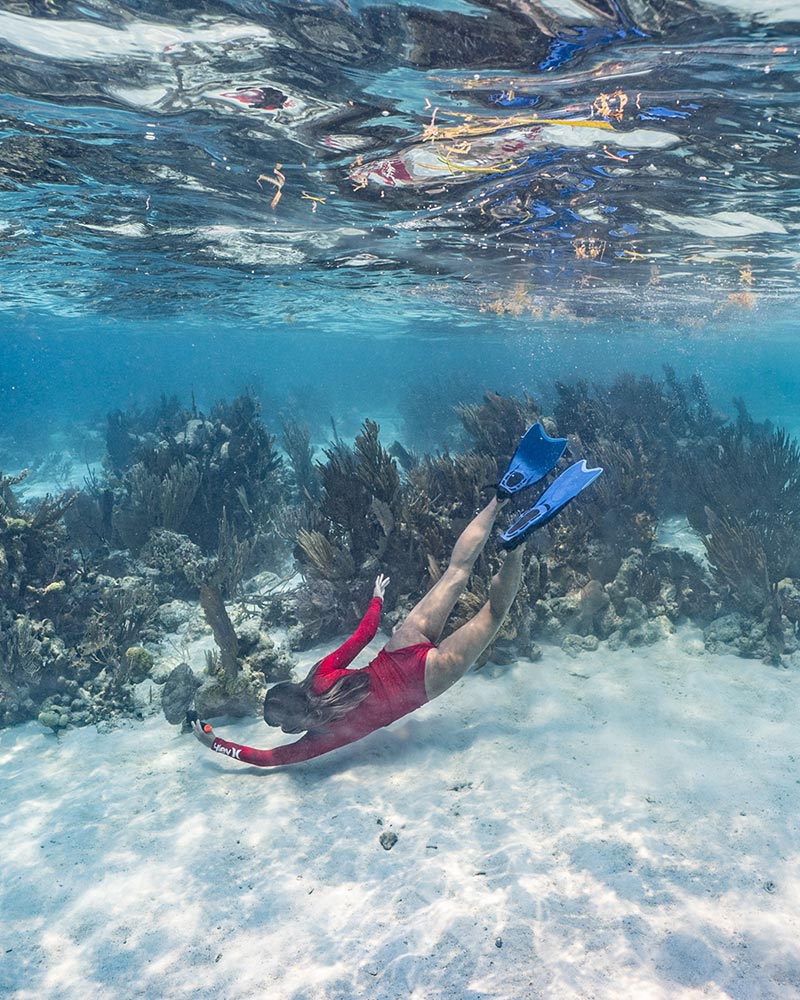
Dense stands of elkhorn and brain coral sit close enough to the surface for detail shots of parrotfish and angelfish without diving down. This stretch of the reserve is one of the classic snorkeling in belize caye caulker locations, and the shallow depth means natural light reaches the coral heads clearly. Fin slowly and keep a body-length distance to avoid touching coral.
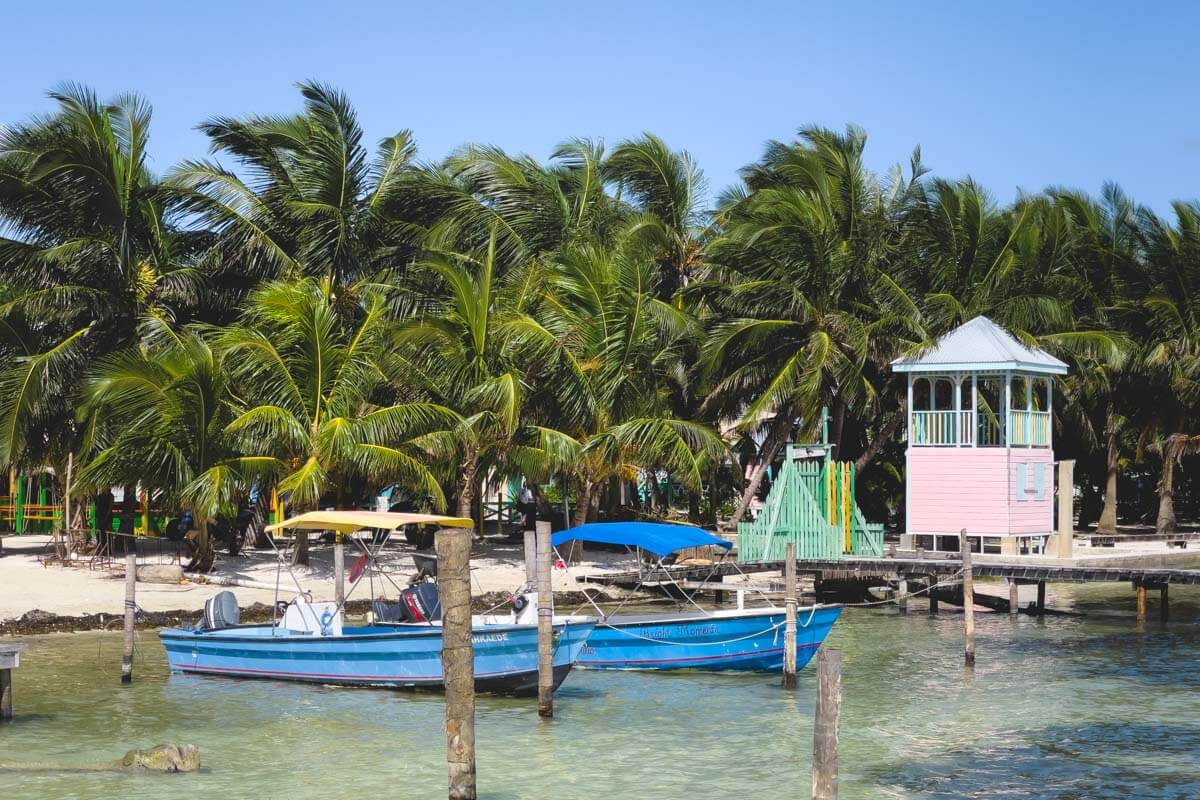
A narrow channel cut through Caye Caulker's shoreline where locals and visitors jump in for a quick swim, framed by the dock, palm trees and the open water beyond. It works as an easy shore-access shot of the island itself rather than the reef, best captured from the dock railing or the small beach bar platform beside it.
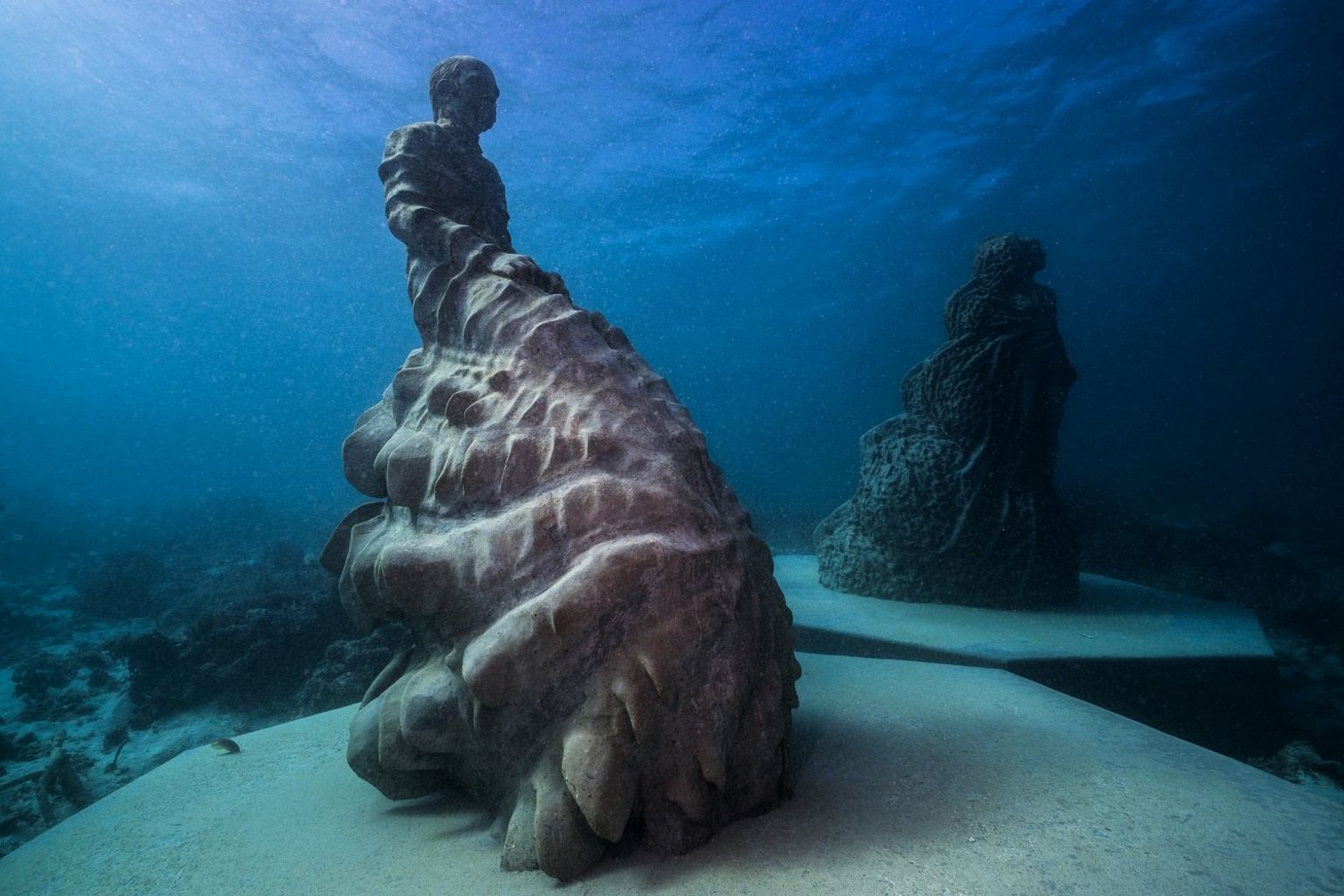
A submerged bronze reef sculpture near the marine reserve boundary gives divers and snorkelers a distinct foreground subject against open water, popular for silhouette and scale shots. Position above the sculpture and shoot downward to capture the full figure with the sandy bottom as backdrop.
Snorkeling in Belize Caye Caulker with kids works best when you treat it as a boat day first, reef day second: little ones need to handle choppy rides and mask-breathing before the marine reserve part even starts.
Kids around 6 and up who are comfortable in open water and can keep a snorkel mask on do best; younger children can go but usually stay close to a parent or crew member the whole time rather than exploring independently.
Shorter 3 to 3.5 hour trips suit younger kids far better than full-day options since they cover fewer stops and cut total boat time, which matters more to a tired 7-year-old than seeing an extra reef site.
Reef snorkeling here isn't a lesson, so kids should already be relaxed floating and breathing through a snorkel in a pool before booking; guides help with gear but won't teach swimming mid-trip.
Expect a bumpy 15 to 20 minute ride out to the reserve, so seat motion-sensitive kids near the center and pack a light snack for after, not before, the ride.
Boats generally have minimal onboard facilities, so use the restroom on Caye Caulker before departure since there's no changing room or baby-change station until you're back on the island.
Ask the operator in advance about kid-sized masks and fins, since ill-fitting gear is the most common reason young children panic or refuse to get in the water.
Most boats for snorkeling in Belize Caye Caulker leave from docks along Front Street, so pre-dawn departures mean grabbing something fast on the way and saving a proper meal for after. The strip between the Split and the main piers has enough golf-cart-width food stands and bars to cover both ends of the trip without a detour.
Grilled chicken, burritos and fry jacks served early; a go-to for a quick bite before an 08:00 tour when little else is open
Cinnamon rolls, garnaches and coffee from a small window a short walk off Front Street; gets busy right at opening so arrive close to when it opens for the fastest service
Burgers, ceviche and cold drinks steps from the swimming area at the north end of the island; a natural stop after a snorkeling tour to rinse off and eat
Fresh fish plates and rice and beans a few minutes from the water taxi docks; fills up at lunch when boats return, so early or late timing helps
Tacos, seafood and margaritas near Front Street; suited to a relaxed post-trip lunch rather than a rushed pre-dawn stop.
Everything you need to know for your journey
Hol Chan Marine Reserve, the main site for snorkeling in Belize Caye Caulker excursions, is accessible daily from 00:00 to 23:59, though tour boats generally depart in scheduled morning and afternoon windows.
Yes, there is a 10 USD per person Hol Chan Marine Reserve fee, collected separately from any tour booking cost.
The recommended window is 08:00 to 10:30, when the water is calmer, light conditions are better for visibility, and fewer boats are on the water.
Standard tour boats require stepping over the gunwale to board and are not equipped with ramps or lifts, so they are difficult for wheelchair users; guides can offer hand assistance where possible.
Spearfishing gear, fishing equipment, gloves, coral or shell collection, and non-reef-safe sunscreen are all prohibited within Hol Chan Marine Reserve.
Yes, underwater cameras and GoPros are welcome and widely used around Shark Ray Alley and the Hol Chan coral channel; drones require prior authorization and are generally not permitted over the reserve.
Wear a swimsuit under light, quick-dry clothing, apply reef-safe sunscreen, and consider a rash guard for sun protection during the boat ride.
Bottled water is allowed on board and many operators include a simple lunch on full-day trips, but food should not be consumed in the water or near the reef.
Most snorkeling in Belize Caye Caulker tours depart from the main dock on Front Street, which is within walking distance of guesthouses across the island.
Yes, children who can swim comfortably in open water are welcome, and boats typically carry extra life jackets for young swimmers.
Most operators allow free cancellation up to 24 hours before departure with a refund minus processing fees; the 10 USD Hol Chan Marine Reserve fee is paid separately and is generally non-refundable once collected.
Nearby sights on the island include The Split, Caye Caulker Forest Reserve, and the west-side lagoon, all reachable on foot after your snorkeling trip.
A narrow channel cutting through the north end of Caye Caulker, popular for swimming and sunset views. It formed after Hurricane Hattie split the island in 1961.
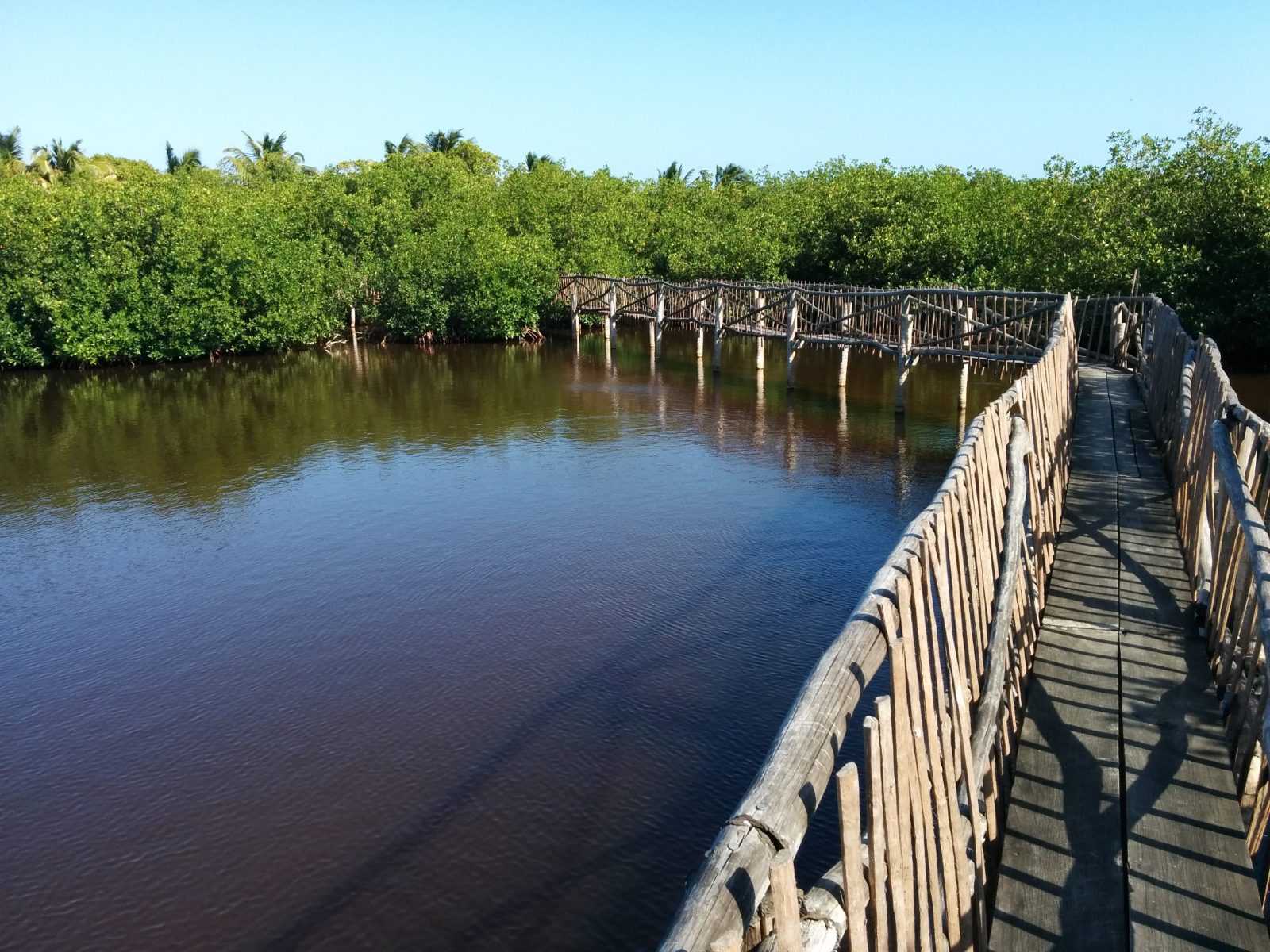
A small protected mangrove and littoral forest area on the island good for birdwatching and short walks.
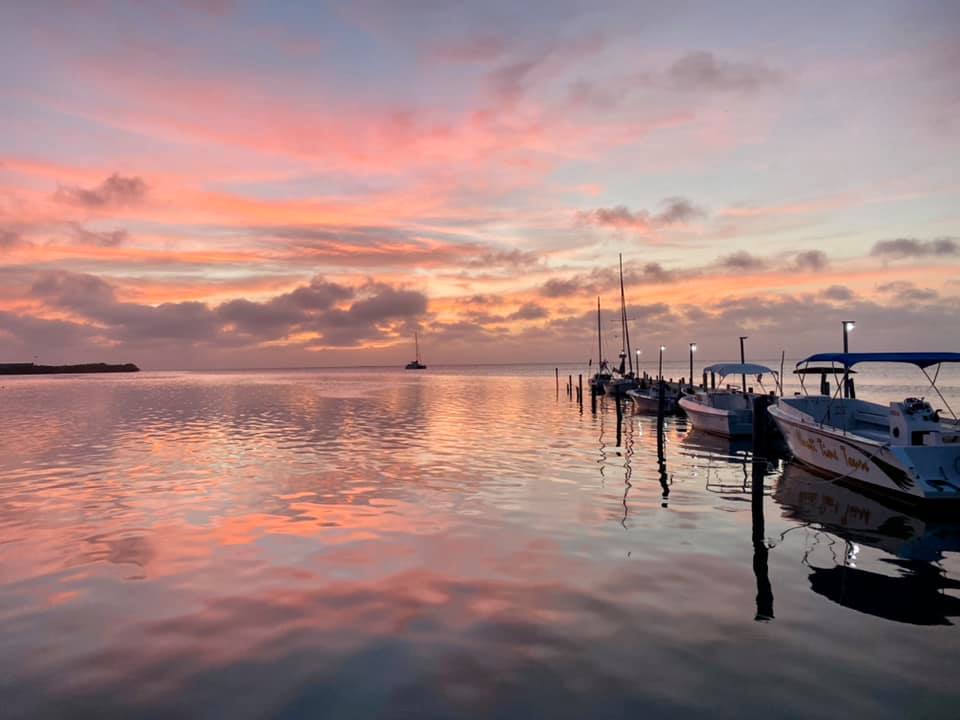
A calm western-side waterfront popular for watching the sunset away from the main tourist docks.
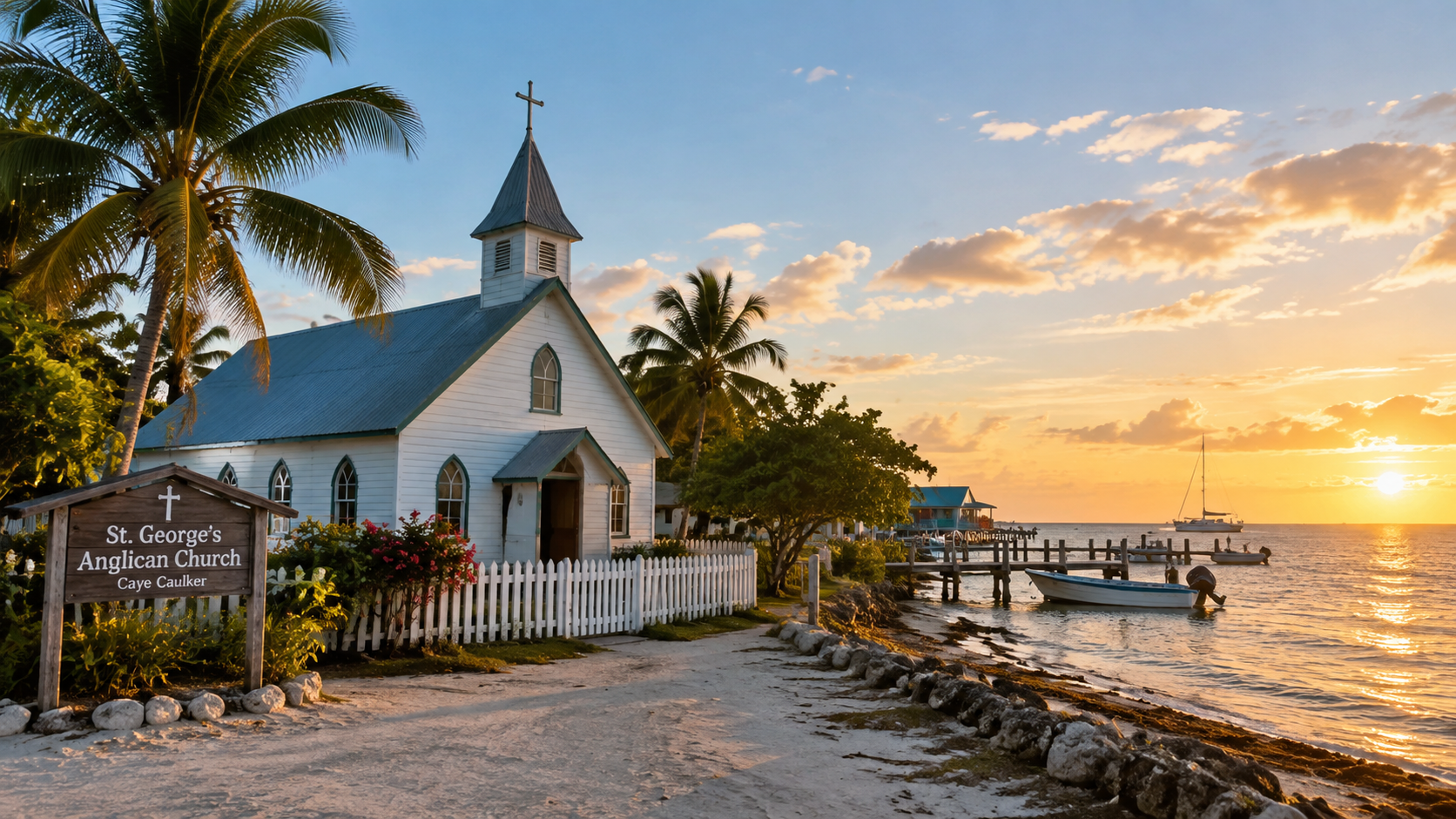
A modest wooden island church reflecting Caye Caulker's small fishing-village heritage.
Guesthouses and small hotels cluster along Front and Middle Streets near the tour docks.
A waterfront boutique property on the island's west side with reef-facing rooms.
A centrally located mid-range hotel near the main dock area with a small pool.
Several hostels and budget guesthouses sit within a few minutes of the tour departure docks.
Join thousands of happy travelers who have discovered this incredible experience
Book Your Experience Now