6 h
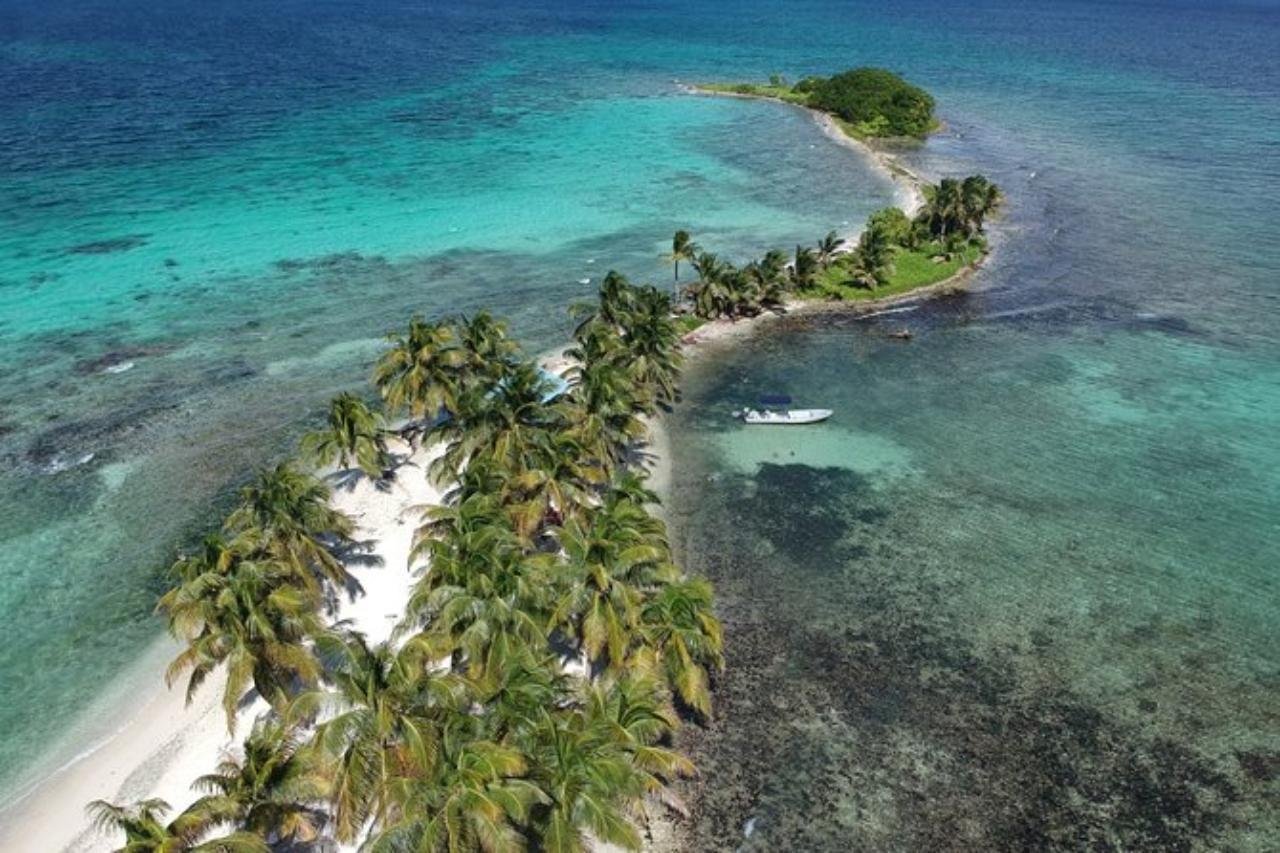
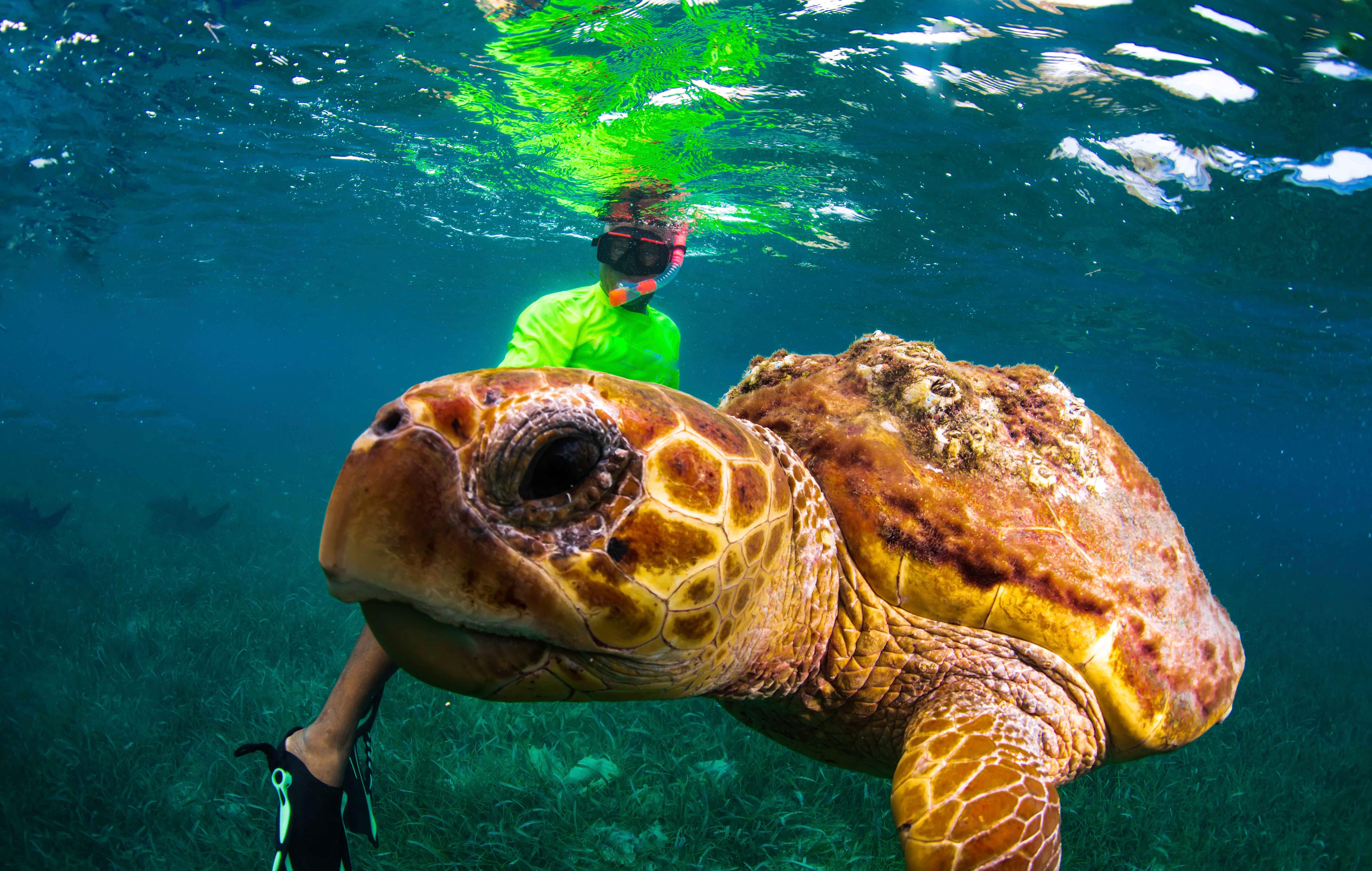
Laughing Bird Caye Snorkeling Adventure
- Guide local expert
- Petit groupe
- Accès coupe-file
- Annulation gratuite
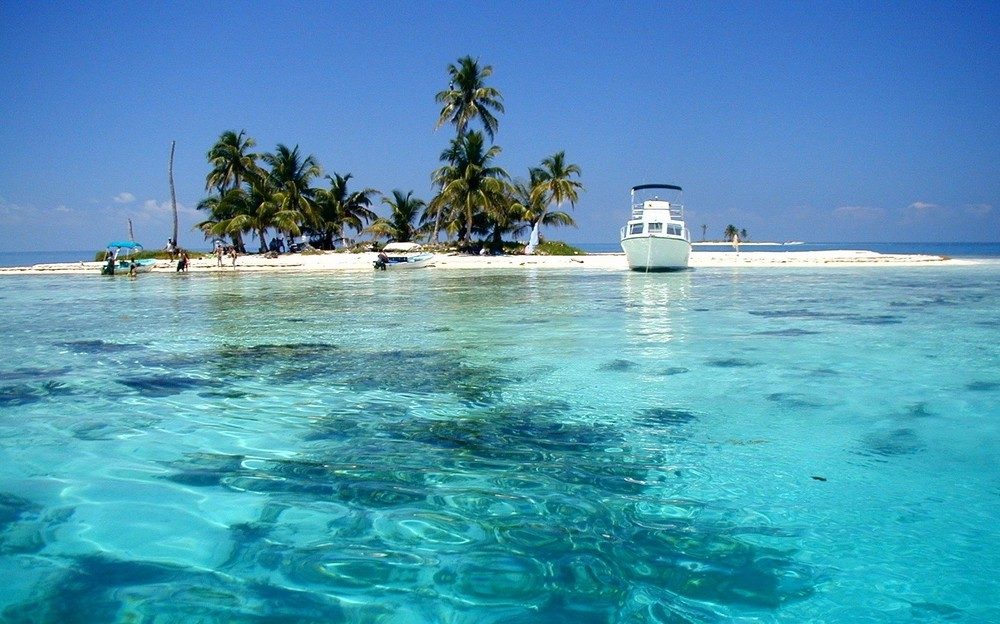
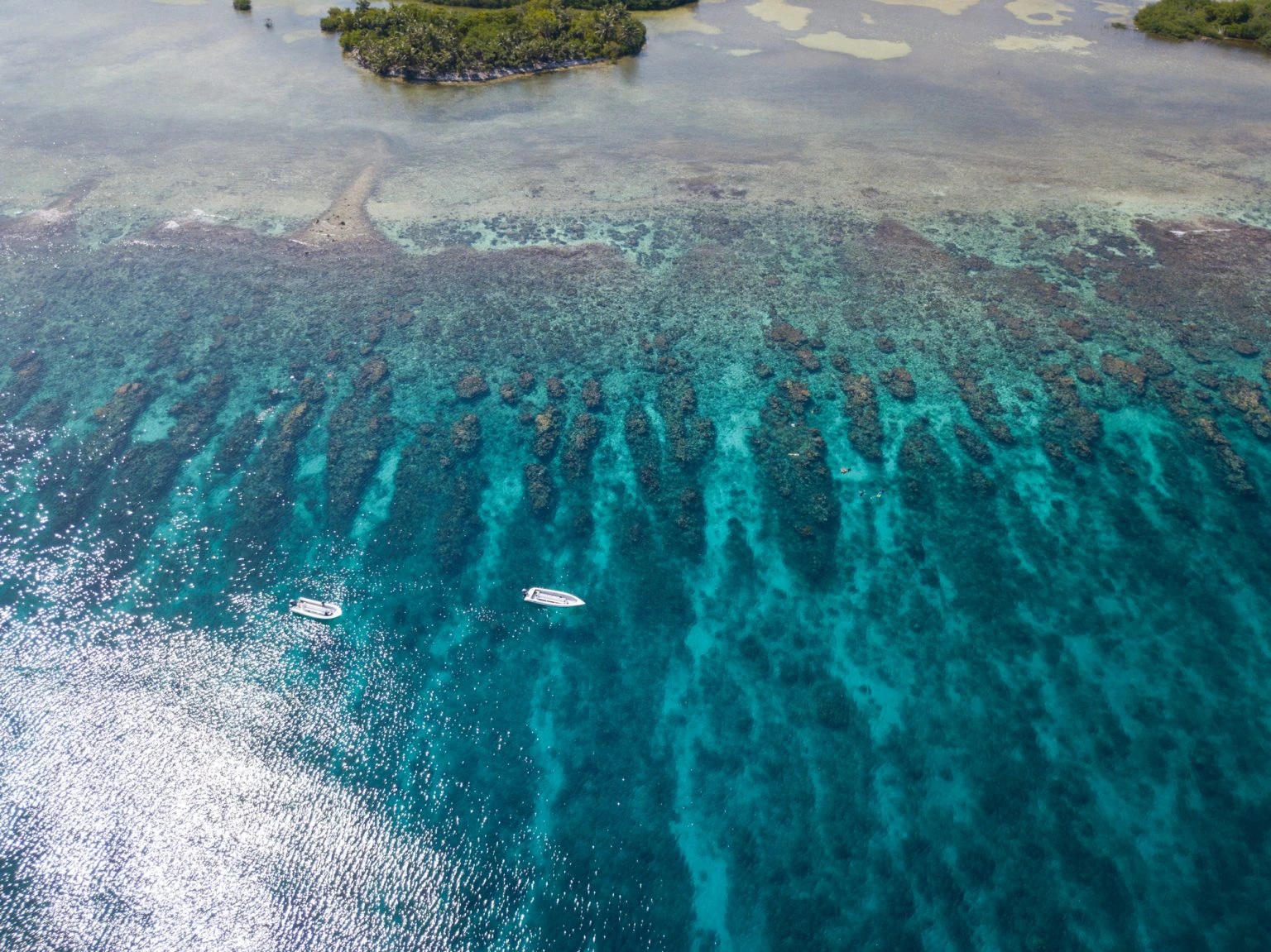
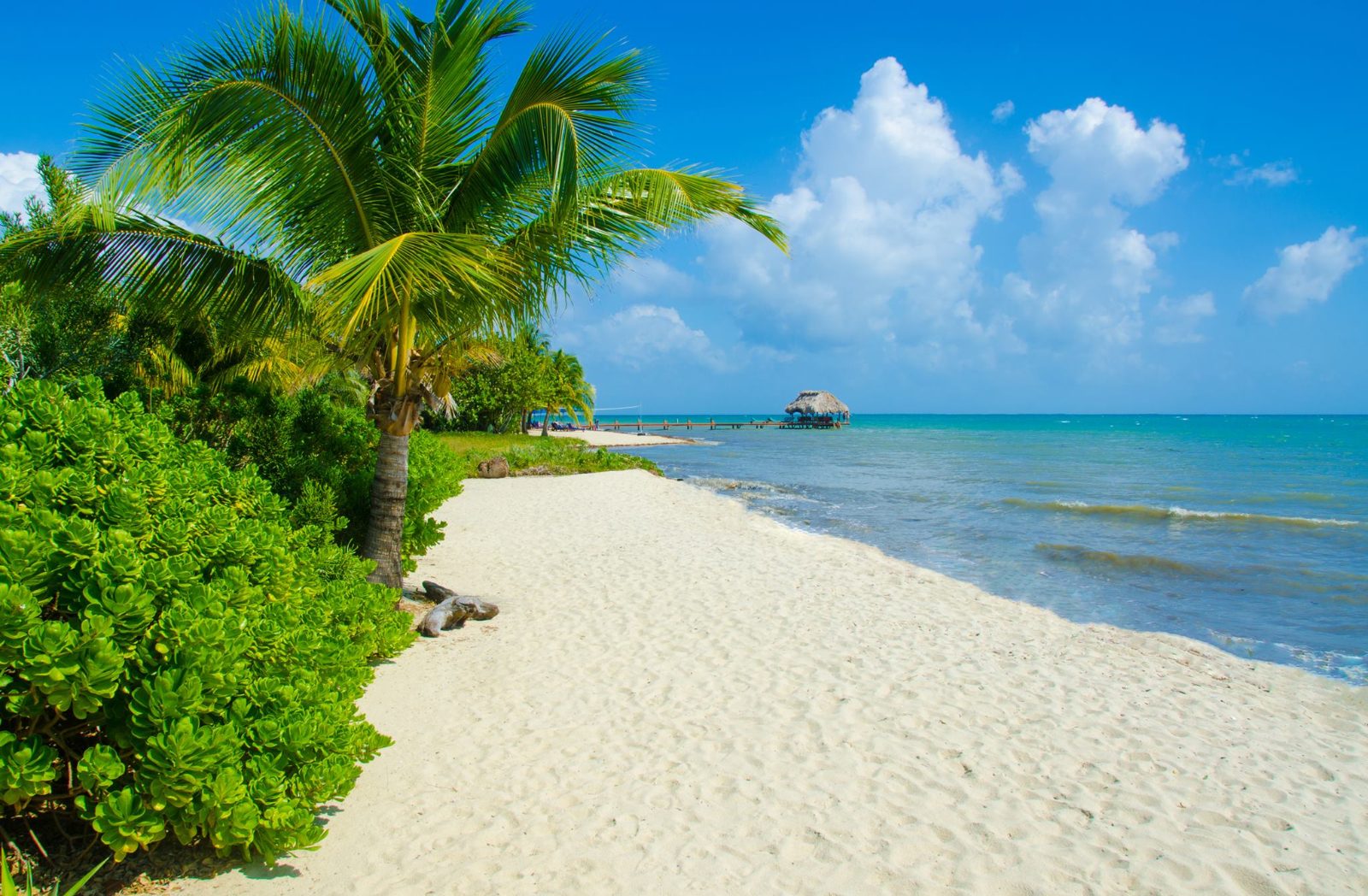
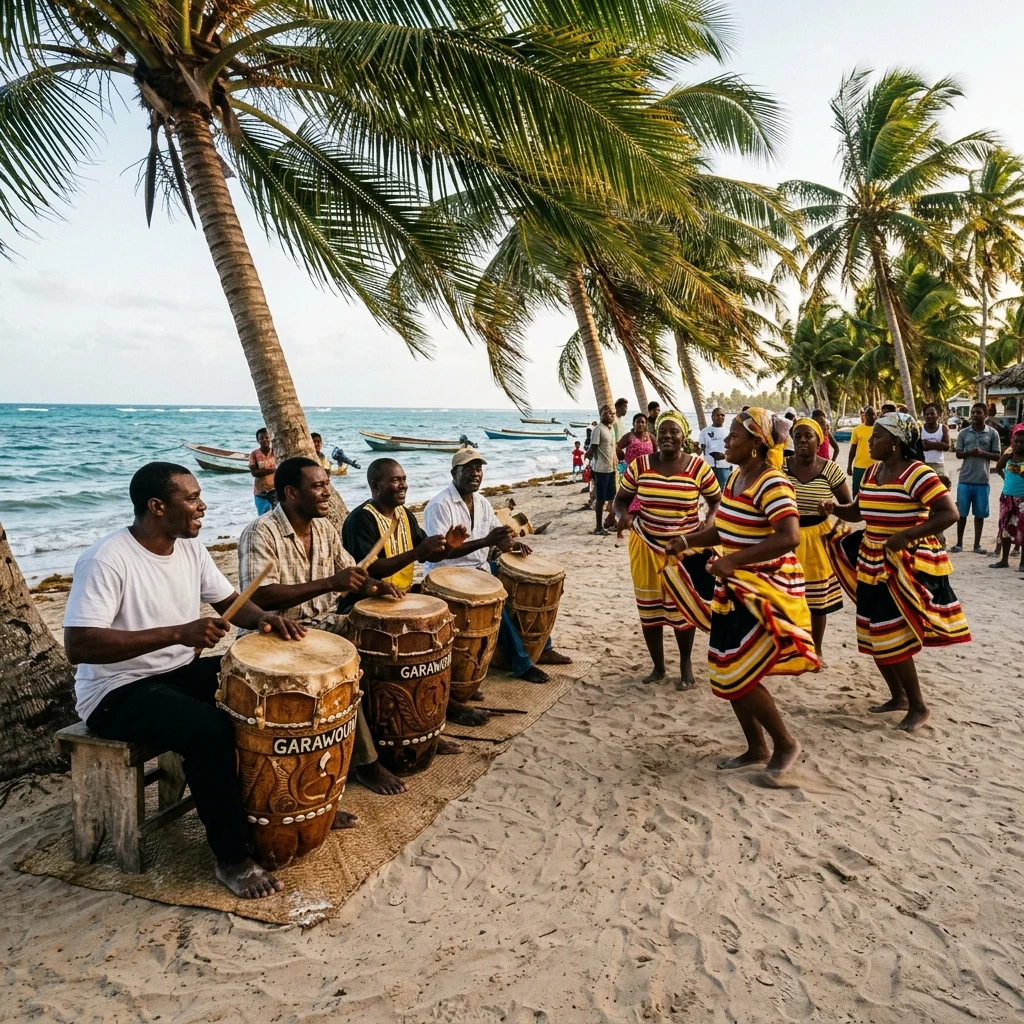
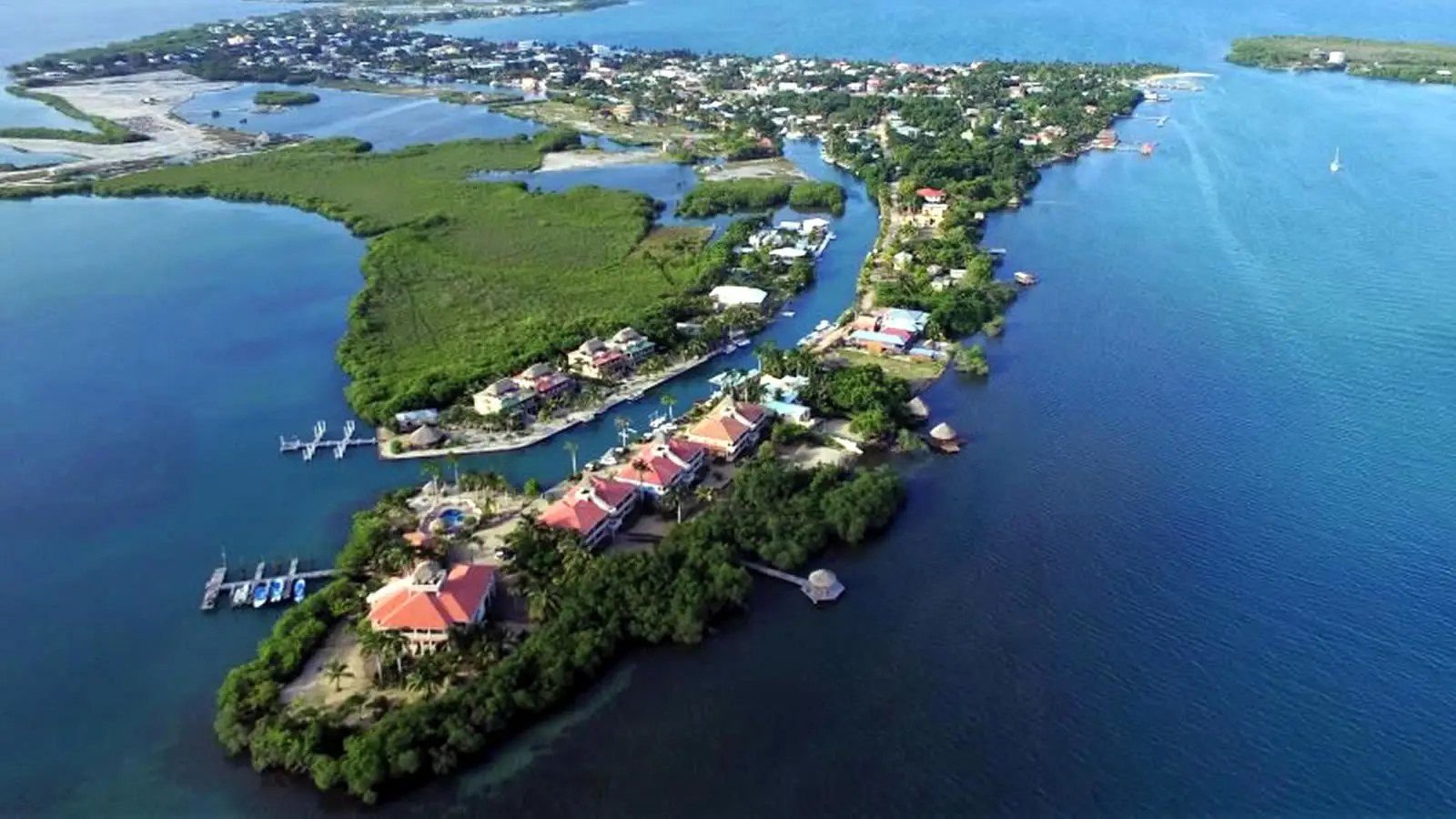
Turquoise shallows where the reef meets the shore, a sixteen-mile peninsula facing the Caribbean
Comparez les tarifs et choisissez ce qui vous convient — toutes les réservations sont sur bon mobile et éligibles à l'annulation gratuite là où c'est indiqué.
6 h
7 h
3 h 30 min
| Expérience | Durée | Note | Transferts | Prise en charge | Déjeuner | Annulation | Prix | |
|---|---|---|---|---|---|---|---|---|
|
Avec guide
Le plus populaire
Laughing Bird Caye Snorkeling Adventure
|
6 h | ★ 4.8 | — | ✓ | ✓ | ✓ | €123 | Réserver → |
|
Avec guide
Silk Cayes Snorkeling Adventure with Marine Life Encounters
|
7 h | ★ 4.8 | — | — | — | ✓ | €149 | Réserver → |
|
Entrée standard
Belize City to Placencia & Hopkins Shuttle Transfer
|
3 h 30 min | ★ 5.0 | ✓ | ✓ | — | ✓ | €99 | Réserver → |
Worth it for marine life enthusiasts
The 40 BZD marine reserve conservation fee funds critical reef protection and grants access to the Belize Barrier Reef, a UNESCO World Heritage site teeming with sea turtles, nurse sharks, and vibrant coral gardens. That fee alone doesn't get you far from shore—snorkeling in placencia belize becomes transformative when paired with boat excursions. The Laughing Bird Caye Snorkeling Adventure and Silk Cayes Snorkeling Adventure with Marine Life Encounters deliver the most value, transporting you to remote cayes where visibility exceeds 30 meters and encounters with spotted eagle rays and grouper are routine. Beach snorkeling from Placencia's shoreline costs nothing beyond the reserve fee but rarely matches offshore sites for biodiversity. The real cost lies in excursion pricing, typically starting around 150–200 BZD per person for half-day trips. For casual swimmers content with nearshore reef patches, the marine reserve fee alone suffices. For anyone seeking encounters with megafauna and pristine coral walls, snorkeling in placencia belize tours justify the combined investment.
Bottom line: The reserve fee is negligible; budget for a boat trip to unlock the reef's full potential.
Both are reef-boat excursions out of Placencia, but most repeat snorkelers rate the Silk Cayes Snorkeling Adventure with Marine Life Encounters higher for marine life odds, while the Laughing Bird Caye Snorkeling Adventure wins on shorter boat time and calmer, closer-in water.
|
Top pick Laughing Bird Caye Snorkeling Adventure |
Silk Cayes Snorkeling Adventure with Marine Life Encounters | |
|---|---|---|
| What you approach | Laughing Bird Caye, a narrow coral spit | Silk Cayes' three tiny sand islets |
| How you get there | Boat from Placencia dock | Boat from Placencia dock |
| Boat/travel time | About 30-40 minutes each way | About 45-60 minutes each way |
| Marine life odds | Reef fish, coral gardens, occasional rays | Higher odds of nurse sharks and rays |
| Crowd levels | Fewer boats, calmer site | Busier with multiple tour operators |
| Duration | 6 hours total | 6-7 hours total |
| Best for | Shorter trip, calmer seas | Bucket-list marine encounters |
| See tickets & prices |
Verdict: Choose Laughing Bird Caye for a shorter run and calmer conditions, and Silk Cayes when the priority is maximizing shark and ray sightings on a slightly longer day trip.
Expériences sélectionnées appréciées par des milliers de voyageurs
3 hours
Annulation gratuite
Explore Placencia's culinary heart through authentic street eats and traditional Creole lunch dishes
3 hours
Annulation gratuite
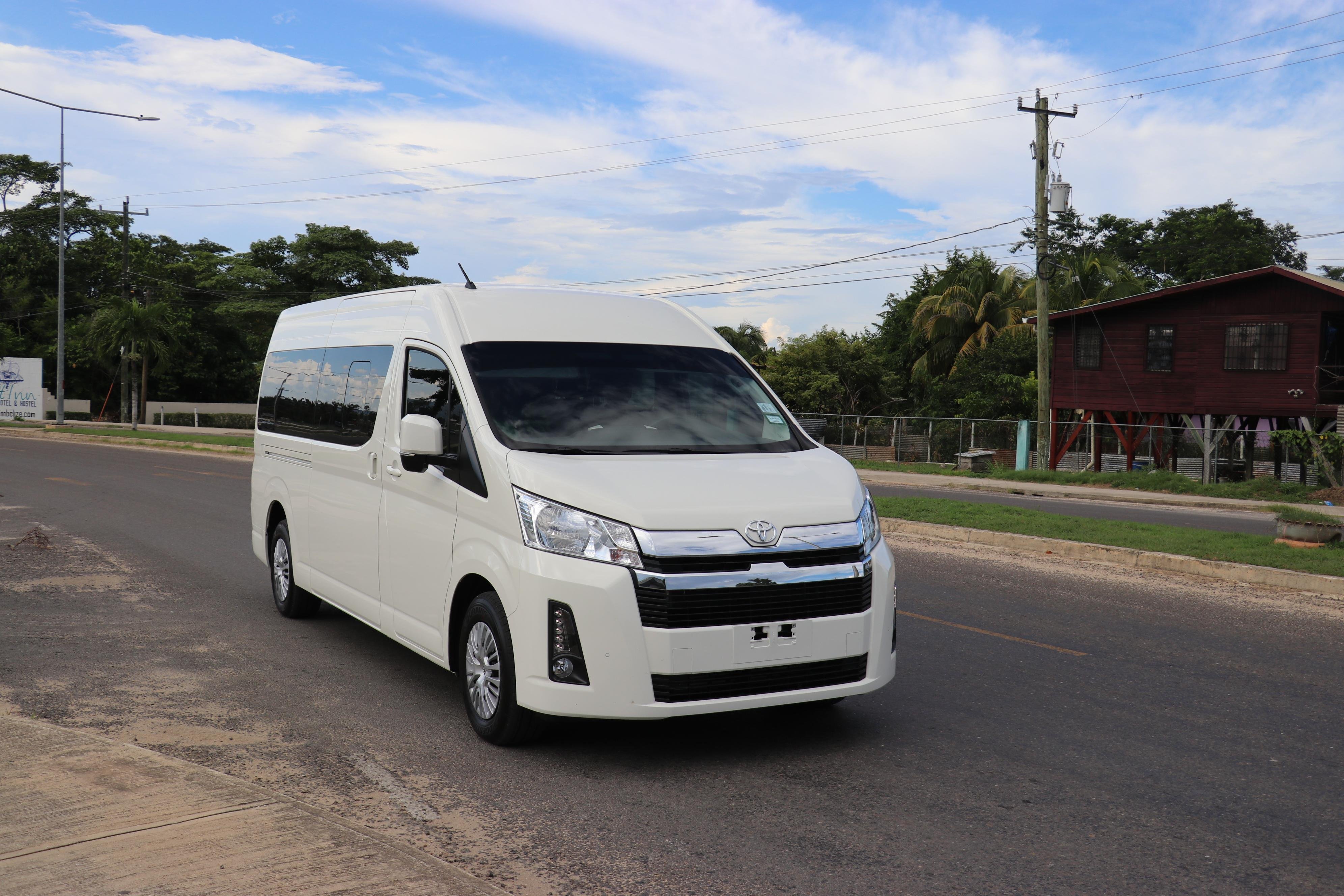
Comfortable, air-conditioned shuttle service connecting San Ignacio with Placencia or Hopkins destinations
6 hours
Annulation gratuite
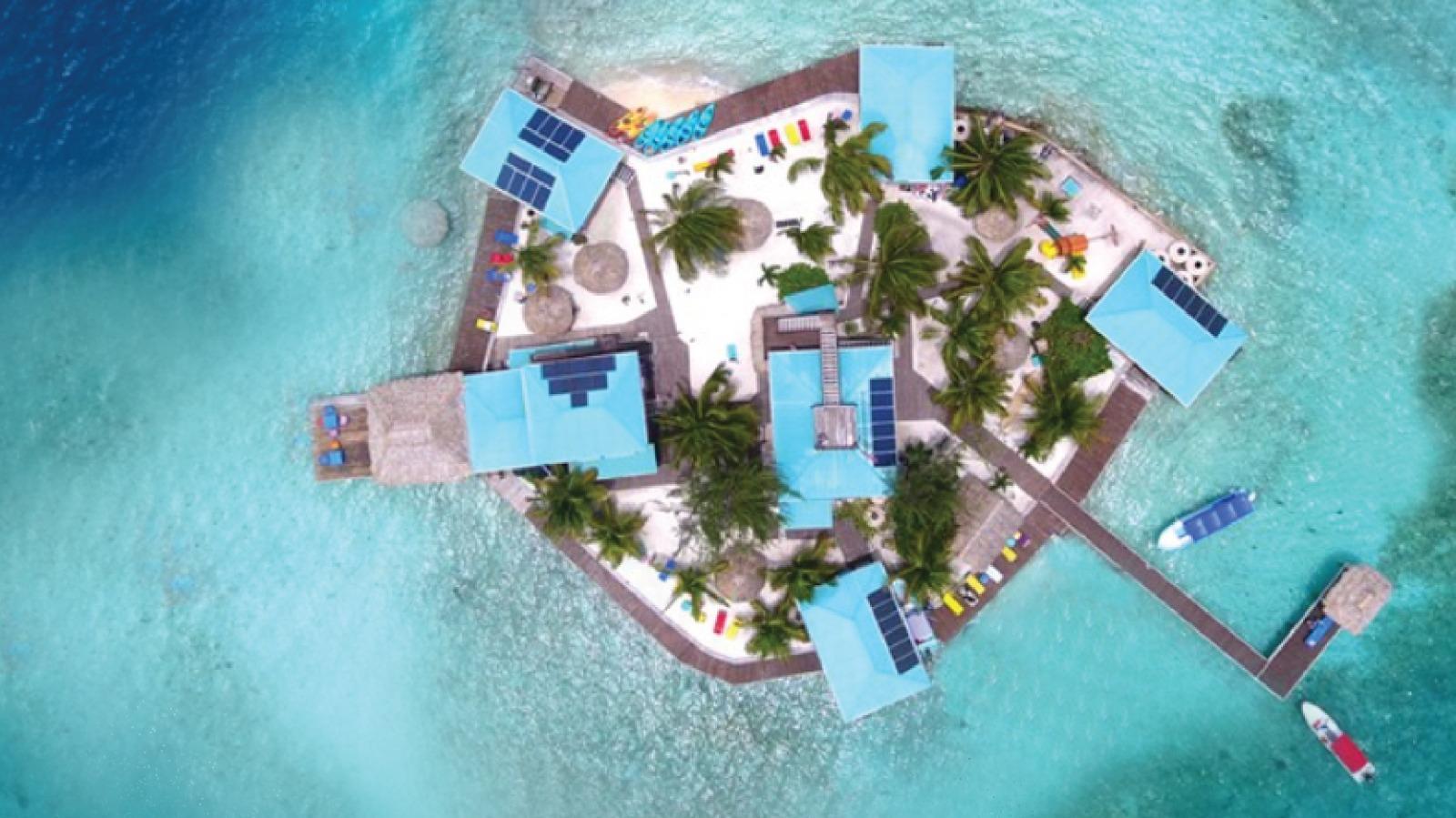
Six-hour Caribbean escape to an exclusive island resort with water activities, island meal, and drinks
5 hours 30 minutes
Annulation gratuite
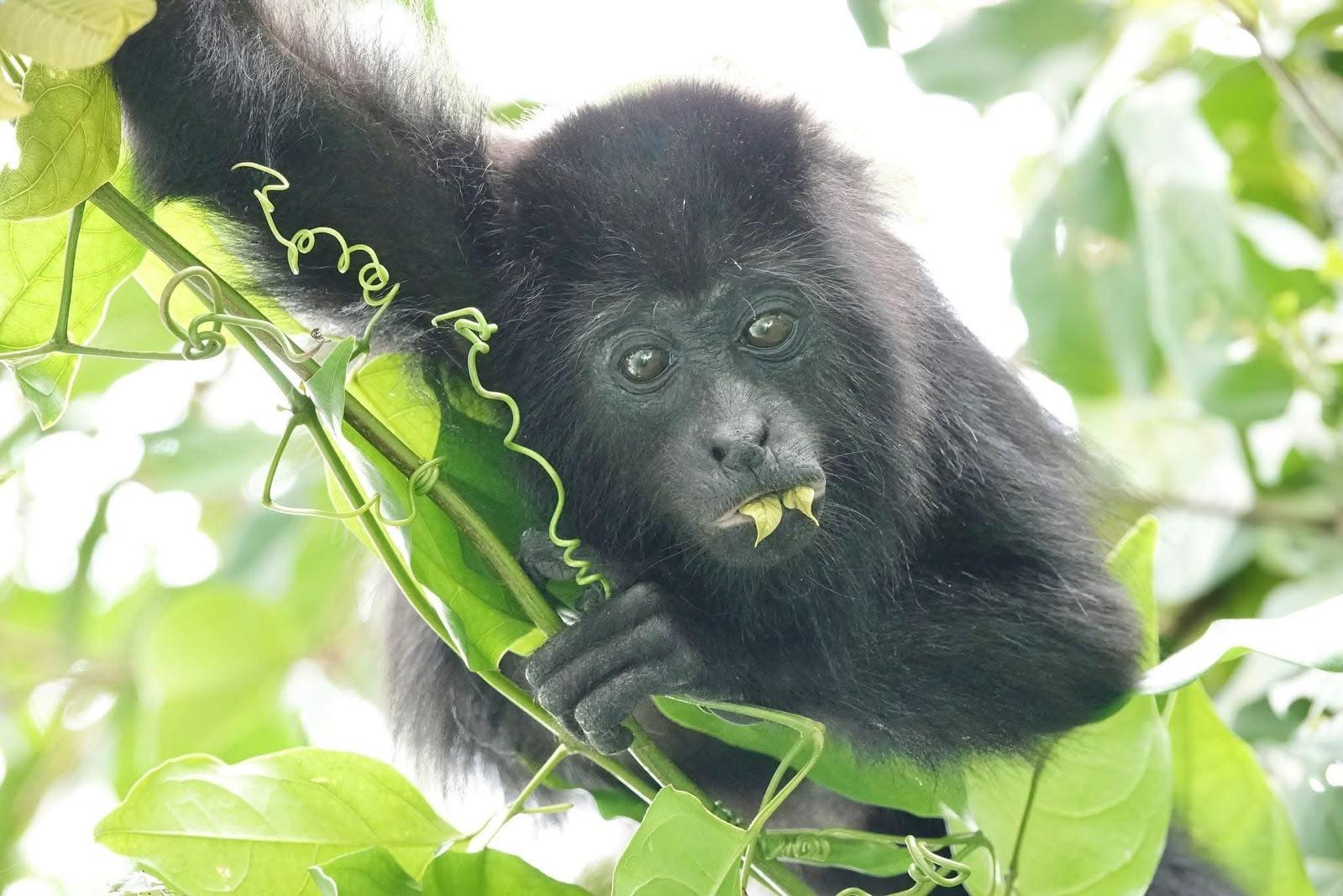
Journey through coastal waters and jungle trails in search of howler monkeys, manatees, and tropical wildlife
8 hours
Annulation gratuite
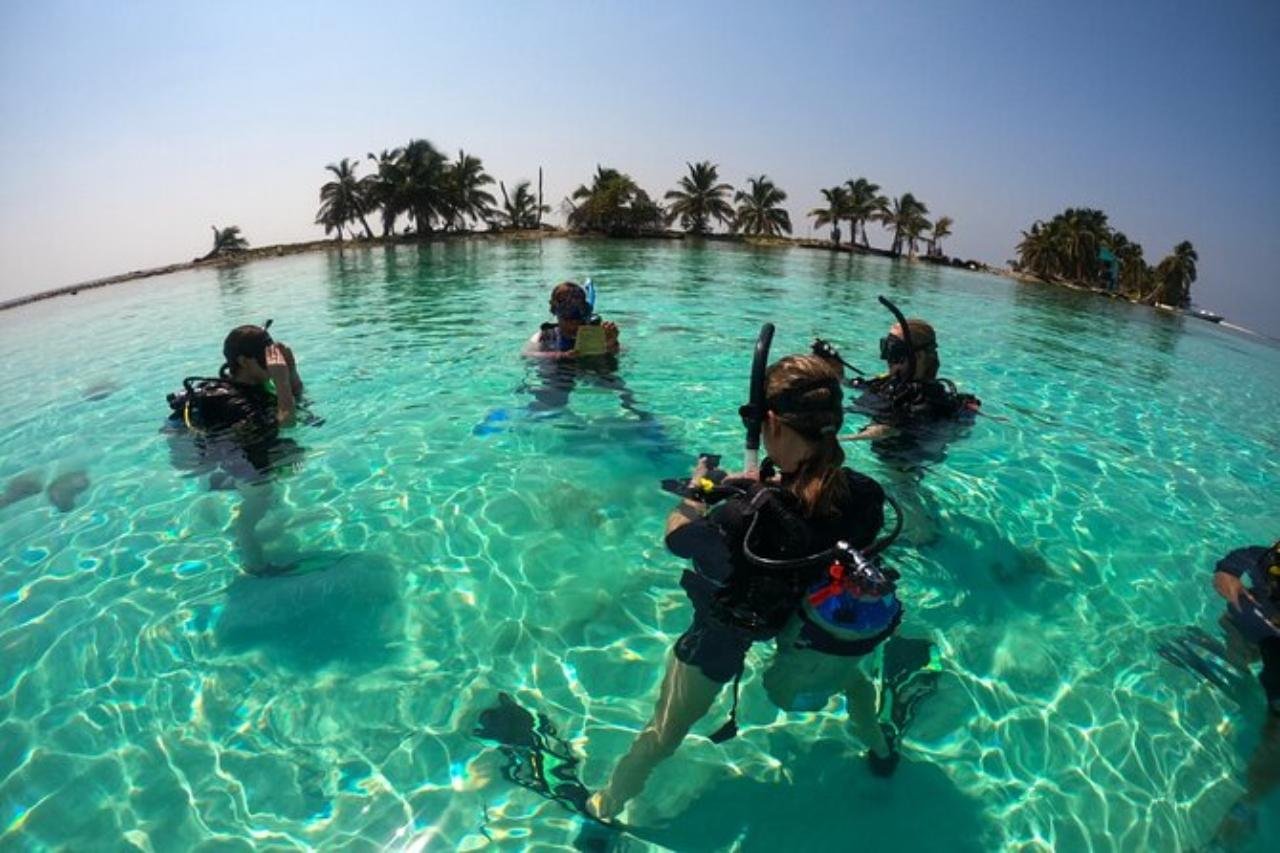
Dive into the underwater world with a PADI-certified beginner program exploring Caribbean reefs
12 hours
Annulation gratuite
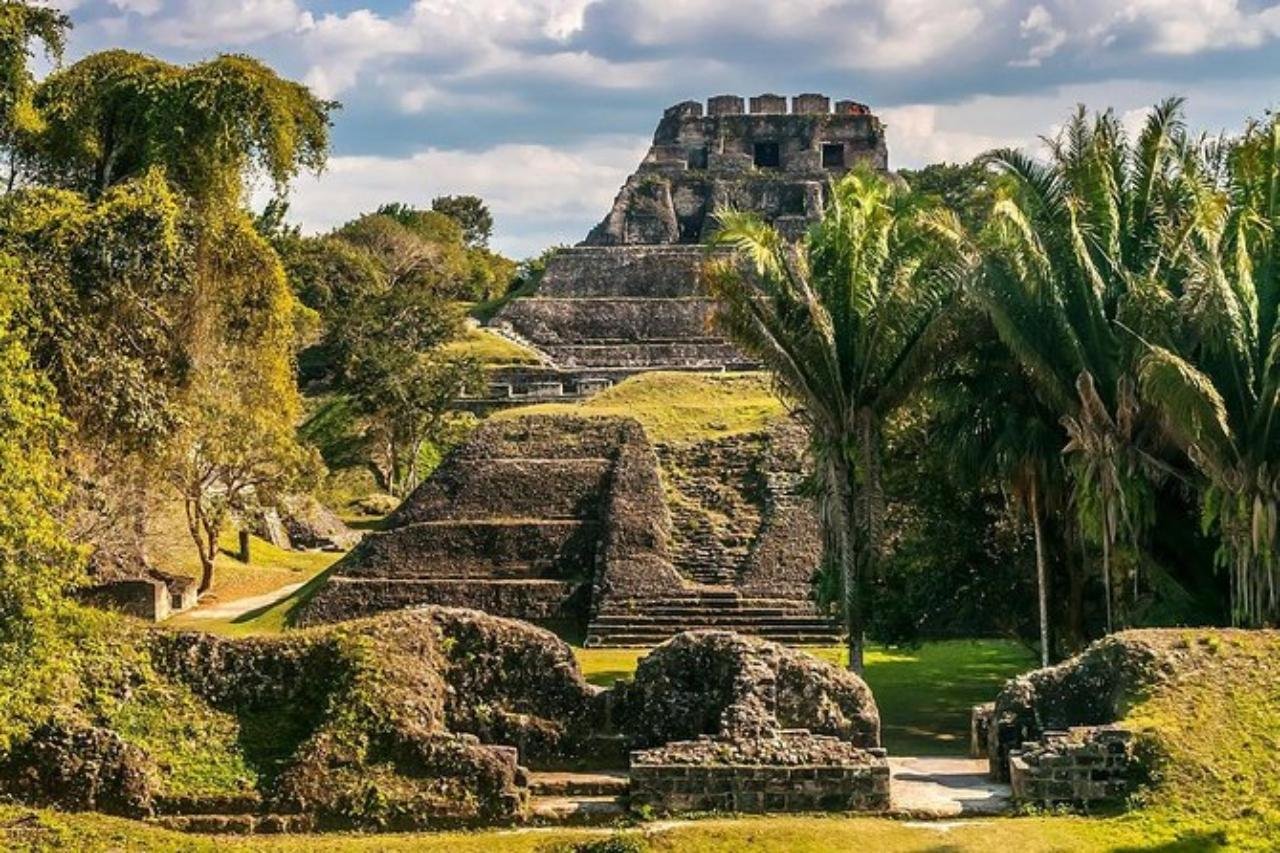
Journey through Belize's highlands to ancient temples and a stunning jungle cenote on this full-day expedition
4 hours
Annulation gratuite
Drive straight to a secluded jungle cascade on private land—swim, relax, no trek required.
10 hours
Annulation gratuite
Explore ancient Maya temples and float through mystical underground rivers in one epic day
Arrive at the departure dock, confirm booking, and get fitted with mask, snorkel, and fins
Ride out to the Belize Barrier Reef or nearby cayes such as Laughing Bird Caye
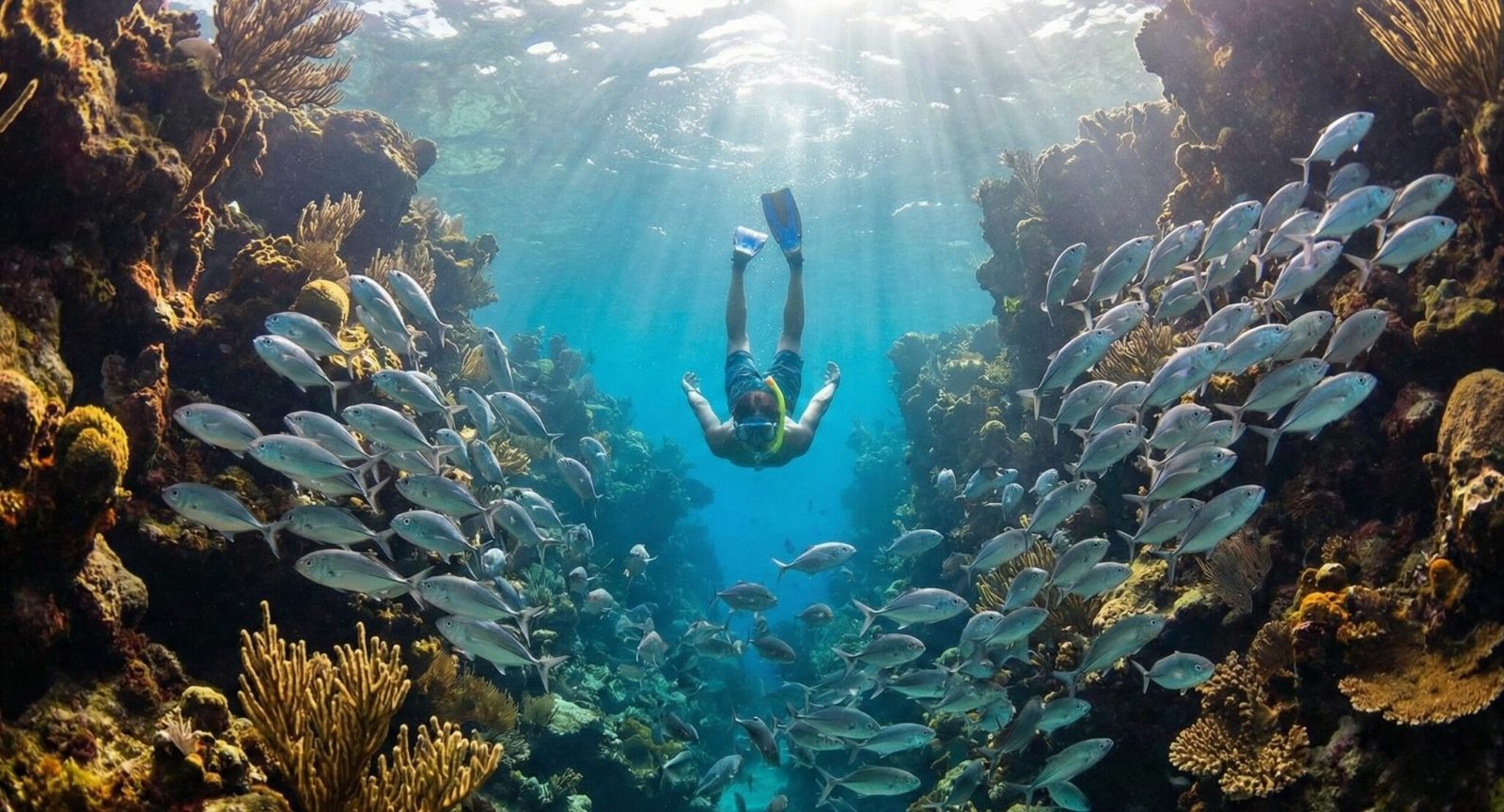
Guided swim over coral formations to spot reef fish, rays, and sea turtles
Rest on the boat with water and light snacks between sites
Visit a second site, often deeper water for nurse sharks or larger marine life
Boat returns to dock with time to rinse gear and dry off
A small sand caye and national park roughly 30-40 minutes by boat from Placencia, named for a laughing gull colony that once nested here. Its surrounding reef drop-off is a common first stop for half-day snorkeling trips.
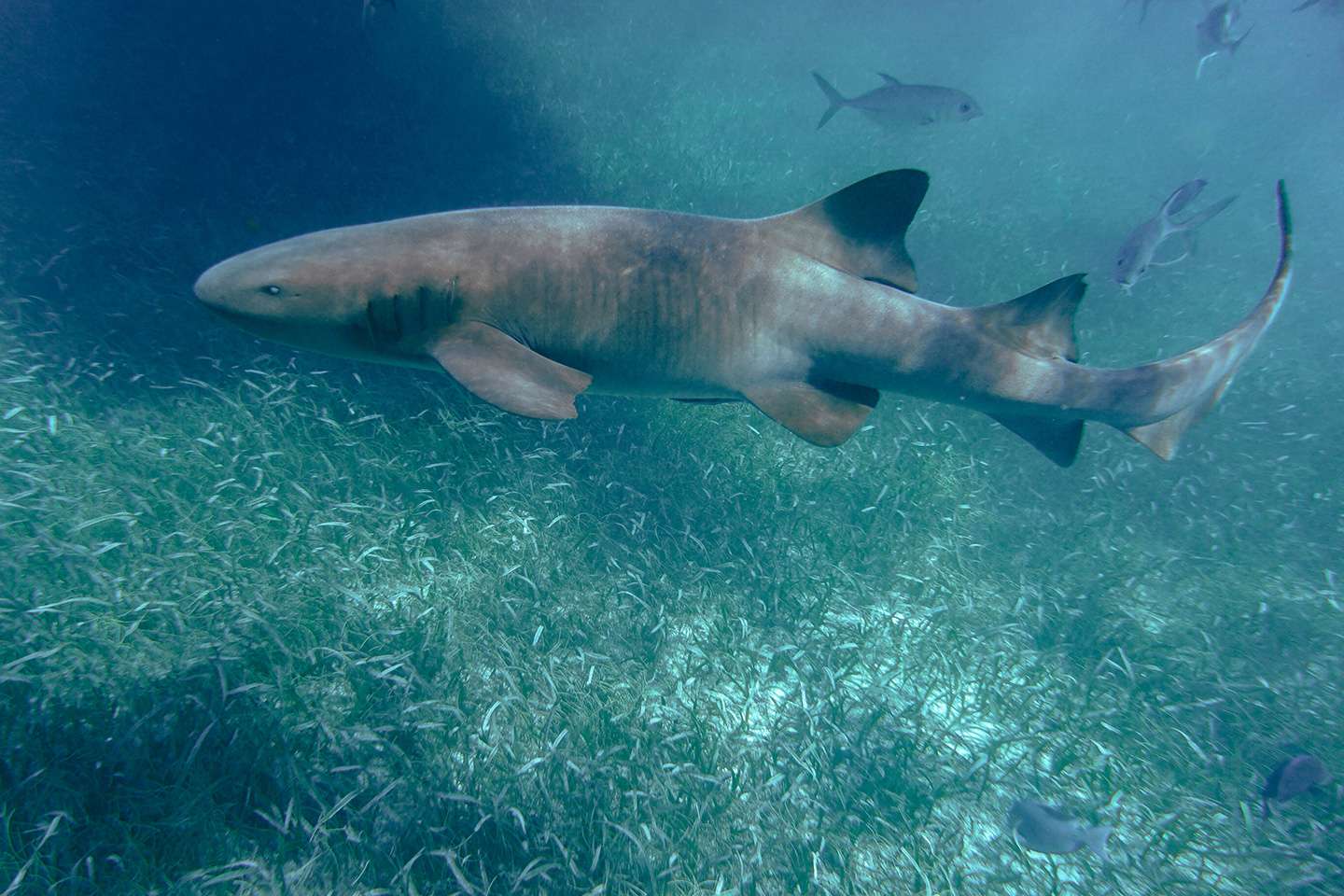
A cluster of tiny cayes farther offshore known for frequent nurse shark and southern stingray sightings in the shallows nearby. The site sits within the Gladden Spit and Silk Cayes Marine Reserve, a protected whale shark aggregation zone.
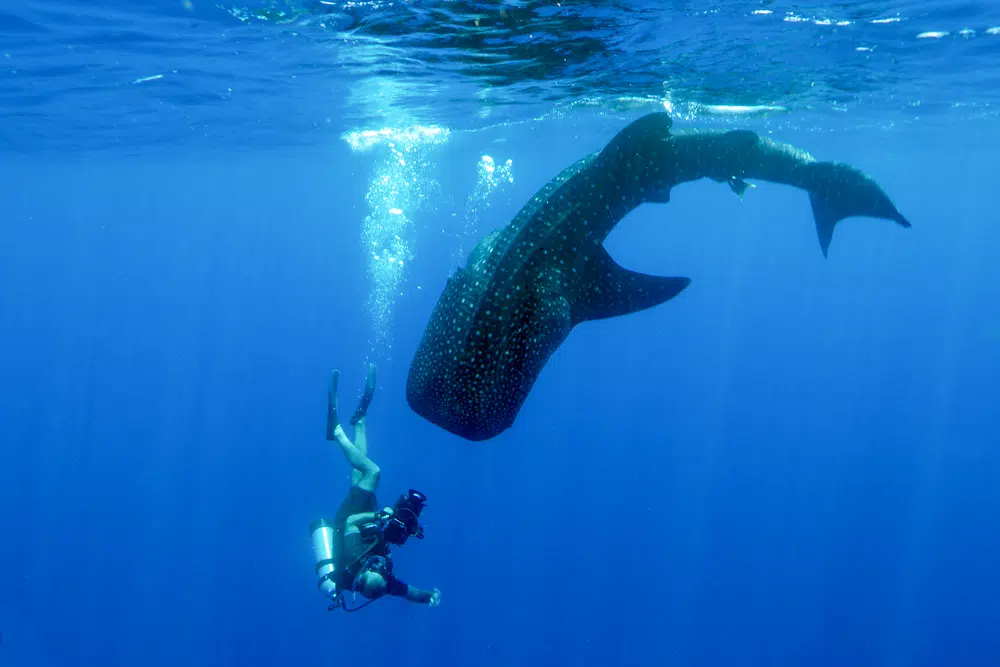
A deep-water reef spur near the Silk Cayes known seasonally for whale shark sightings tied to snapper spawning between March and June. It's one of the few reliable whale shark encounter zones in the western Caribbean.
A shallow-to-deep transition zone a short boat ride from the peninsula where coral heads give way to darker water, attracting eagle rays and barracuda. Visibility here often exceeds 15 meters on calm mornings.
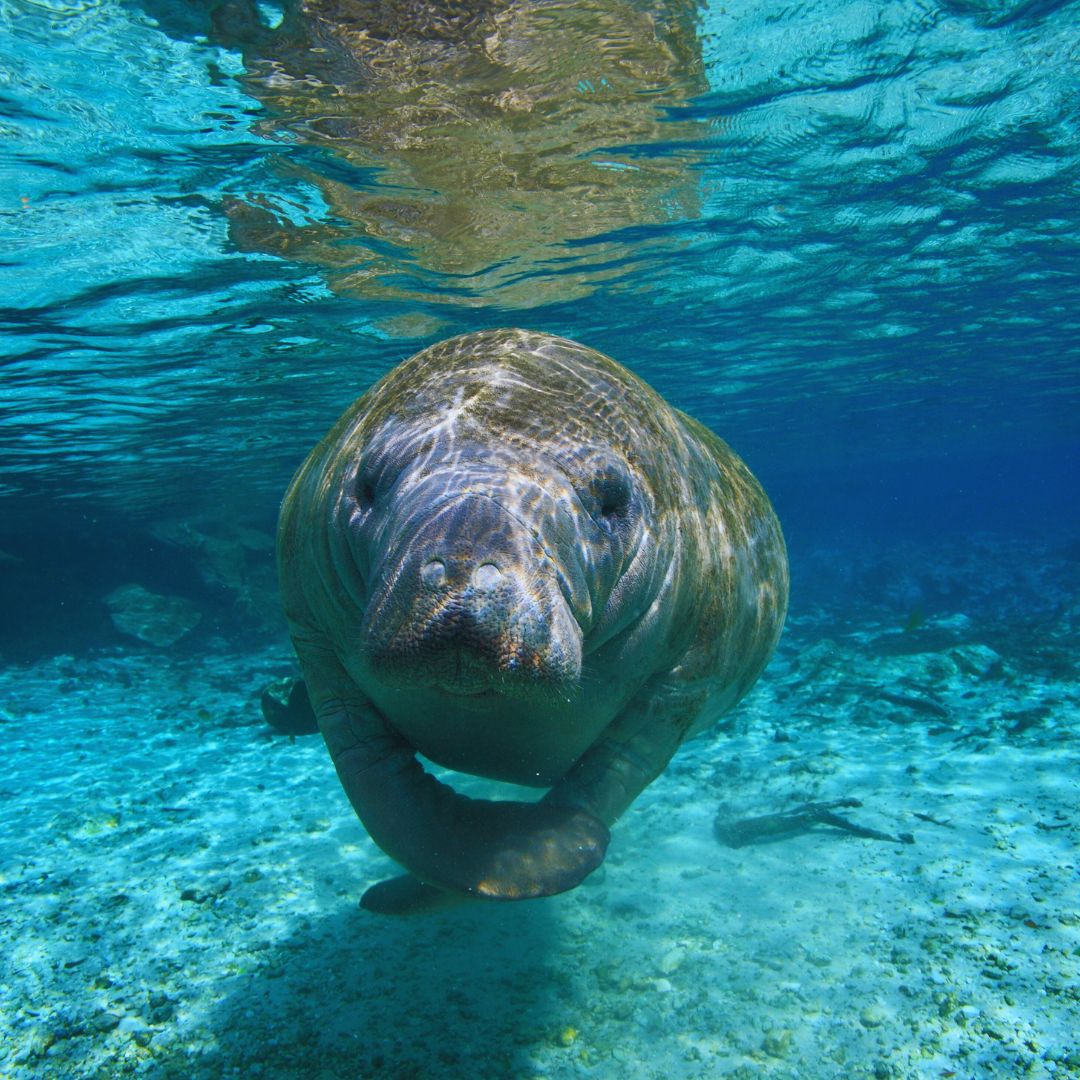
A shallow, calm lagoon on the inland side of the peninsula where West Indian manatees are frequently spotted feeding on seagrass. Some snorkeling in Placencia Belize itineraries combine a lagoon pass with reef stops on the same trip.
You board the boat at Placencia Village dock shortly after sunrise, the hull rocking gently as the captain reviews the morning's route. The ride to Laughing Bird Caye takes thirty minutes, spray misting your face as the boat skips over turquoise shallows.
The caye appears as a narrow strip of sand ringed by coral heads visible beneath the surface. You anchor in twelve feet of water, don mask and fins, and slip over the side.
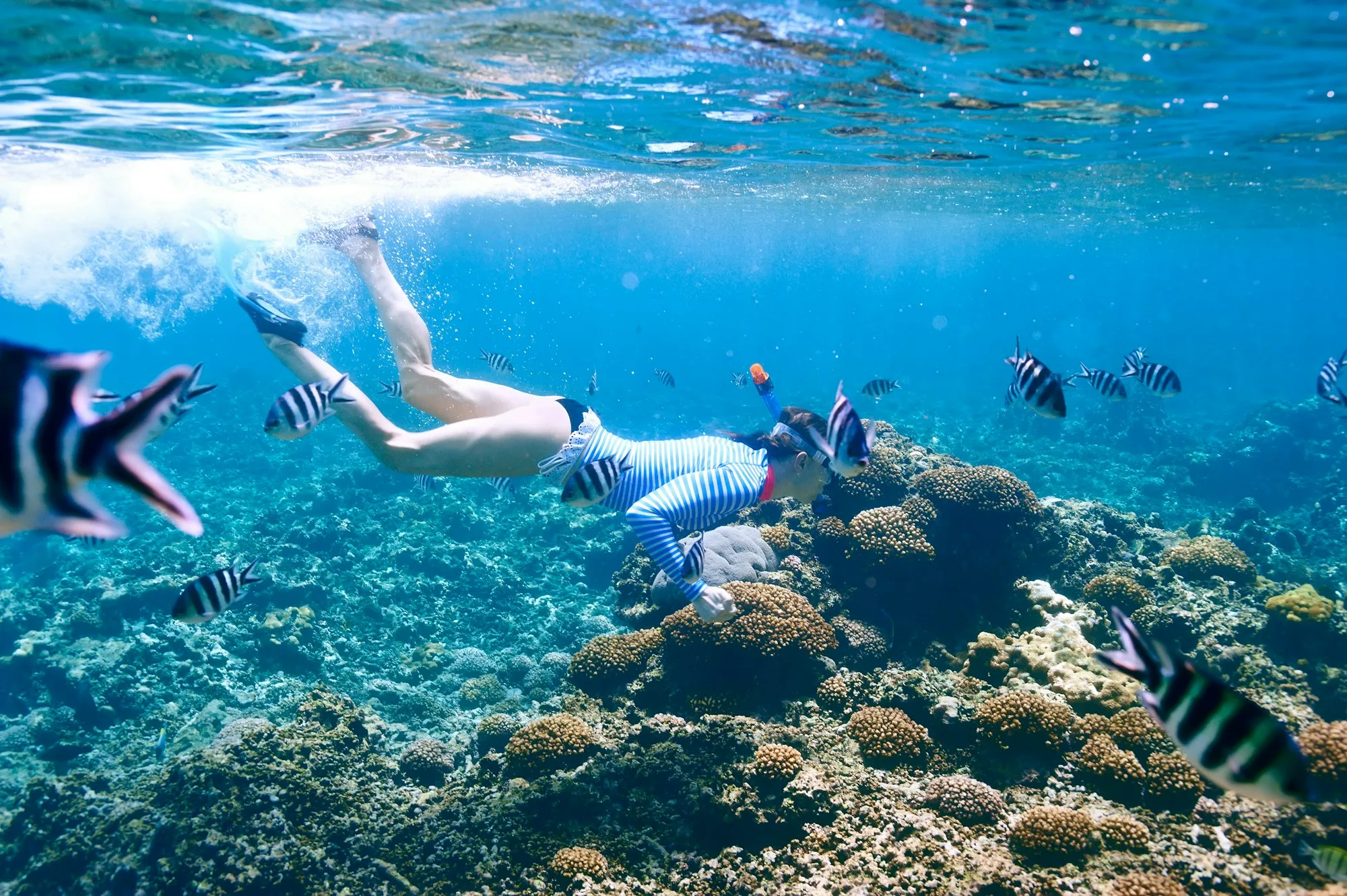
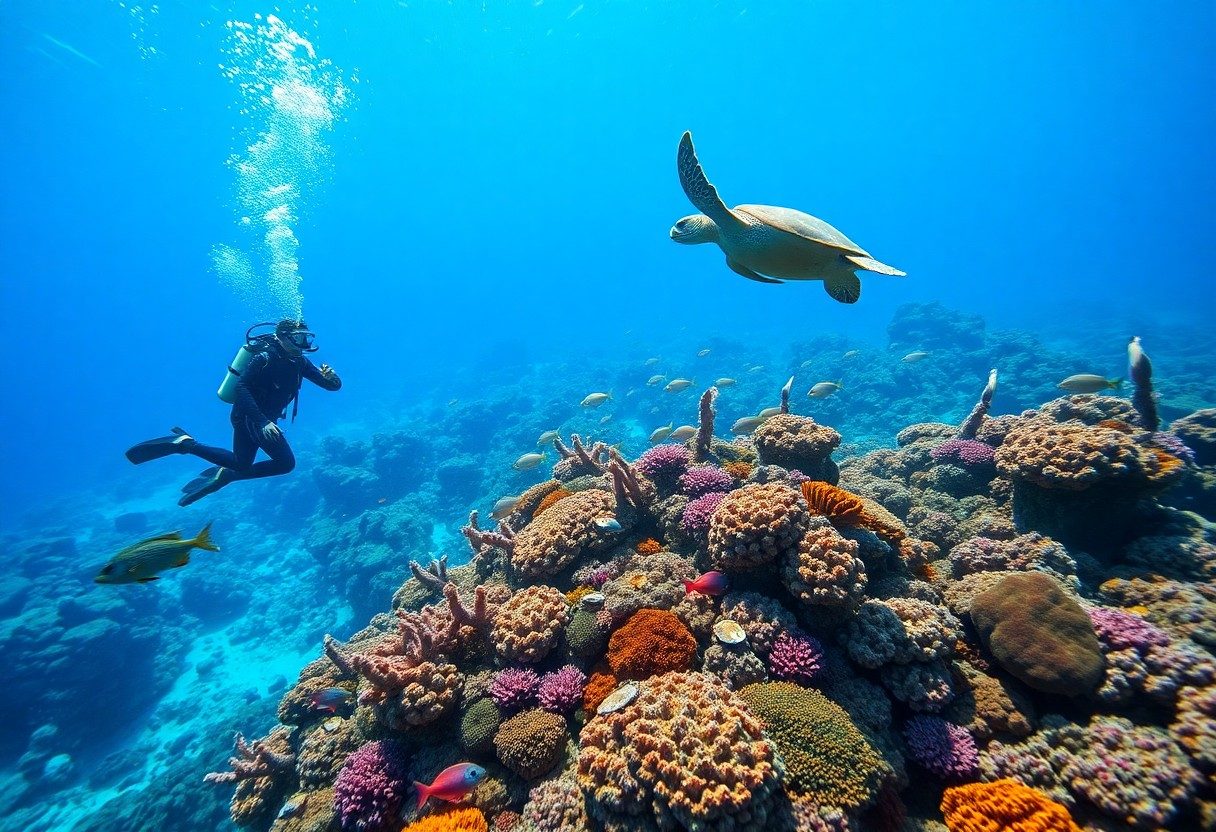
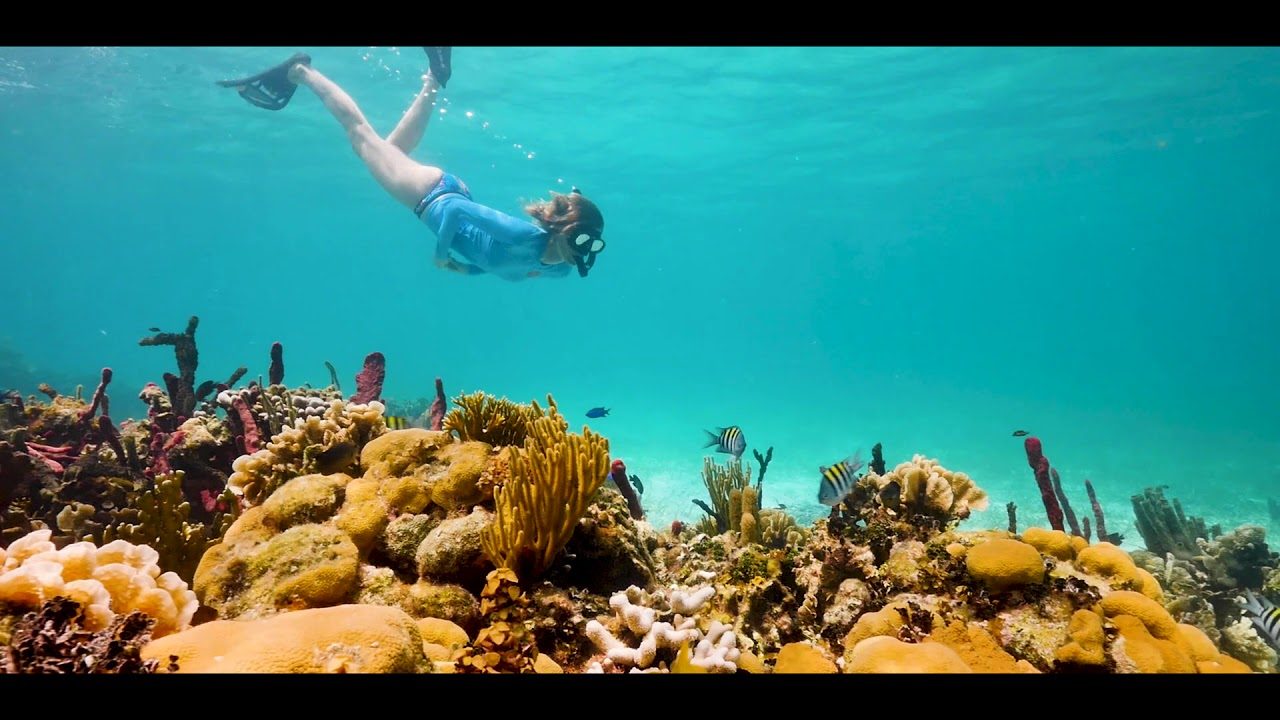
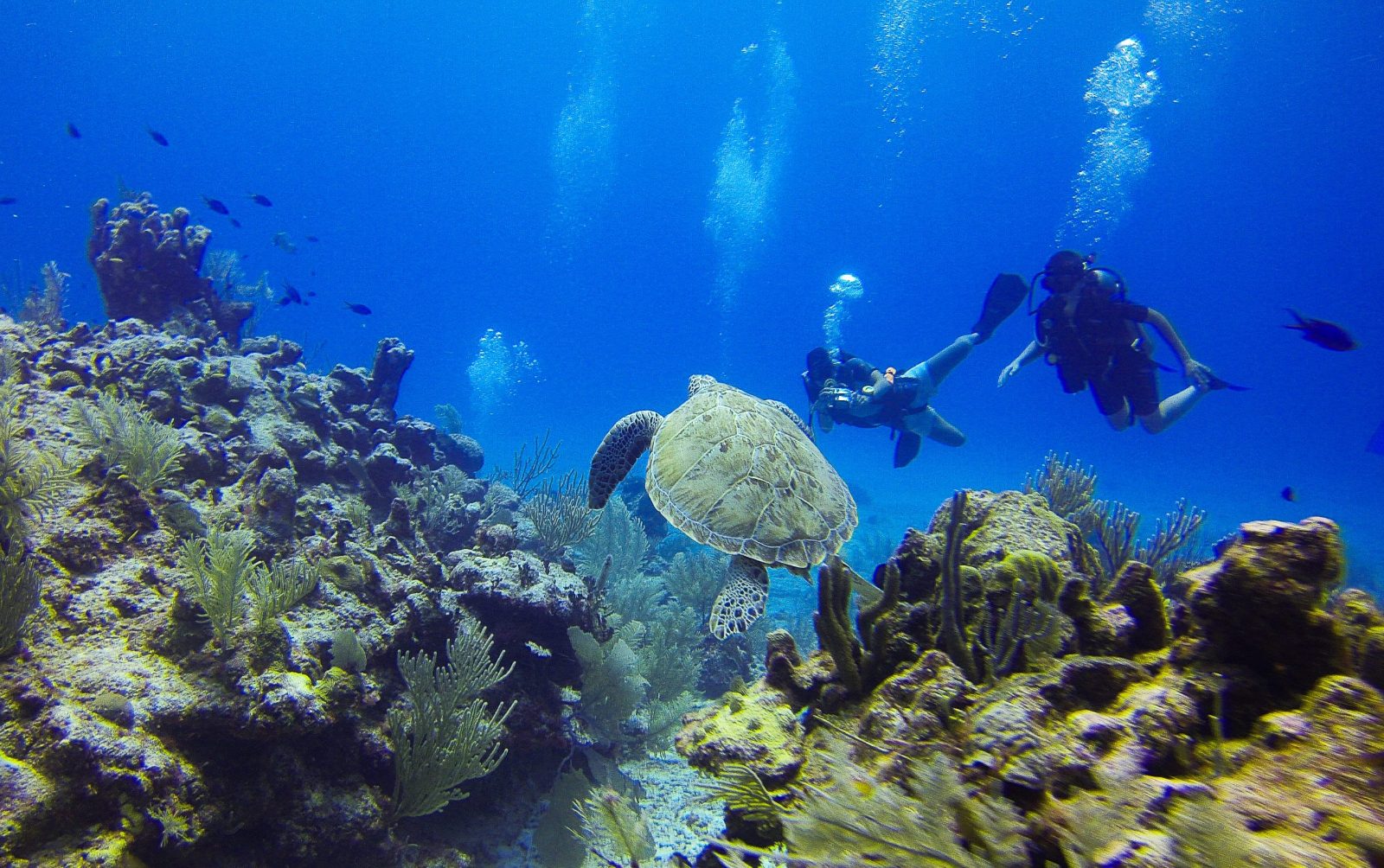
The reef unfolds in tiers. Elkhorn coral branches reach toward the surface, creating shadowed passages where sergeant majors and damselfish dart. You swim along the drop-off, where the sandy floor gives way to deeper formations. A southern stingray glides past, wings rippling. Brain coral heads anchor the middle zone, each one supporting colonies of cleaner shrimp and juvenile parrotfish. You drift with the current, conserving energy, watching a hawksbill turtle graze on sponges growing from a coral ledge.
The boat repositions to a second site near the caye's southern point. Here the coral density increases — purple sea fans, orange sponges, and maze-like formations that shelter lobster and moray eels. Your guide points to a nurse shark resting in a sandy pocket. You surface, adjust your mask, and descend again. An hour passes. The captain signals the return. You climb aboard, saltwater dripping, the reef's architecture still vivid in your mind.
Tous les détails de votre prochaine aventure en un seul endroit
The Belize Barrier Reef stretches 190 miles along the coast, but Placencia Peninsula offers the most direct access from shore. This sixteen-mile sliver of sand and mangrove, pointing south into the Caribbean, lies closer to pristine reef systems than any other mainland settlement in the country.
Charles Darwin surveyed these waters aboard HMS Beagle in 1836, cataloging coral formations he called "the most remarkable reef structure in the West Indies." UNESCO designated the barrier reef a World Heritage Site in 1996, recognizing it as the largest living reef in the Northern Hemisphere and home to over 500 species of fish.
Snorkeling in Placencia Belize centers on two protected cayes. Laughing Bird Caye National Park, seven miles offshore, occupies a narrow coral island surrounded by shallow elkhorn and staghorn formations. The reserve was established in 1991 after decades of unregulated fishing threatened native populations of Nassau grouper and queen conch. Silk Cayes Marine Reserve lies farther south, comprising three uninhabited sand islands ringed by healthy coral gardens. Visibility here routinely exceeds 80 feet. Currents sweep nutrients through channels between the cayes, sustaining dense populations of parrotfish, angelfish, and barracuda. Sea turtles nest on the beaches from May through October.
The Placencia reef system occupies a transition zone between fringing nearshore coral and the outer barrier wall, where the seafloor drops from 15 feet to several hundred. Brain coral heads the size of compact cars anchor shallow patches. Gorgonian sea fans sway in tidal flows. Nurse sharks rest in sandy depressions beneath coral overhangs during daylight hours. The marine reserve conservation fee of 40 BZD per person, collected at departure, funds patrol boats and mooring buoys that prevent anchor damage. Morning departures between 08:00 and 10:00 take advantage of calm seas before afternoon trade winds pick up, a pattern that holds throughout the dry season from November through May and persists even during summer months when brief squalls pass through.
Local operators launch from Placencia Village at the peninsula's southern tip, where a mile-long concrete sidewalk connects guesthouses and tour kiosks. The journey to Laughing Bird Caye takes thirty minutes by boat. Silk Cayes require forty-five minutes. Guides brief passengers on reef etiquette during transit: no touching coral, no feeding fish, no standing on formations. Most tours include two or three snorkel sites, allowing time to drift over varied terrain. The reef continues to recover from 1998 bleaching events and 2001 hurricane damage, but coral cover now exceeds 40 percent in protected zones, a figure that rivals pre-disturbance baselines.
The Belize Barrier Reef remains the largest living reef in the Northern Hemisphere, with visibility routinely exceeding 80 feet at protected offshore cayes.
Wear a swimsuit under lightweight, quick-dry clothing since you'll be in and out of the water most of the trip. Rash guards or swim shirts are recommended for sun protection on the reef, and closed-toe water shoes help on boat decks and rocky cayes.
Bring only a small dry bag or waterproof pouch since boats have limited dry storage space. Operators running snorkeling in Placencia Belize tours typically do a quick gear check before departure to confirm masks, fins, and life vests fit properly.
Underwater cameras and GoPros are welcome and encouraged on the reef, but housings must be rated for depths of at least 5 meters. Flash photography is unnecessary in Caribbean daylight conditions and drone use over the marine reserve requires separate permitting.
Children generally need to be comfortable in open water and able to wear a mask and snorkel; most operators set a minimum age around 5-6 years. Life vests are provided for young or inexperienced swimmers on all snorkeling in Placencia Belize tour boats.
Boat access to reef sites involves stepping down from a dock or boat ladder, which is difficult for wheelchair users or those with limited mobility. Guides can assist swimmers who need extra support, but there is no dedicated accessible entry point at most cayes visited.
Bottled water and light snacks are commonly provided on half-day and full-day boat trips, but reef-safe sunscreen must be used to protect coral. Eating is restricted to the boat deck; food is not permitted in the water or on the reef itself.
Reef access unrestricted, tours depart by boat schedule
Midweek, typically lighter boat traffic
Weekend boat traffic starts building
Busiest day for tour departures
Best arrival window
08:00–10:00 for calmer seas and better visibility
Opening hours
00:00 – 23:59
Getting there
City-center access via metro and bus
Accessibility
Most experiences are wheelchair-friendly — check individual tours
What to bring
Comfortable shoes, water, phone for mobile voucher
Car · 1.5-2 hours from Belize City · Fuel cost only, no toll roads
Drive south along the Placencia Road from the Southern Highway; the peninsula road ends at Placencia Village. Parking is available near the main dock and marina areas.
Public transport · 2-3 hours from Belize City · Bus fare approx 10-16 BZD
Local buses run from Dangriga and Independence Village to Placencia several times daily, though schedules vary seasonally. From Independence, a water taxi crosses the lagoon directly to Placencia.
Taxi · 2-2.5 hours from Belize City airport · Shared shuttle or private taxi rates vary
Taxis and shuttle vans connect Placencia with the Philip Goldson International Airport and Dangriga bus terminal on request.
Walk · 5-15 minutes · Free
Once in Placencia Village, the main dock and marina departure points are walkable from most hotels along the peninsula.
Most snorkeling in Placencia Belize tours allow free cancellation up to 24 hours before departure, with a full refund minus the 40 BZD marine reserve conservation fee where already collected. Cancellations made after this window or no-shows are typically non-refundable due to boat and guide logistics.
Recommended time
Half a day (6-7 hours)
A full snorkeling in placencia belize outing runs 6 to 7 hours door to door once you count boat transfer, two or three reef stops, and the ride back in. Boats leaving in the 08:00-10:00 window reach the Belize Barrier Reef while seas are calmer and morning light keeps visibility clearer, so build your day around an early departure rather than a late one. Add 30-45 minutes if check-in involves fitting gear or a briefing at the dock, and subtract time only if you book a shorter two-stop route. There is no ticket queue since reserve access is by boat, but marina check-in can bottleneck if several tours push out at once, so arriving promptly still matters.
Crowd levels through the day
Météo · affluence · prix moyen — les points passent du vert à l'orange puis au rouge à mesure que chaque indicateur augmente.
Calmest seas and clearest water for snorkeling in Placencia Belize, with air temperatures around 27-30°C. This is peak tourist season, so boats can book out days ahead.
Warm water around 28°C with occasional afternoon showers typical of the Caribbean wet season onset. Crowds thin slightly compared to spring, making morning departures easier to book.
September through November carries the highest storm risk in Belize, and operators may cancel trips on short notice due to wind and swell. Visibility can drop after heavy rain runoff.
Trade winds pick up, occasionally choppier seas in the afternoon, but mornings remain good for snorkeling in Placencia Belize excursions. Holiday weeks (mid-Dec to early Jan) see higher demand.
Boats heading out for snorkeling in Placencia Belize between 08:00 and 10:00 encounter calmer seas before afternoon trade winds pick up chop. This window also tends to offer clearer underwater visibility for spotting reef fish.
The 40 BZD marine reserve fee is often collected in cash on the boat or at the ranger station, so keep bills handy separate from your dry bag. Not all operators accept card payment for this fee.
Standard sunscreens containing oxybenzone are restricted near the Belize Barrier Reef to protect coral health. Mineral-based, reef-safe formulas are sold in most Placencia Village shops if you forget to pack one.
Trips to outer cayes like Silk Caye involve 30-45 minutes of open-water boat travel each way, which can be rough for sensitive stomachs. Taking motion sickness medication beforehand is common advice from local guides.
Even in warm weather, wind chill on an open boat can feel cool, especially on the return trip when clothing is still wet. A light windbreaker or towel wrap helps.
Some snorkeling in Placencia Belize tour operators depart from the village dock while others use the marina, so confirm your exact meeting point the day before.
Placencia Peninsula, Stann Creek District, Belize
Main departure point for most boat tours, arrive 20-30 min early
Get directions
Placencia Peninsula, Stann Creek District, Belize
Alternate departure point used by some larger tour boats
Get directionsThe Belize Barrier Reef, where snorkeling in Placencia Belize flourishes today, began forming roughly 500 million years ago as coral polyps colonized the shallow continental shelf. By the time Spanish explorers charted these waters in the early 1500s, the reef stretched 190 miles along the coast, already the second-longest barrier reef system on Earth. Colonial timber operations and sporadic fishing expeditions left the reef largely untouched until the mid-20th century, when Caribbean tourism infrastructure reached southern Belize. Placencia transformed from a subsistence fishing village into a reef gateway in the 1980s, propelled by adventure-travel operators who recognized the peninsula's proximity to pristine coral gardens. The Laughing Bird Caye National Park, established in 1991 just eleven miles offshore, became a pivot point for conservation—its no-take zones protecting elkhorn coral colonies and nurse shark nurseries that commercial harvesting had threatened. That same decade, the United Nations designated the entire Belize Barrier Reef Reserve System a World Heritage Site in 1996, codifying protections that now govern every snorkeling in Placencia Belize tour. The early 2000s brought renewed pressure: coastal development and agricultural runoff triggered coral bleaching events in 2005 and 2010, prompting stricter marine reserve regulations and the forty-dollar conservation fee instituted in 2012. Hurricane Earl's 2016 passage damaged shallow reef structures near Silk Cayes, accelerating coral-restoration projects led by the Placencia chapter of Fragments of Hope. By 2020, satellite monitoring confirmed recovery rates exceeding projections, with staghorn coral coverage rebounding to pre-bleach densities. Today the reef system attracts researchers studying climate-resilient coral genotypes, ensuring that the underwater landscapes visited by modern travelers remain anchored in active science and adaptive stewardship.
Coral polyps begin colonizing the Belizean continental shelf.
Spanish explorers chart the barrier reef extending 190 miles along the coast.
Placencia shifts from fishing village to reef tourism hub as operators arrive.
Laughing Bird Caye National Park established to protect offshore coral gardens.
UNESCO designates Belize Barrier Reef Reserve System a World Heritage Site.
Coral bleaching events trigger stricter marine reserve regulations.
Forty-dollar conservation fee implemented to fund reef protection programs.
Hurricane Earl damages shallow structures; coral restoration projects accelerate.
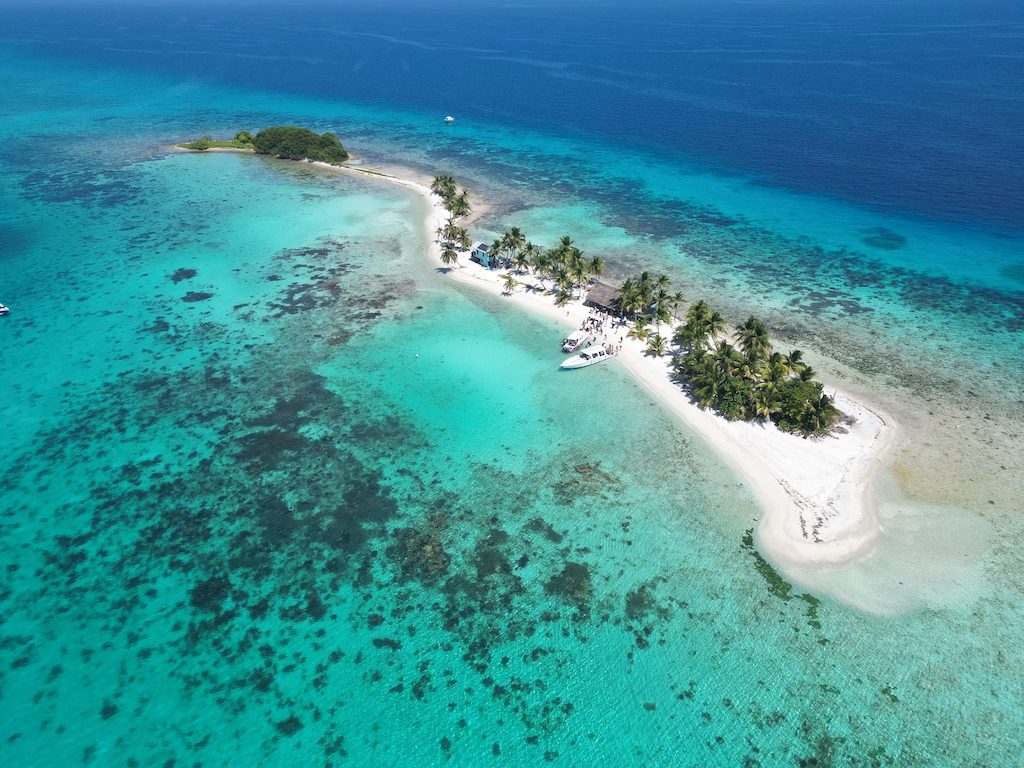
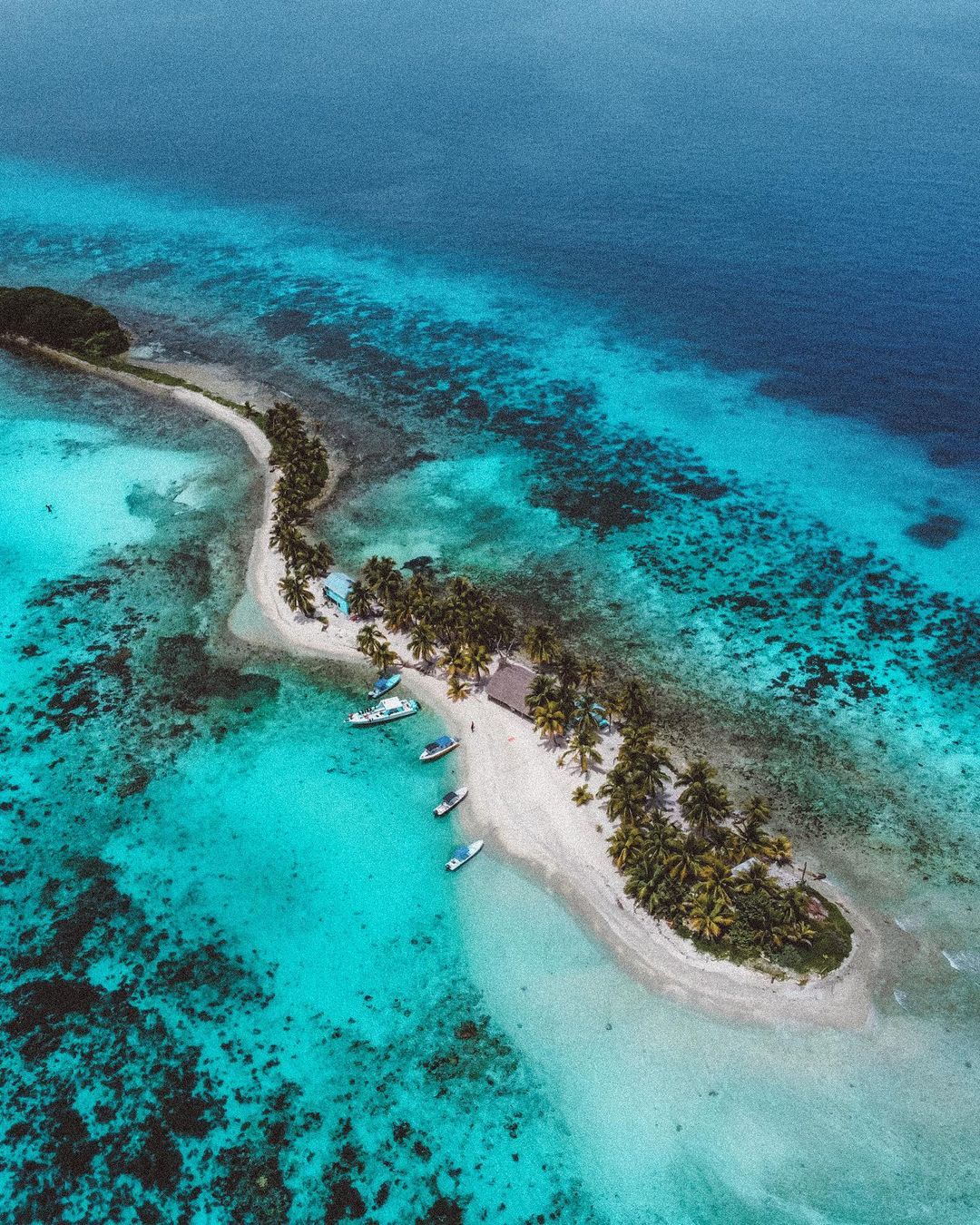
Stand at the narrow sandy tip of this caye for a shot framing turquoise shallows on both sides, with the reef wall dropping into deeper blue just off the beach. This is one of the signature vantage points for snorkeling in Placencia Belize, since the caye's split coastline lets you capture reef and open water in one frame.
From the drop-off just past the shallows, the coral wall descends sharply, giving underwater shots strong depth and visible fish activity along the ledge. Best captured just below the surface near the mooring line where the water clarity is highest.
The shallow coral gardens here spread out just a few meters from the boat anchorage, with coral heads and sea fans close enough to the surface for natural light photography without deep diving. Position yourself near the outer edge of the gardens where nurse sharks and rays often pass.
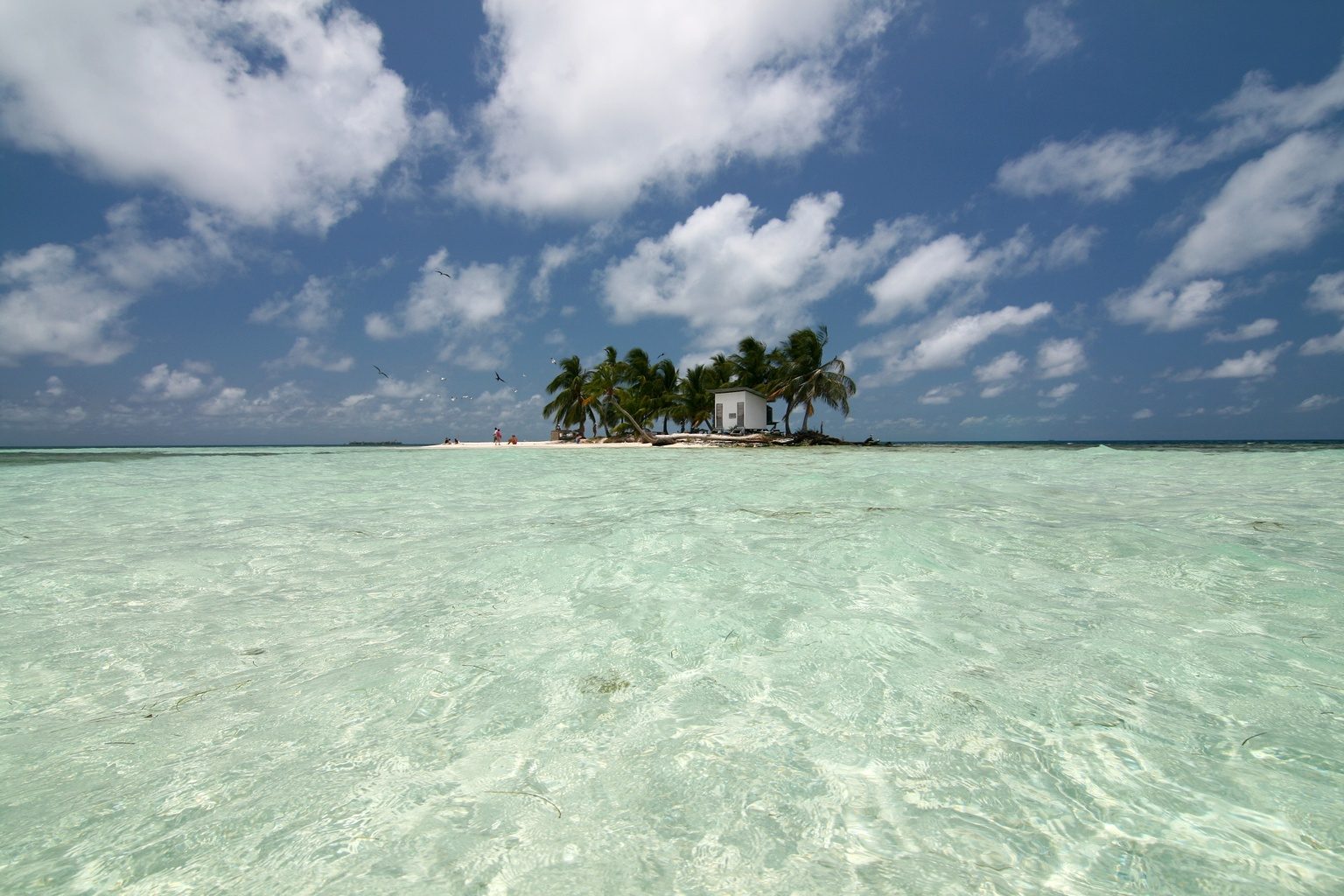
The small sandbar at Silk Cayes offers a classic reef-to-shore composition, with the fringing reef visible as a darker line in the water just beyond the swimming area. Shoot from the beach looking seaward for the clearest horizon separation.
From the upper deck during the crossing, the long unbroken line of the Belize Barrier Reef appears as a pale band breaking the swell, best framed with the boat's bow or railing as foreground. This angle works only while underway, before the boat slows to anchor.
Snorkeling in Placencia Belize with kids means an early start and a full day on open water, so families should plan around energy levels and sun exposure rather than just the reef itself. Choosing between a calmer nearshore trip and a longer offshore day is really a decision about how much boat time your children can handle.
Laughing Bird Caye is the gentler choice for young kids since it stays closer to shore, while Silk Cayes and Private Island days run 6+ hours round trip and suit kids who are confident swimmers and comfortable on boats.
Give kids a light breakfast and any motion-sickness remedy your pediatrician approves at least 30 minutes before the 08:00–10:00 departure window, and have them sit toward the boat's center where motion is less pronounced.
Reapply reef-safe sunscreen every couple of hours and pack a rash guard or UV shirt, since a 6+ hour day on open water burns kids faster than they realize until it's too late.
Bring more water and snacks than you think you need, as boats often have limited shade and no on-board food service between reef stops.
On longer Silk Cayes or Private Island itineraries, ask the operator about built-in breaks on the caye itself so younger kids can rest off the water between snorkel sessions.
Most snorkeling in Placencia Belize trips depart early from the village dock, so breakfast happens beforehand at a nearby café rather than on the boat, and dinner options cluster along the famous sidewalk once you're back on land.
Quick crepes, coffee and fruit smoothies before an early boat, rarely crowded before 8am, good for a fast pre-trip bite
Belizean-style breakfast plates and fry jack with eggs, popular with tour groups fueling up, seating fills by 7:30am
Espresso drinks and pastries steps from the main pedestrian path, a reliable stop if the dock café has a line
Seafood-forward dinner menu with ceviche and grilled catch, busiest at sunset, best reserved after a full day on the reef
Casual grilled fish and burgers steps from the sand, suits a relaxed post-snorkel lunch or early dinner
Land-based complement for a non-boat day, sampling stewed chicken, rice and beans and other Creole staples across several village stops.
Tout ce que vous devez savoir pour votre voyage
The Belize Barrier Reef marine area is accessible 24 hours daily, but boat departures for snorkeling in Placencia Belize tours are scheduled by individual operators, typically starting between 08:00 and 10:00 for the best sea conditions.
Boat access typically requires stepping down a dock ladder, which is difficult for wheelchair users or visitors with significant mobility limitations. Guides can offer hands-on assistance for swimmers who need extra support in the water.
Prohibited items include spearfishing equipment, glass containers, coral or shell collection tools, single-use plastic bags, and non-reef-safe sunscreen. A full list is enforced to protect the marine reserve ecosystem.
Yes, underwater cameras and GoPros are welcome and commonly used on snorkeling in Placencia Belize tours, though housings should be rated for at least 5 meters depth.
The dry season from February through May offers the calmest seas and clearest visibility for snorkeling in Placencia Belize, though it's also the busiest booking period. Summer mornings are a good alternative with slightly lighter crowds.
Wear a swimsuit under quick-dry clothing, and consider a rash guard for sun protection during the swim. Closed-toe water shoes are useful for boat decks and rocky caye landings.
Most half-day and full-day boat trips include bottled water and light snacks, though eating is restricted to the boat deck rather than in the water.
The main departure points are Placencia Village Dock and Placencia Marina, both on the Placencia Peninsula, Stann Creek District, Belize; most hotels in the village are within a short walk of these docks.
Yes, most operators welcome children from around age 5-6 who are comfortable wearing a mask and snorkel, and life vests are provided for younger or less confident swimmers.
Most snorkeling in Placencia Belize tickets can be cancelled free of charge up to 24 hours before departure, with refunds minus any already-collected 40 BZD conservation fee; late cancellations are generally non-refundable.
Nearby options include the Placencia Sidewalk, Placencia Lagoon for manatee spotting, and Maya Beach, all within a short walk or drive of the main snorkeling departure points.
Yes, a 40 BZD marine reserve conservation fee per person applies, funding reef ranger patrols and maintenance within the Belize marine reserve system.
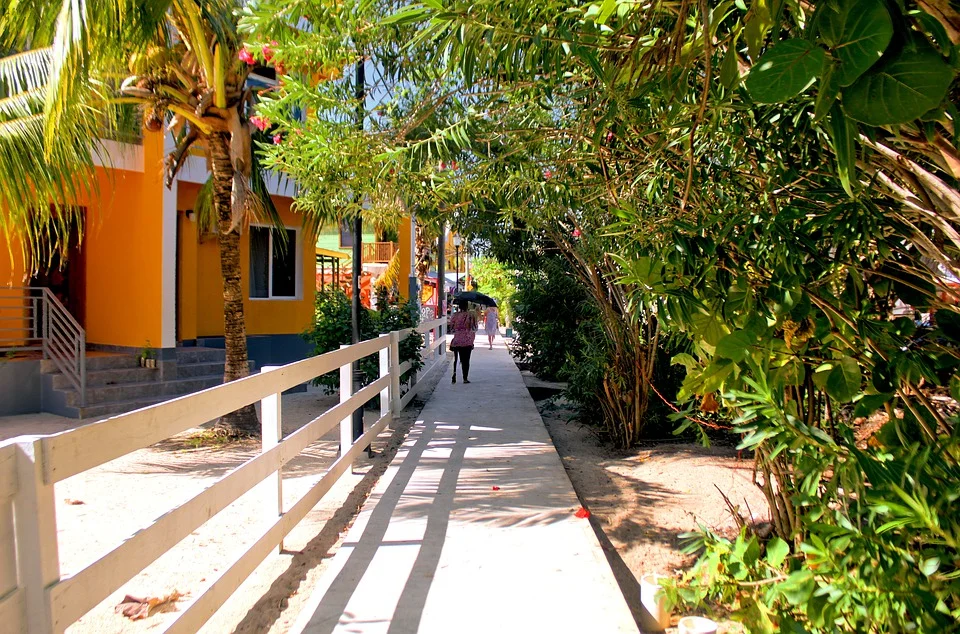
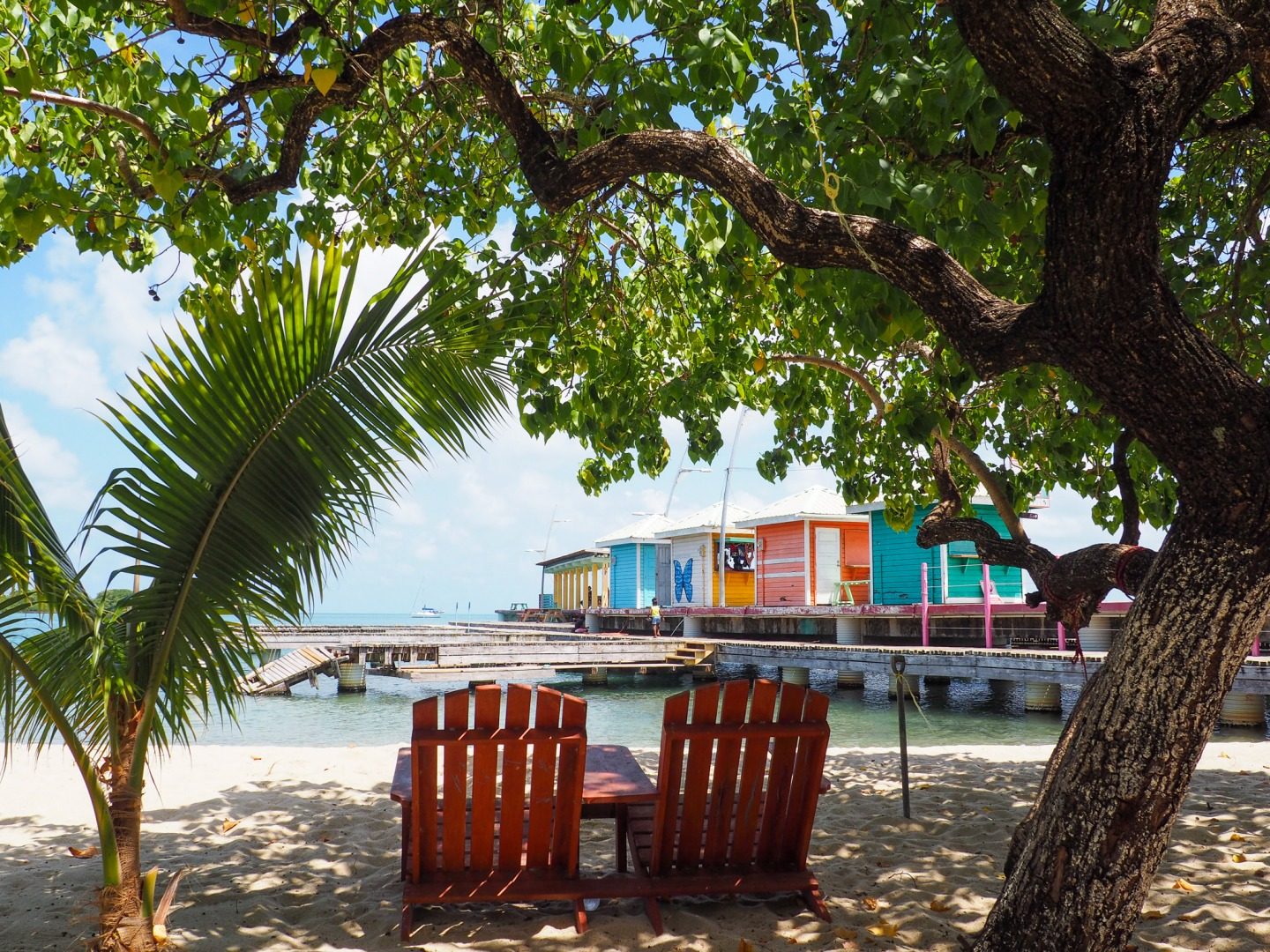
Known as the world's narrowest main street, this concrete sidewalk runs the length of Placencia Village lined with shops and restaurants.
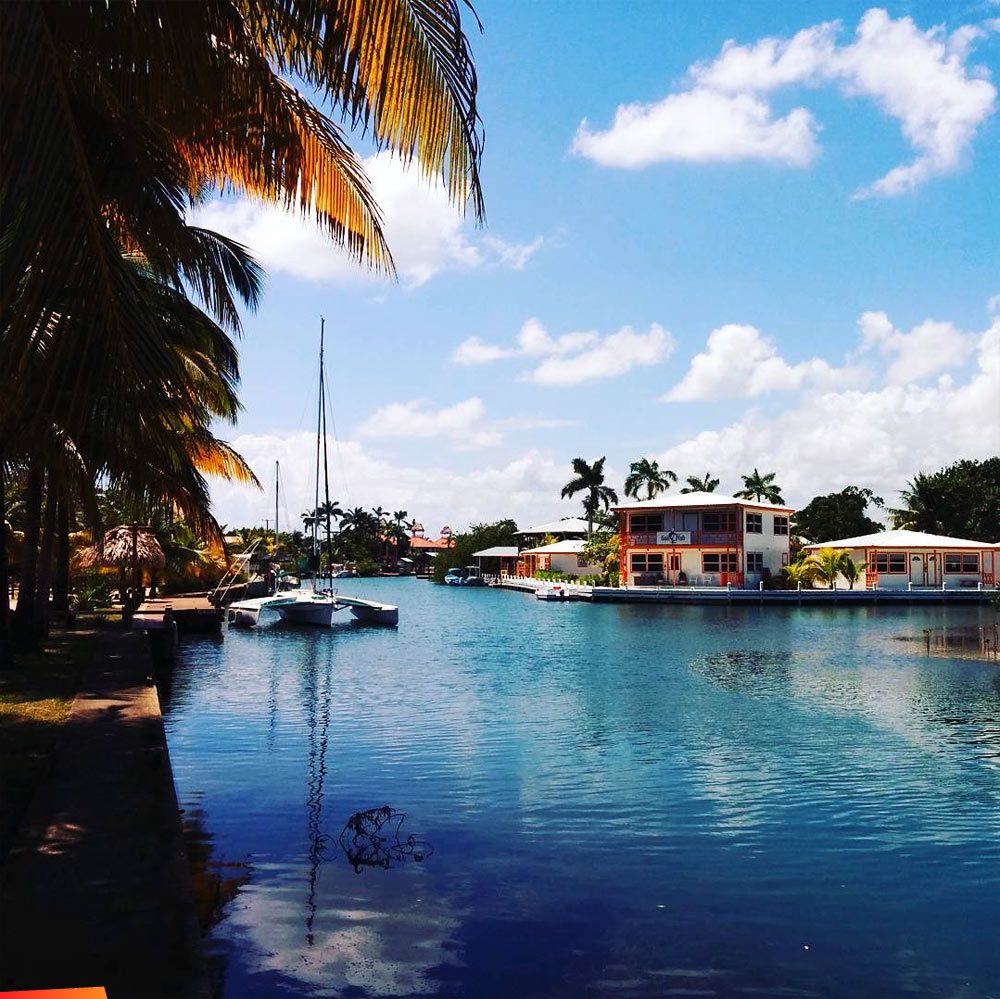
A calm inland waterway popular for spotting manatees and watching sunset away from the open sea.
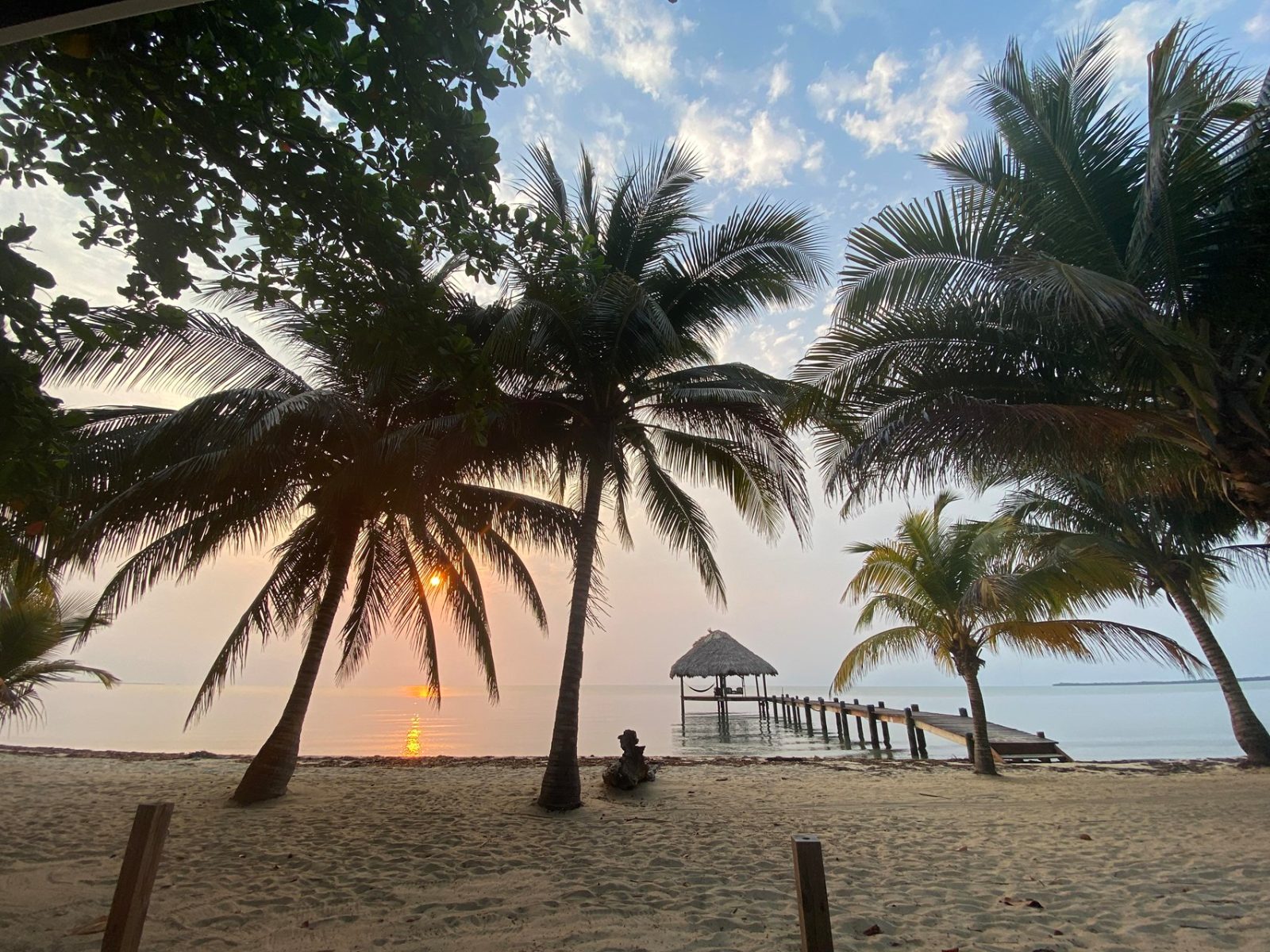
A quieter stretch of sand north of the village center with palm-lined shoreline and fewer crowds.
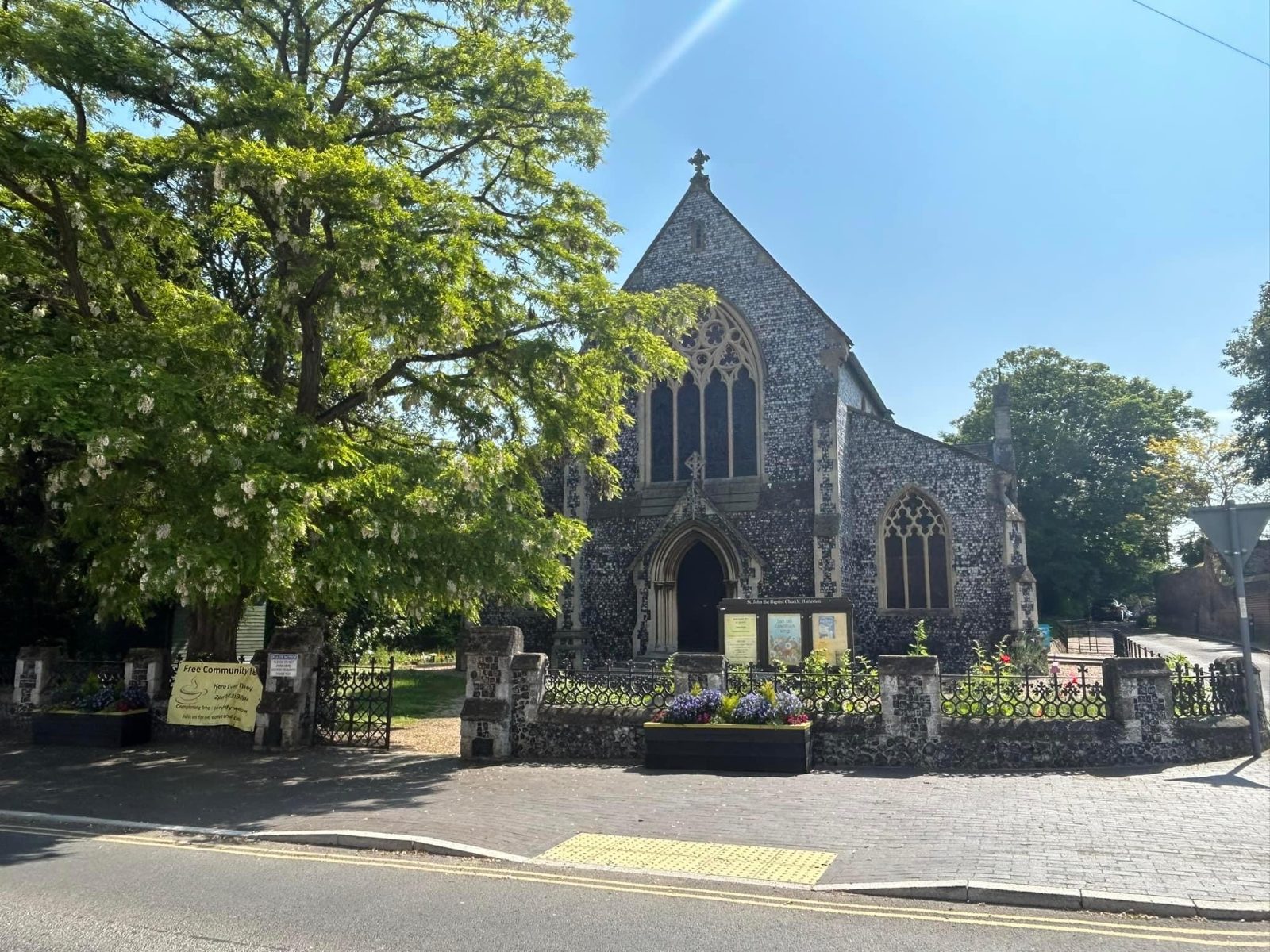
A small historic wooden church reflecting the village's Garifuna and Creole cultural roots.
Central area with a mix of guesthouses and small hotels close to the main dock and sidewalk.
Quieter beachfront lodges north of the village, popular with couples seeking a slower pace.
A Garifuna village with budget guesthouses between Maya Beach and Placencia Village.
Southern tip of the peninsula with beachfront hotels near the airstrip and main dock.
Rejoignez des milliers de voyageurs heureux qui ont découvert cette expérience incroyable
Réservez votre expérience maintenant