2 hr 30 min
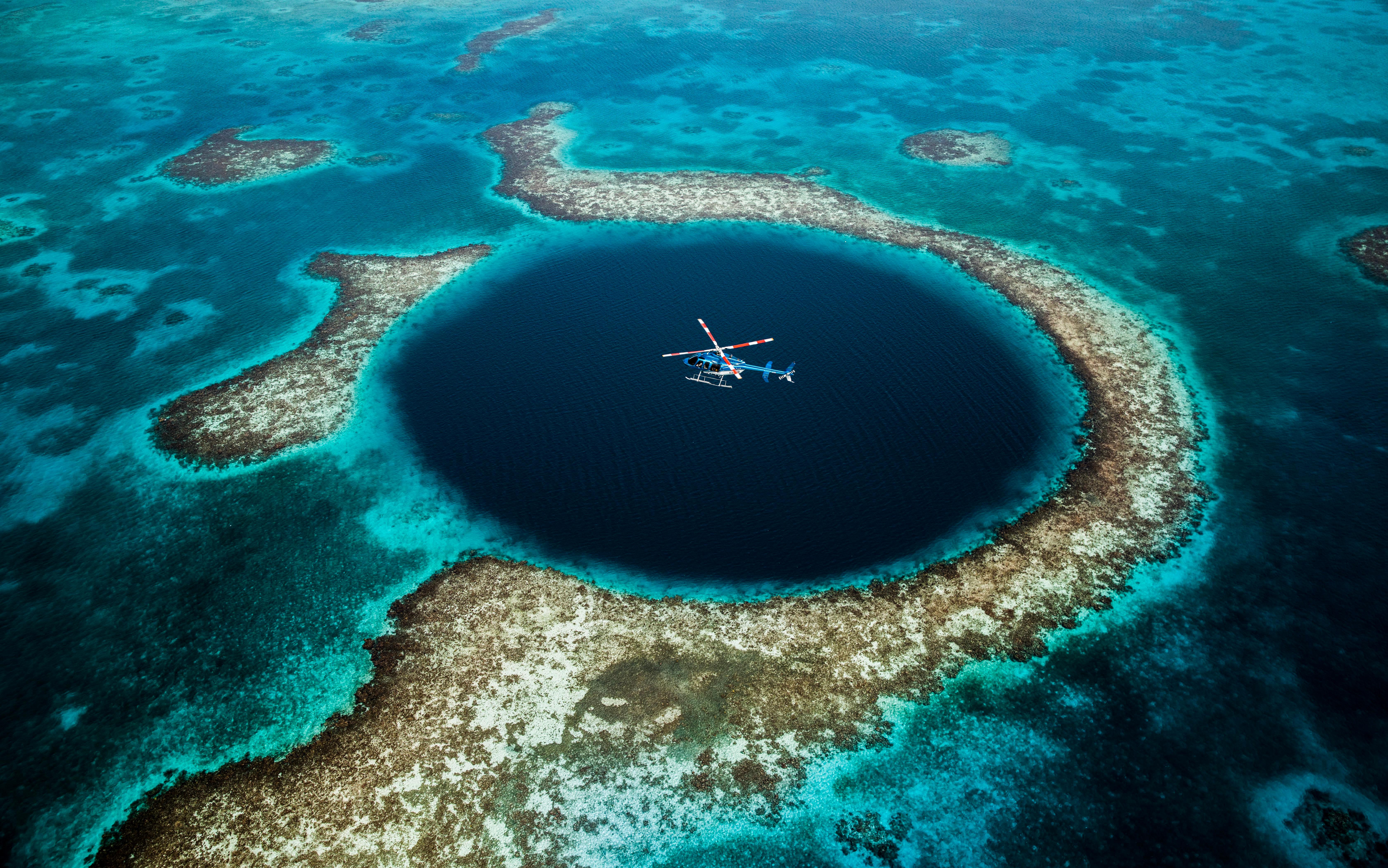
Blue Hole & Turneffe Islands Helicopter Adventure
- Private experience
- Personal attention
- Premium amenities
- Free cancellation
Snorkeling in Belize Blue Hole — Caribbean Sinkhole Expeditions
Descend into the world's most famous marine sinkhole, where sapphire walls meet open ocean
Compare fares, pick the fit — all bookings are mobile-voucher and eligible for free cancellation where shown.
2 hr 30 min
2 hr
5 hr 30 min
| Experience | Duration | Rating | Transfers | Pickup | Free cancel. | Price | |
|---|---|---|---|---|---|---|---|
|
Luxury / Private
Most popular
Blue Hole & Turneffe Islands Helicopter Adventure
|
2 hr 30 min | ★ 5.0 | — | ✓ | ✓ | $940 | Book → |
|
Standard Entry
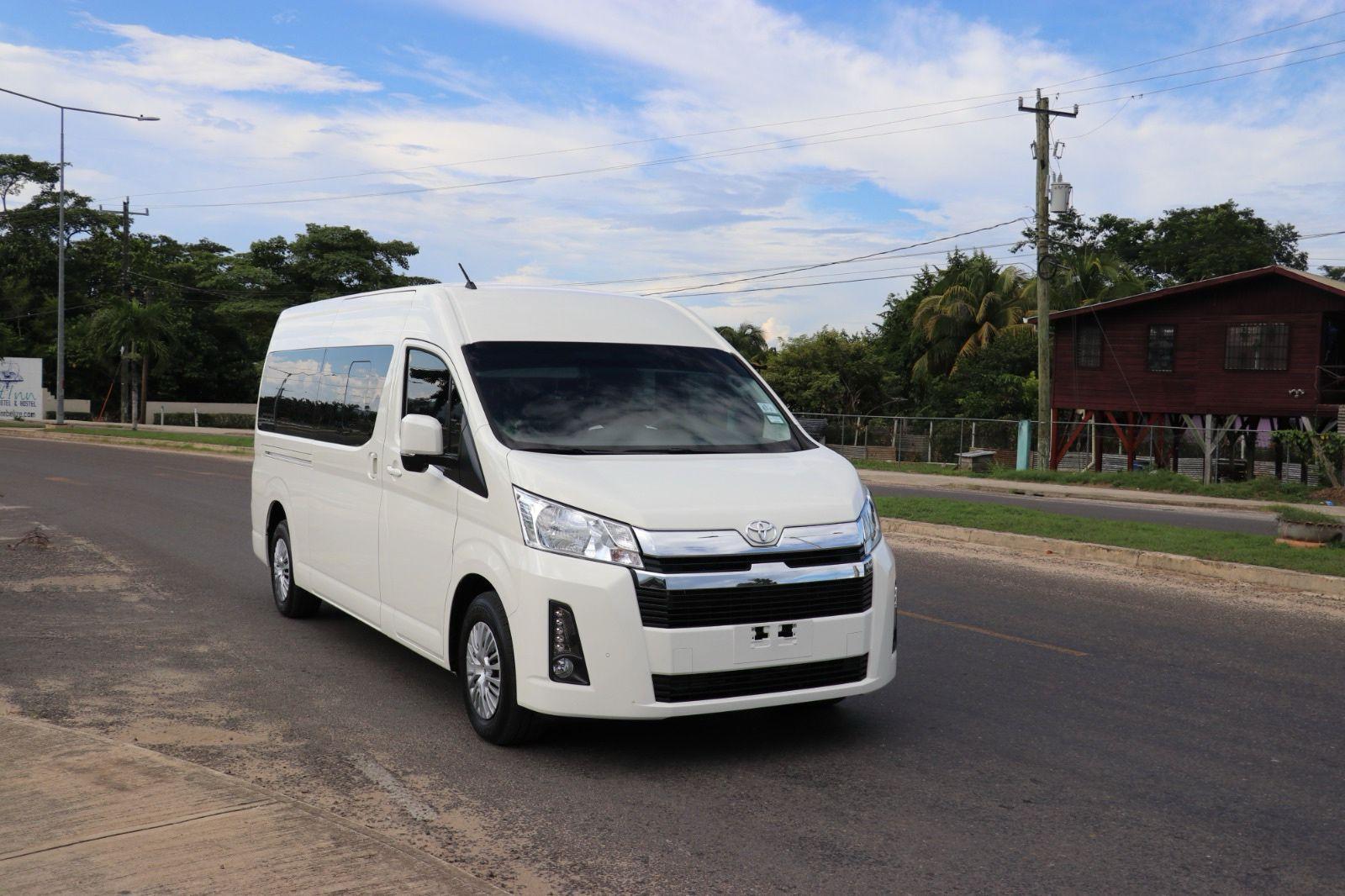
Belize City to San Ignacio Shuttle Transfer
|
2 hr | ★ 4.9 | ✓ | ✓ | ✓ | $68 | Book → |
|
Standard Entry
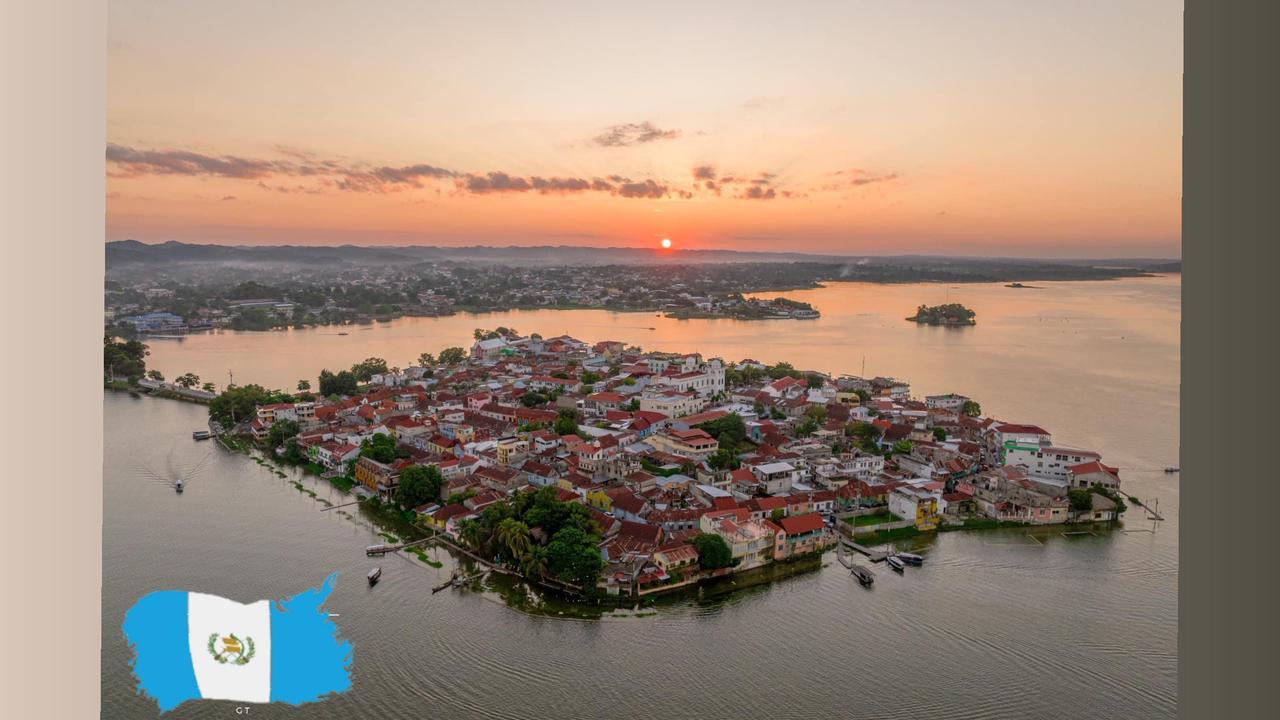
Belize City to Flores Guatemala Border Transfer
|
5 hr 30 min | ★ 4.2 | ✓ | ✓ | ✓ | $18 | Book → |
Worth it only if you book the helicopter tour
The 40 USD Blue Hole Natural Monument park fee grants access to Lighthouse Reef Atoll, but snorkeling in belize blue hole delivers limited value compared to diving. The famous sapphire sinkhole drops 410 feet—far beyond snorkel depth—so you'll circle the rim seeing shallow coral and reef fish, not the stalactite formations or vertical walls that made this UNESCO site legendary. Most snorkelers report the surrounding atolls offer better marine life visibility than the Blue Hole itself. The only bookable option reaching the site is the Blue Hole & Turneffe Islands Helicopter Adventure, which pairs aerial views of the circular formation with snorkel stops at healthier reef sections. For budget travelers, that helicopter tour runs significantly higher than the park fee alone, and standard boat charters from San Pedro or Caye Caulker (not listed here) require 2–3 hour each-way crossings through open water. Snorkeling in belize blue hole tours make sense for travelers prioritizing the iconic aerial perspective and who accept that the underwater experience favors divers.
Bottom line: Pay the 40 USD only if you're booking the helicopter tour—boat snorkelers get better value at Half Moon Caye or Turneffe directly.
They complement each other rather than compete directly, but for pure underwater life most visitors call Caye Caulker Marine Reserve the more rewarding snorkeling in Belize Blue Hole is closer to a scenic dive-site pilgrimage than a fish-watching trip.
|
Top pick Belize Blue Hole |
Caye Caulker Marine Reserve | |
|---|---|---|
| What you see underwater | Deep blue sinkhole walls, stalactite formations, occasional reef sharks | Nurse sharks, stingrays, sea turtles, dense reef fish |
| How you get there | Boat (2-3 hr crossing) or helicopter overflight | Short boat ride (10-20 min) from Caye Caulker village |
| Typical trip duration | Full-day boat trip | Half-day tour (3-4 hours) |
| Skill level needed | Advanced — open-water swimming, some sites need certification | Beginner-friendly, fins and vest usually enough |
| Price range | 40 USD park fee plus tour operator cost | Typically 35-60 USD per person, gear included |
| Best for | Divers and bucket-list sightseers wanting the iconic sinkhole | Families and casual snorkelers wanting abundant marine life |
| See tickets & prices |
Verdict: Choose the Blue Hole for the iconic sinkhole scenery and a serious dive-trip feel, and choose Caye Caulker Marine Reserve when the priority is close, easy encounters with sharks, rays, and reef fish.
Hand-picked experiences loved by thousands of travelers
5 hours 20 minutes
Free Cancellation
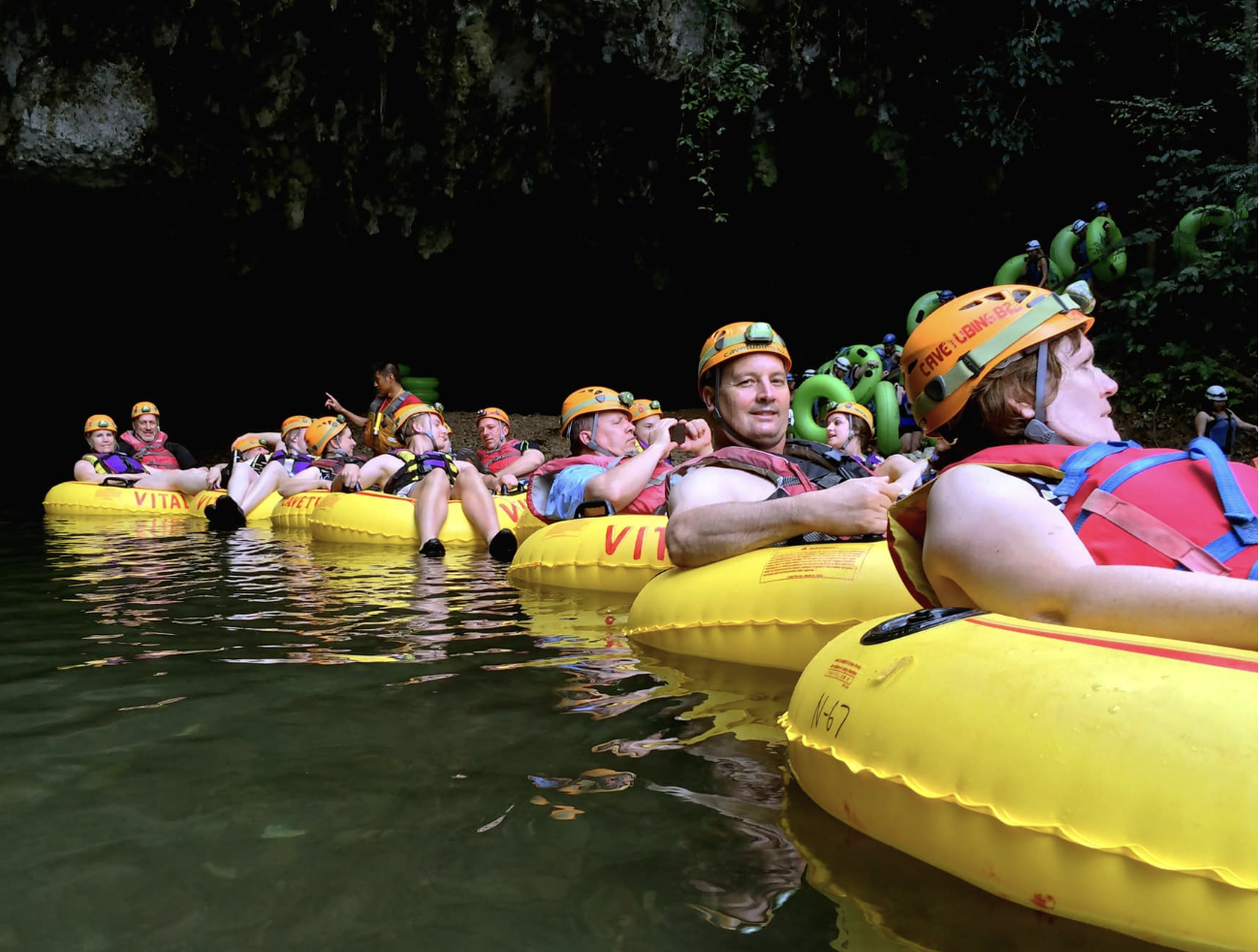
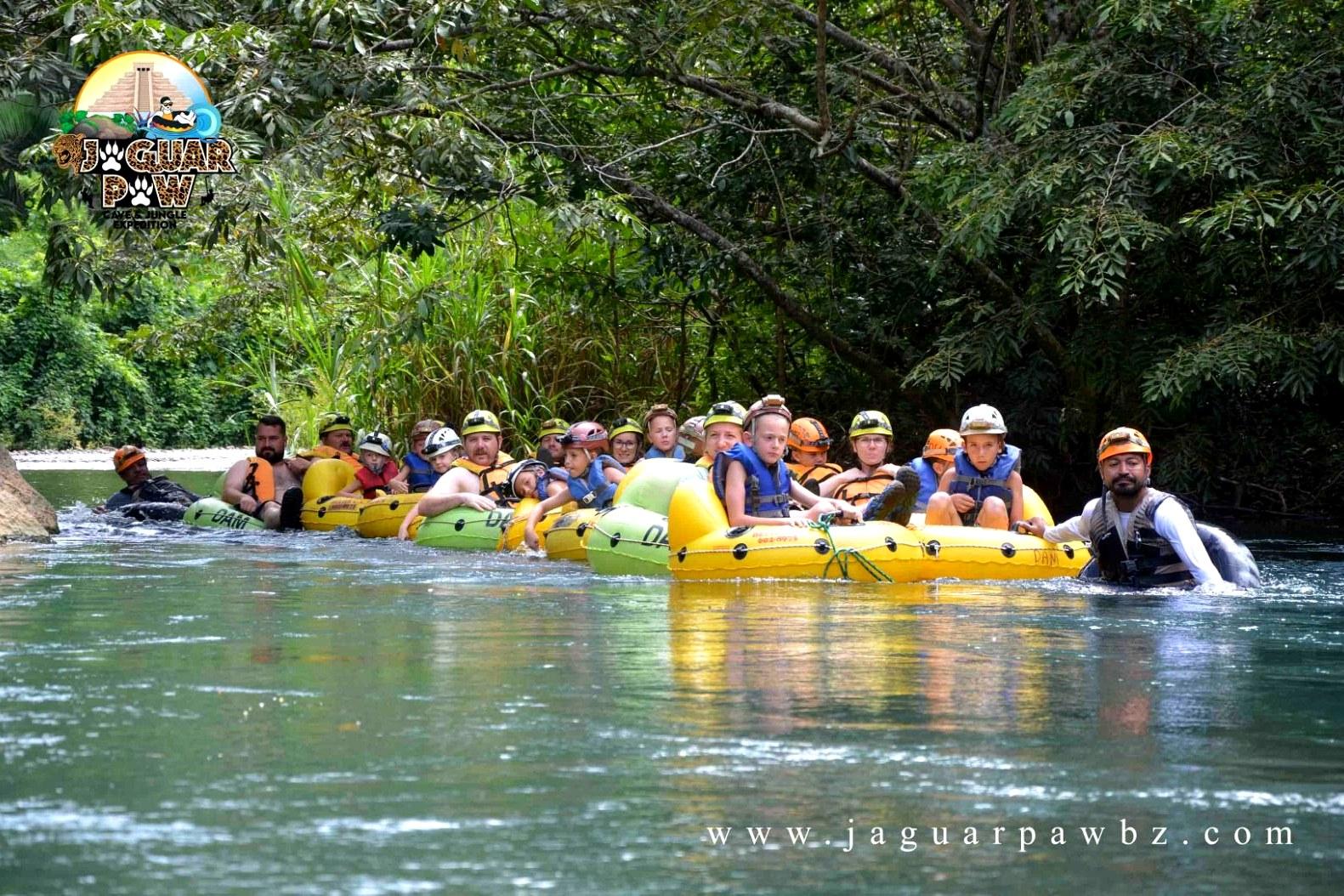
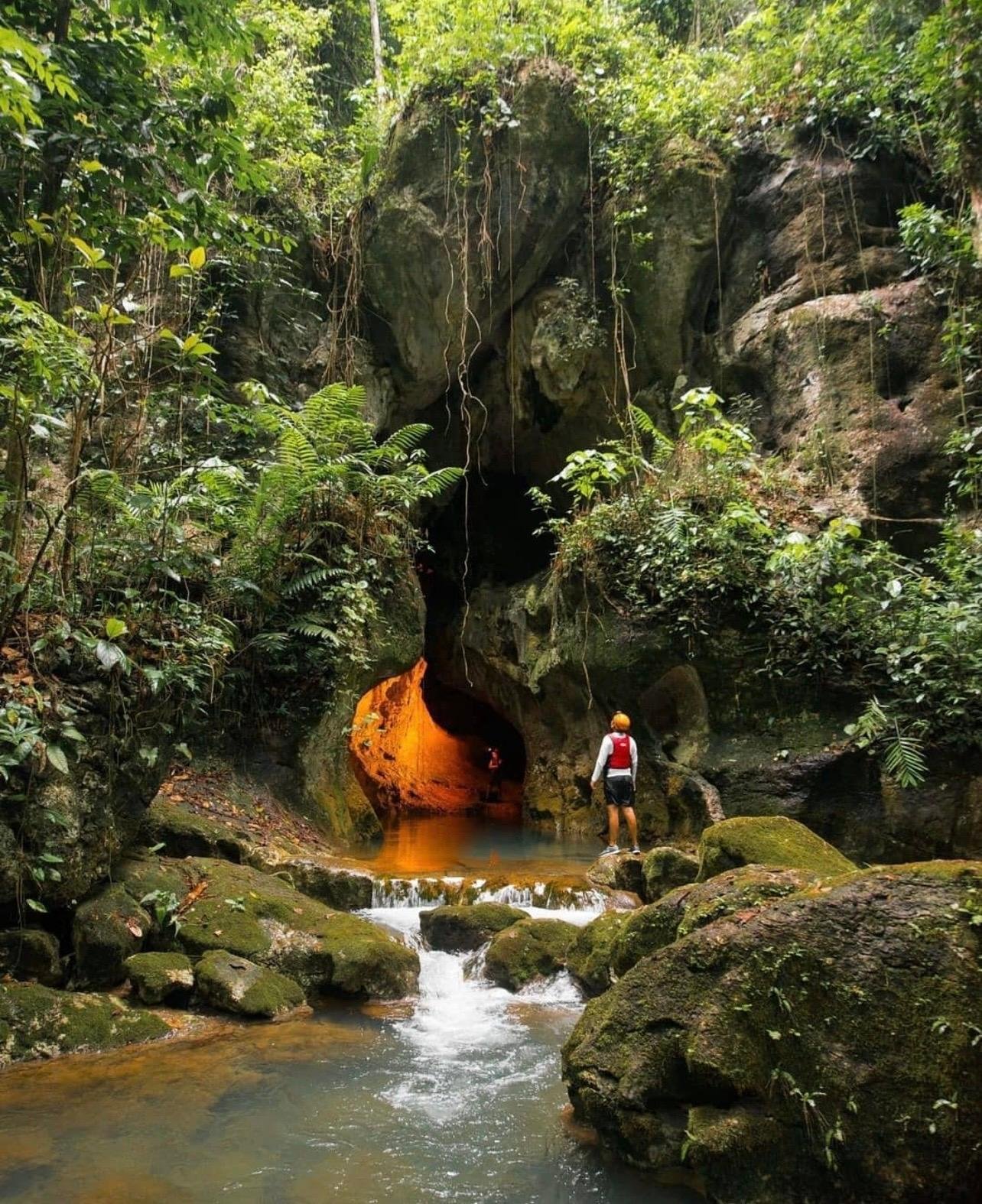
Float through ancient Mayan ceremonial caves and explore lush jungle on this private adventure
5 hours
Free Cancellation
Soar through the rainforest canopy and drift through ancient Maya caves in one unforgettable day
7 hours
Free Cancellation
Journey through Mayan history and float through ancient limestone caverns in one unforgettable day
3 hours
Free Cancellation
Half-day aquatic journey through pristine coral gardens with rays, sharks, and hand-fed tarpon
9 hours
Free Cancellation
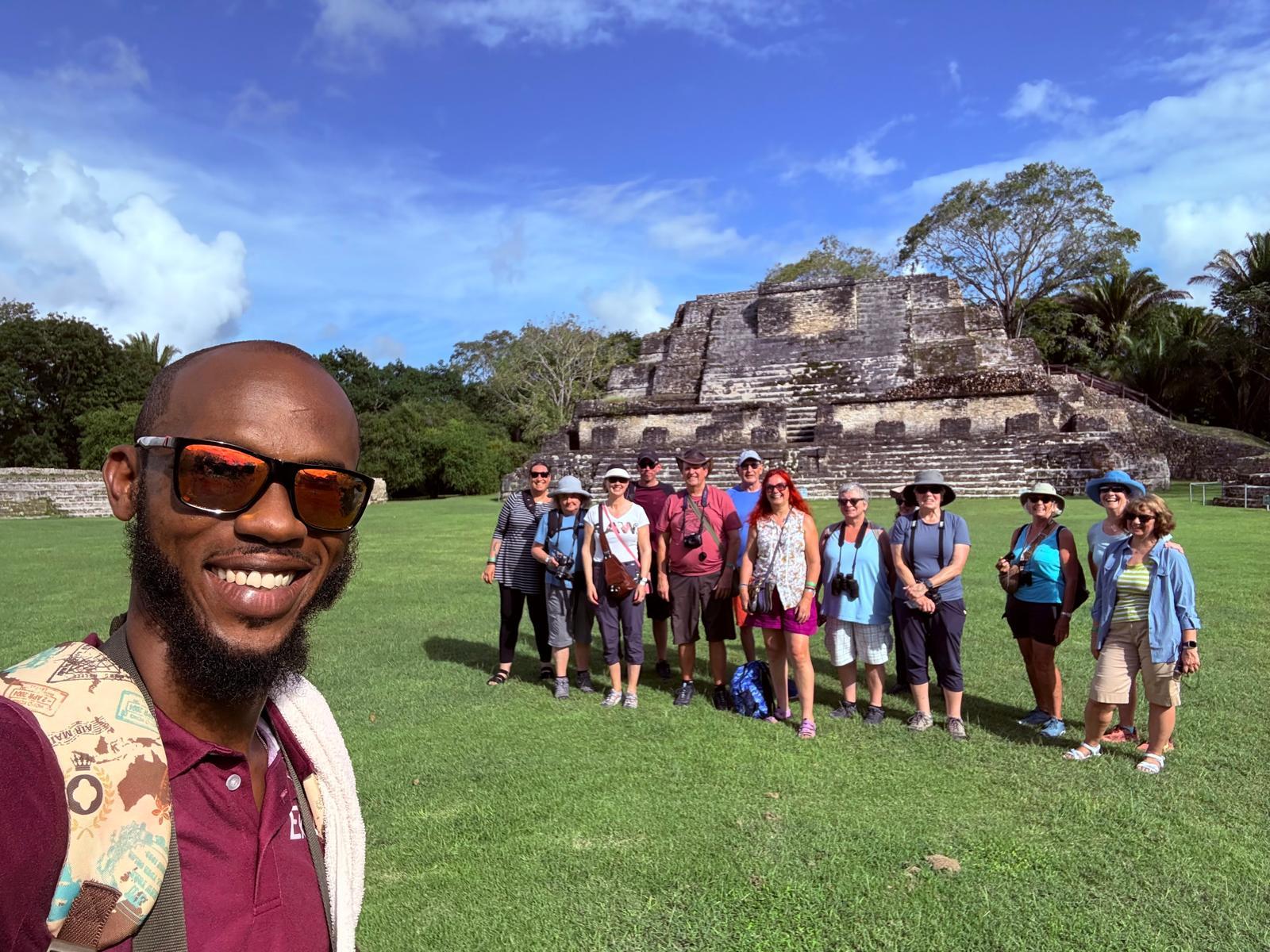
Journey to ancient Mayan ruins, soar over jungle canopy, and paddle through mystical underground caves
8 hours
Free Cancellation
Journey into a sacred Maya underworld where crystallized remains and ancient pottery reveal ritual secrets
1 hour
Free Cancellation
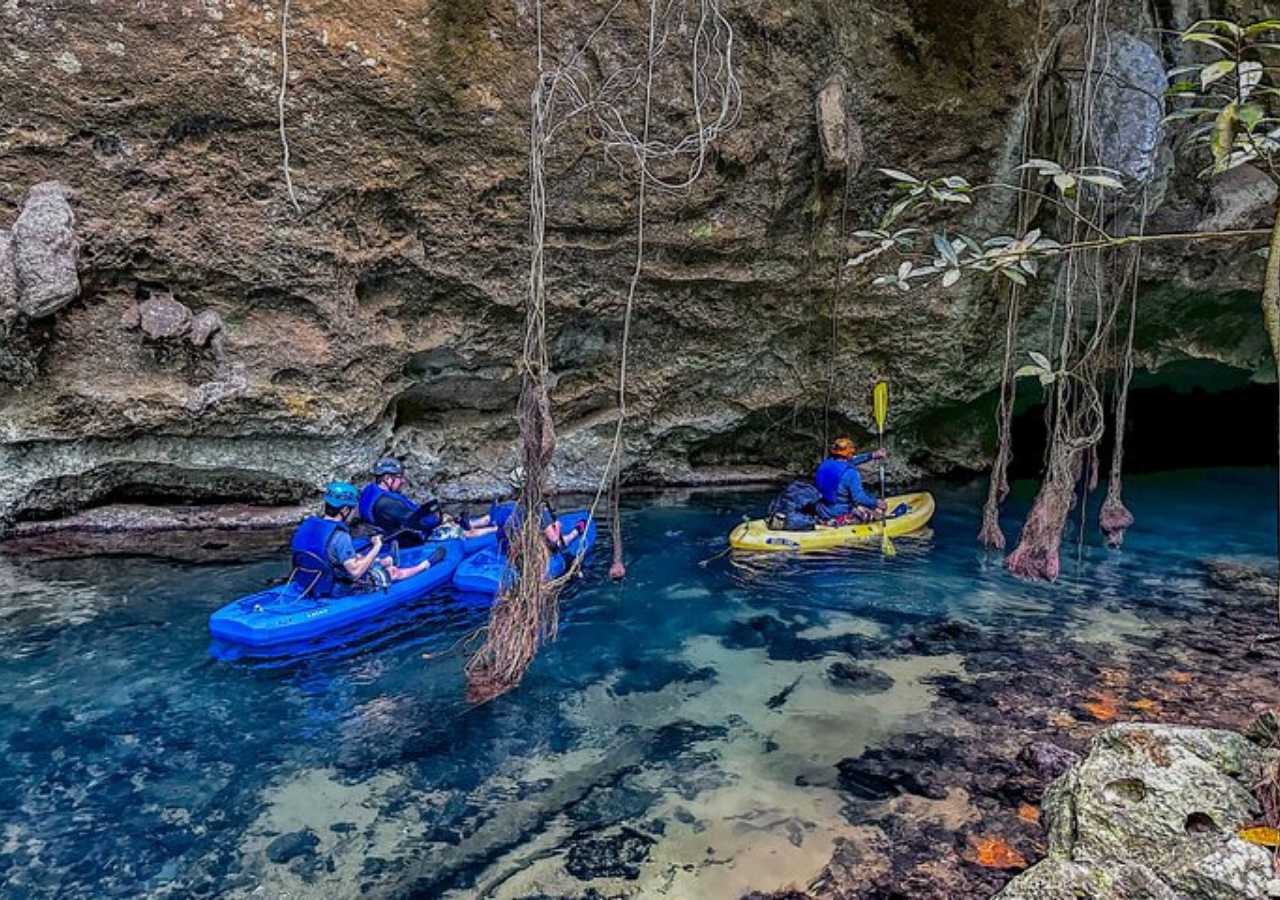
Paddle through an ancient underground river system deep in Belize's jungle caves with headlamp navigation
1 hour 30 minutes
Free Cancellation
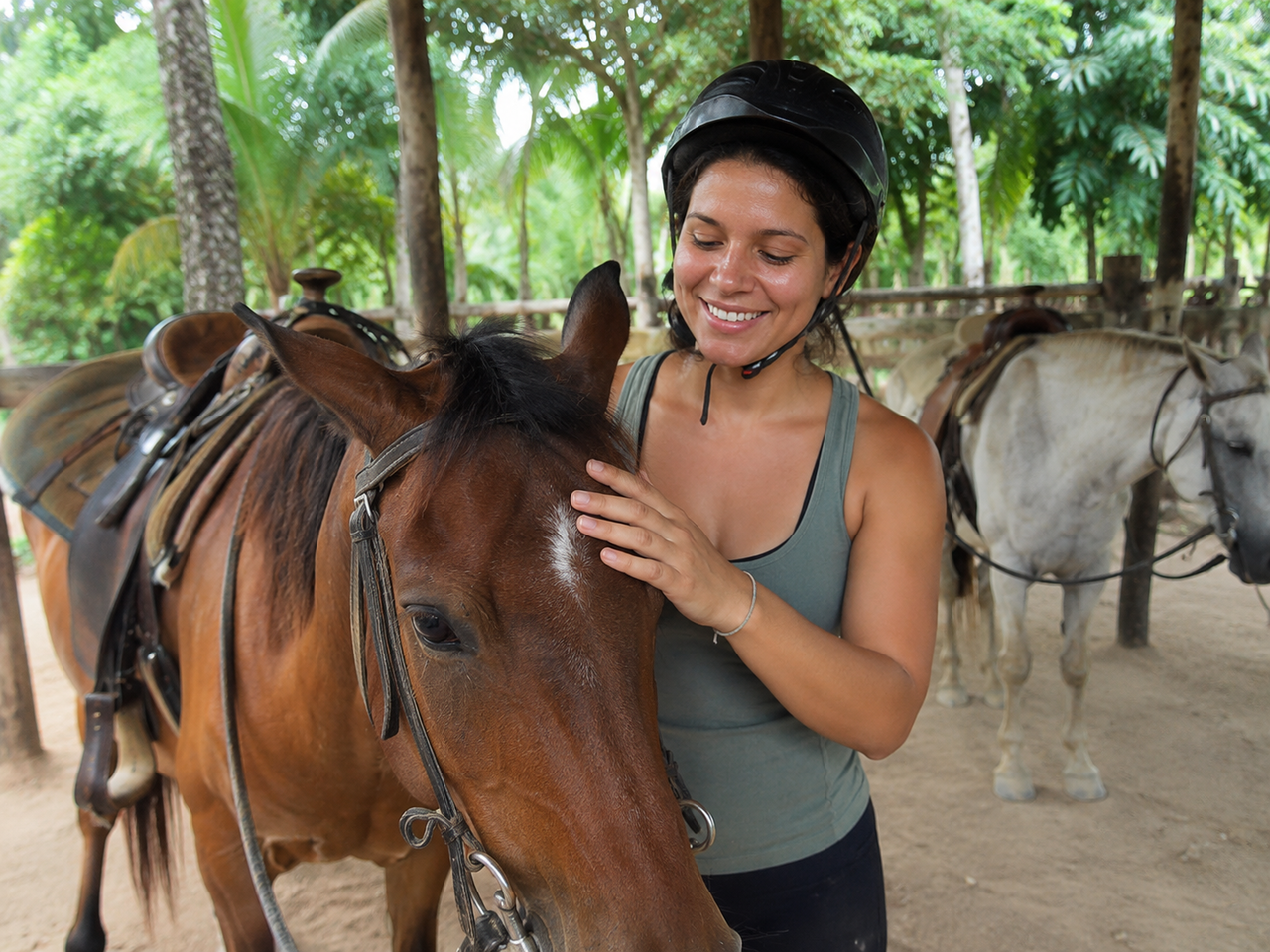
Ride through tropical rainforest on horseback, then float through ancient limestone caves on this dual mainland excursion from Caye Caulker.
Boats leave Belize City, San Pedro, or Caye Caulker before sunrise for the long crossing
Open-water boat ride out to the atoll, often with a breakfast stop
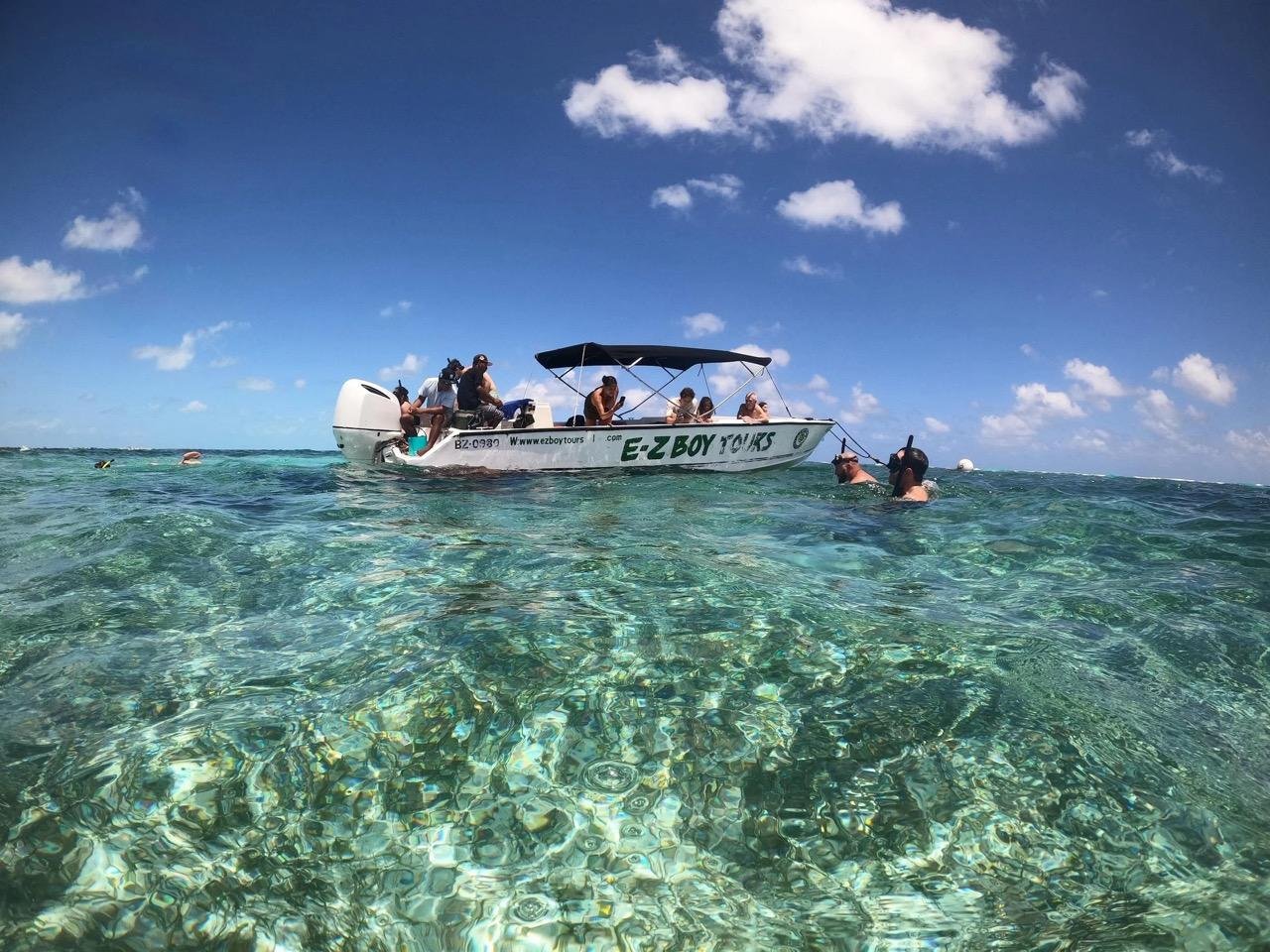
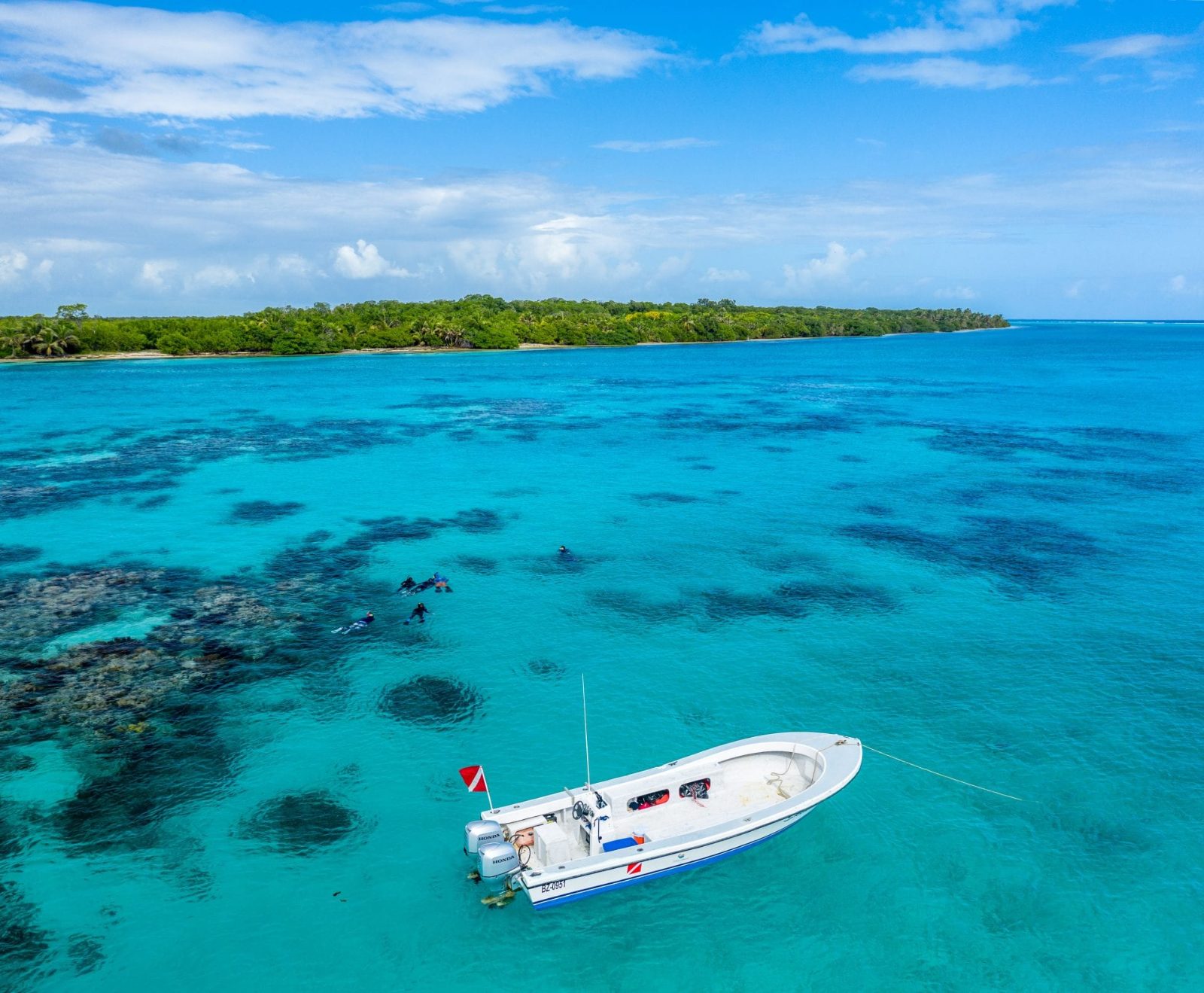
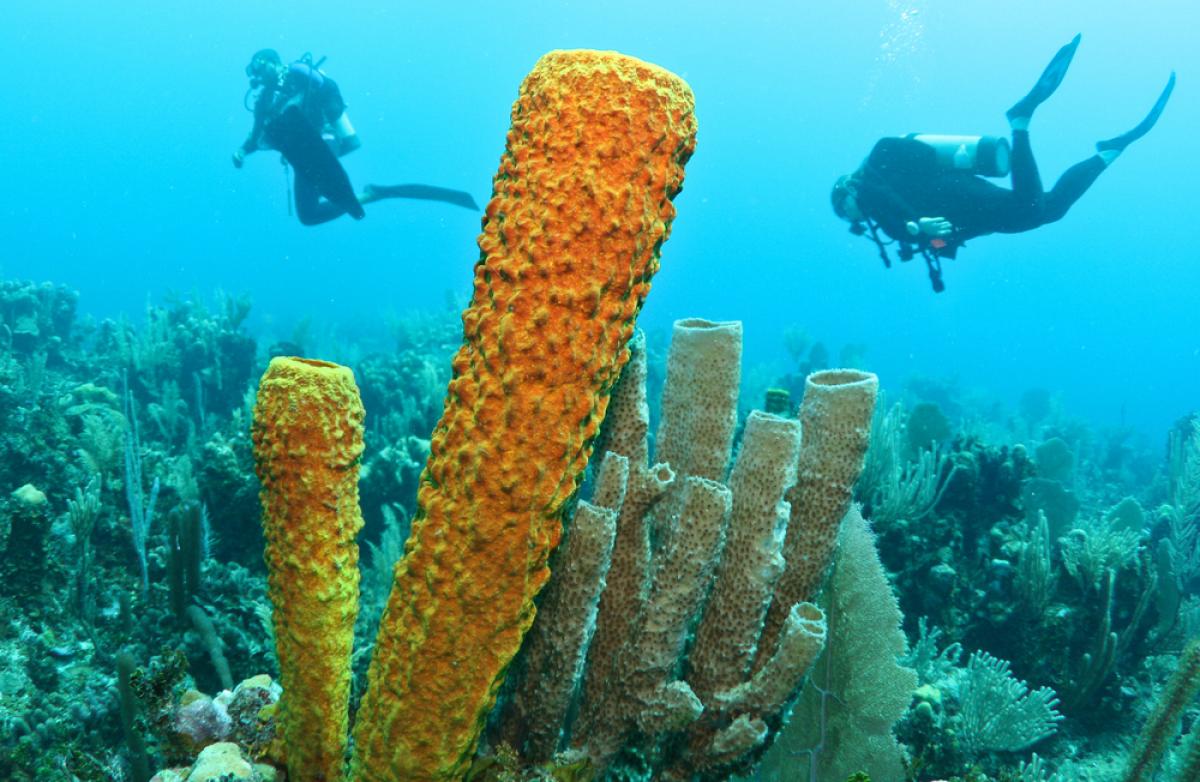
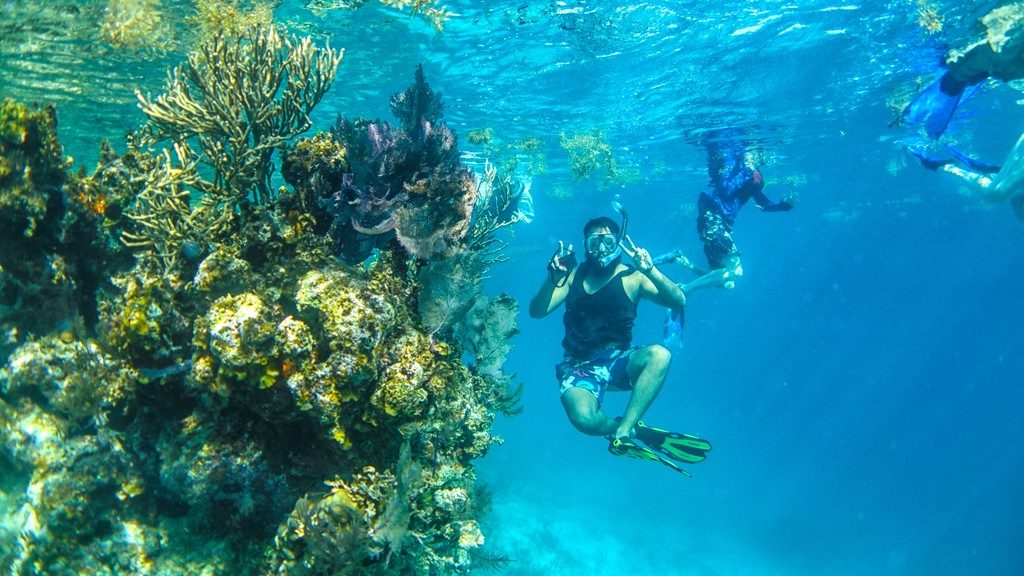
Snorkeling along the rim of the sinkhole among coral formations and reef fish
Many tours add a stop at the Half Moon Caye Natural Monument for lunch and birdwatching
Boats head back to the mainland or cayes by mid to late afternoon
The outer edge of the sinkhole is where nearly all snorkeling in Belize Blue Hole tours takes place, since the deep central basin drops to about 125 meters and is reserved for certified divers. Snorkelers here can spot reef fish and coral heads in the shallower fringing waters around 3–6 meters deep.
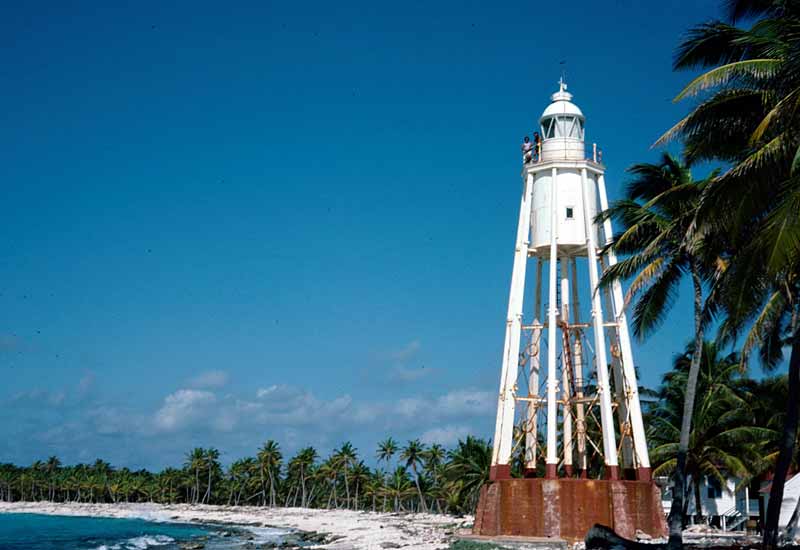
A short boat ride from the Blue Hole, this caye protects one of the largest red-footed booby colonies in the Caribbean alongside a historic lighthouse dating to the 1800s. Many day tours stop here for lunch and a short nature walk after the snorkel session.
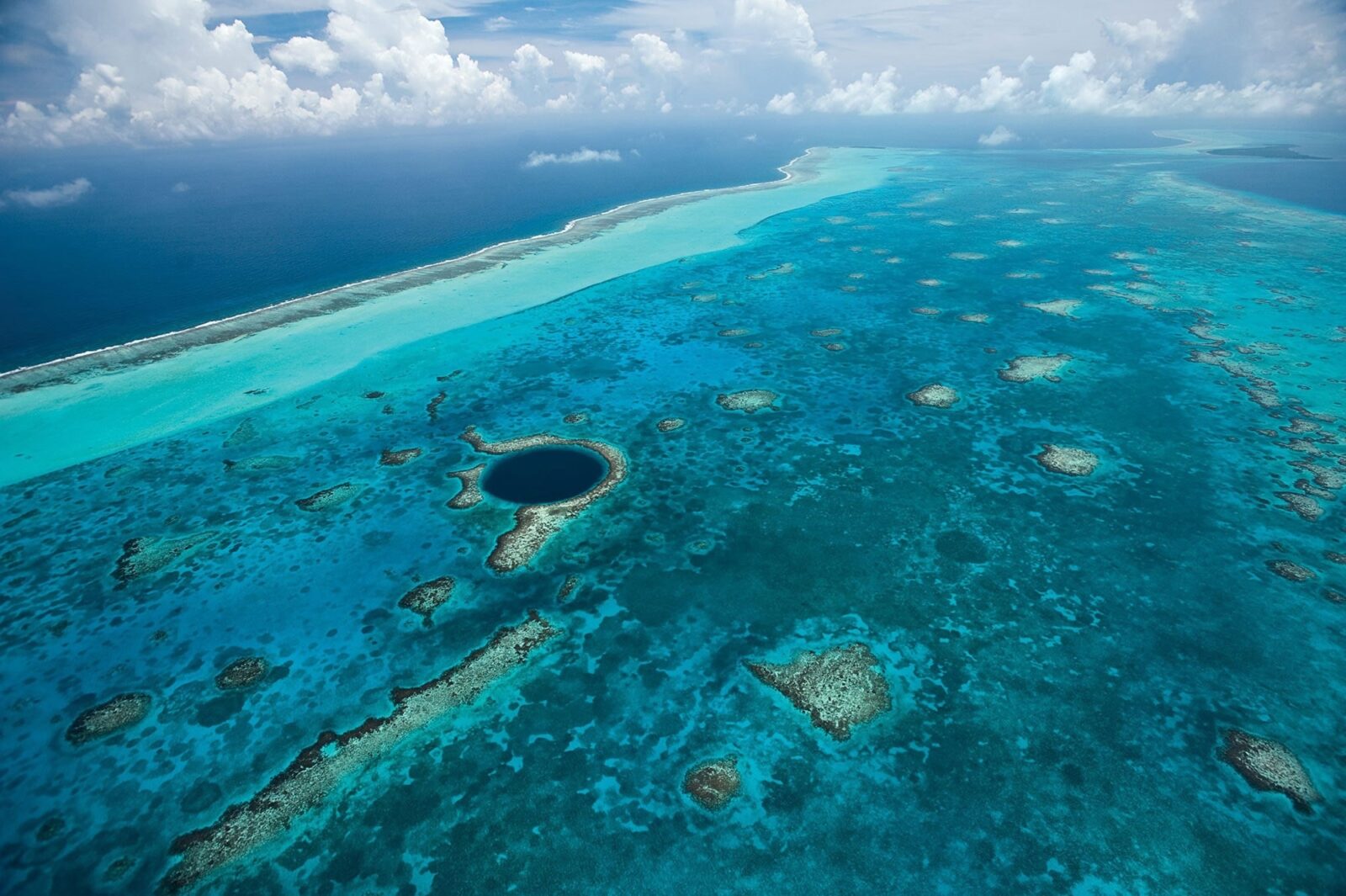
The coral formations surrounding the Blue Hole form part of the wider Lighthouse Reef Atoll, one of only four coral atolls in the western hemisphere. Visibility here often exceeds 30 meters on calm mornings, drawing both snorkelers and divers.
Located near Lighthouse Reef Atoll, this dramatic drop-off wall is sometimes added to extended charters for advanced snorkelers and divers. The wall descends steeply, contrasting with the enclosed basin of the Blue Hole itself.
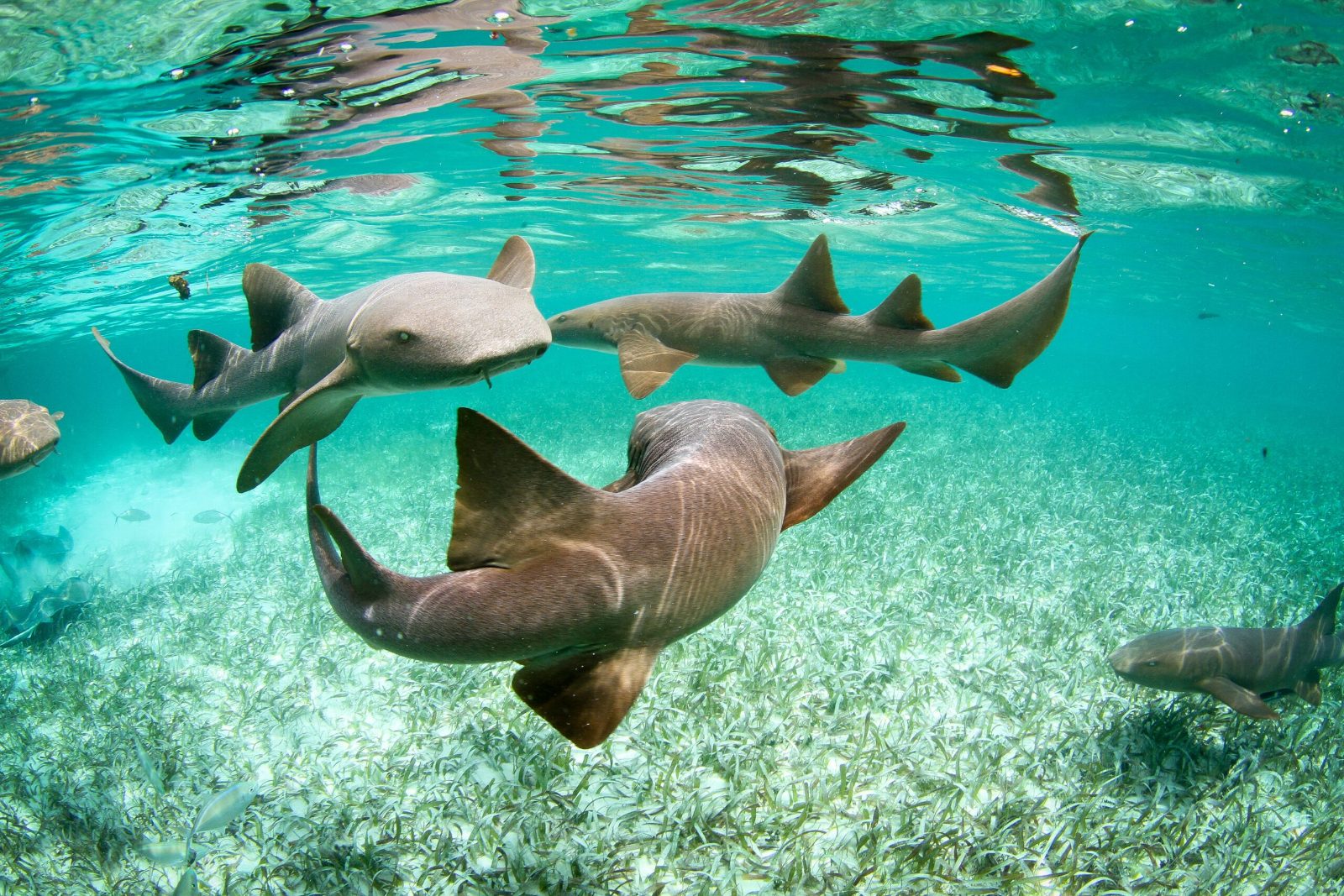
Snorkelers and divers frequently report nurse sharks and reef sharks patrolling the shallower rim waters near the Blue Hole's northern edge. Sightings are common enough that most tour guides point out the area as a highlight of the swim.
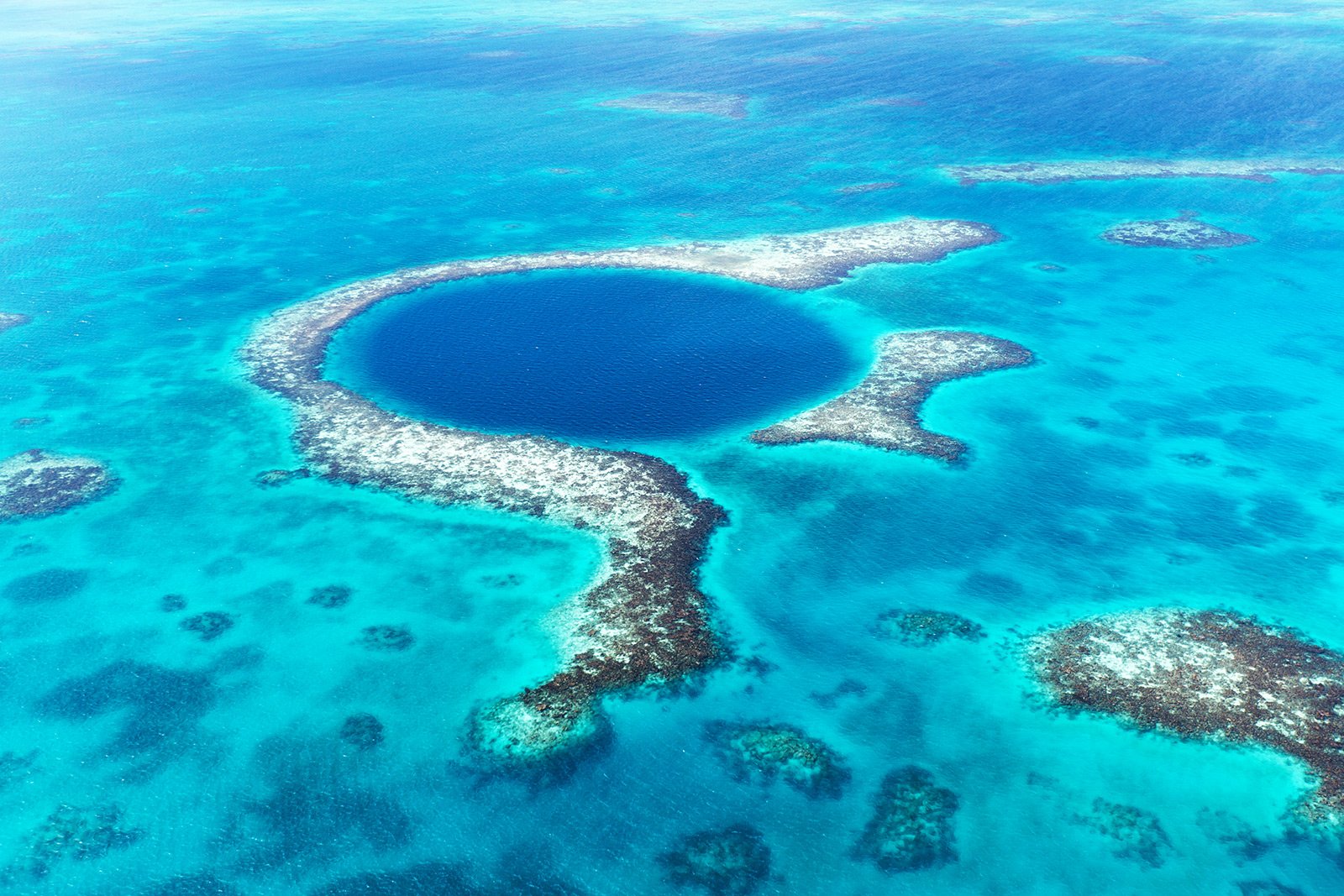
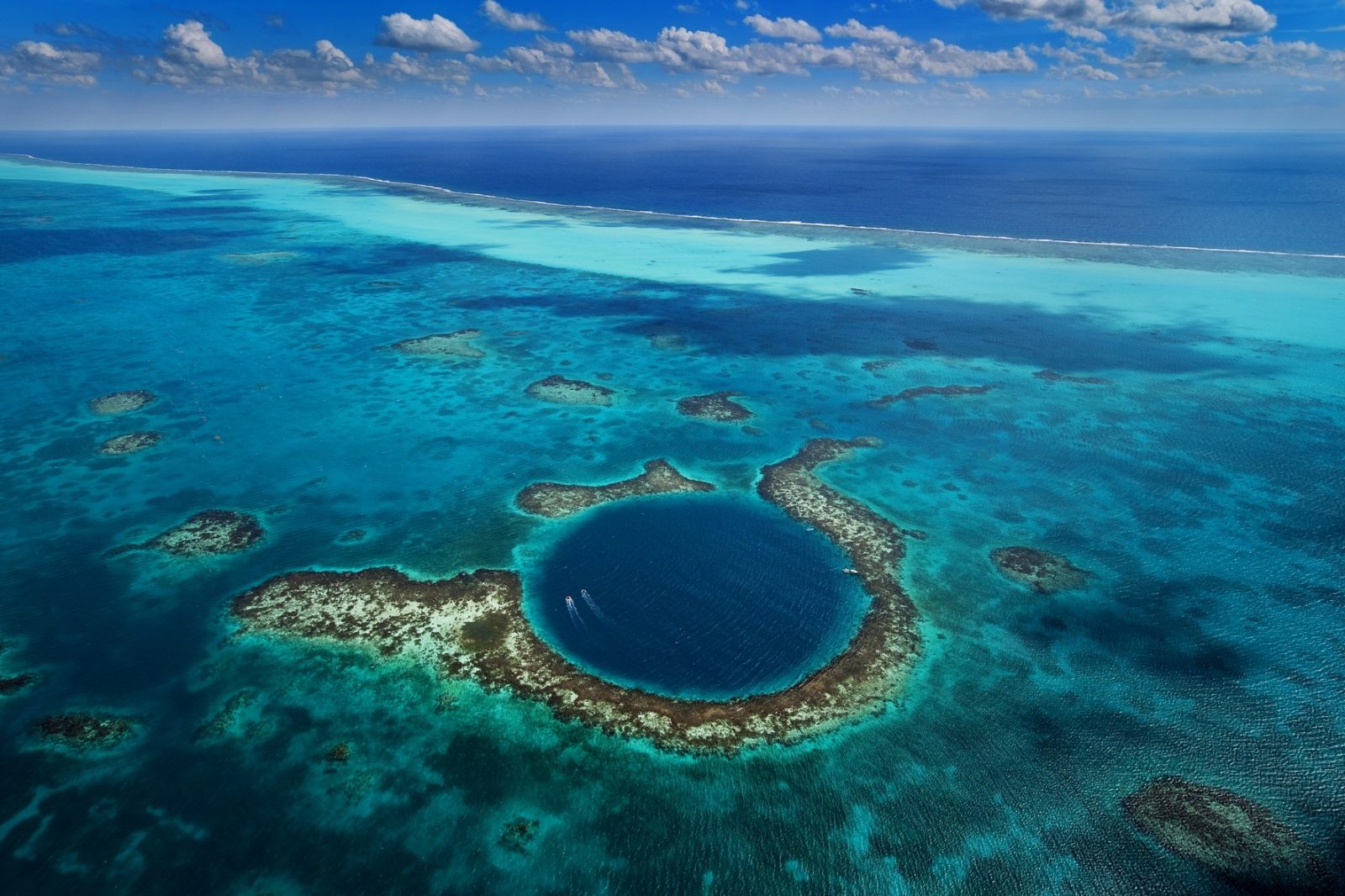
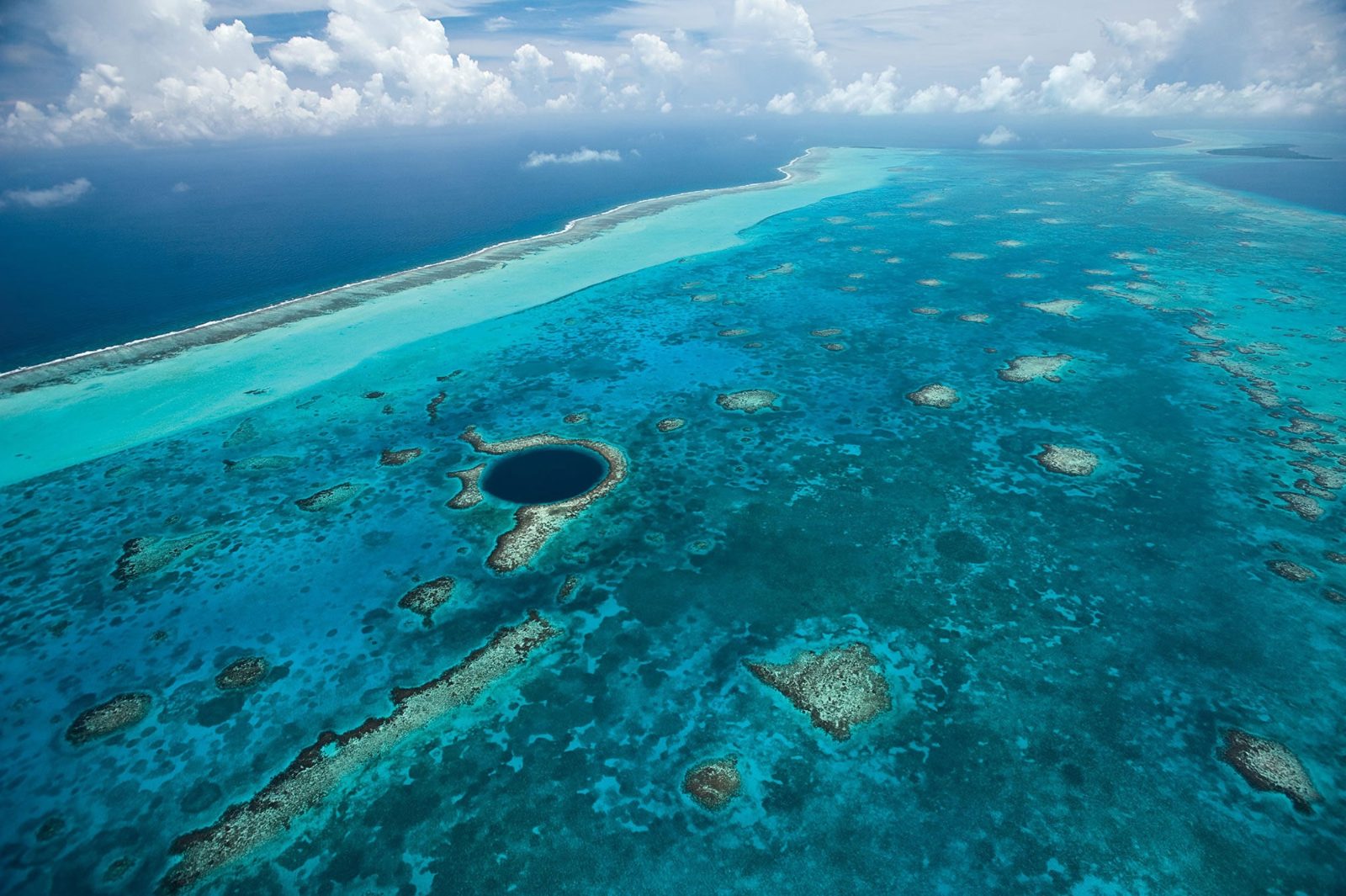
You depart San Pedro at first light, the catamaran cutting eastward across jade-green shallows that deepen to cobalt as the barrier reef falls behind. Two hours into the passage, the circular shadow materializes ahead—a disk of indigo punched into turquoise, the colour boundary so abrupt it looks drawn with a compass.
You anchor at the rim where the reef shelf ends, and the descent line drops into blue nothingness.
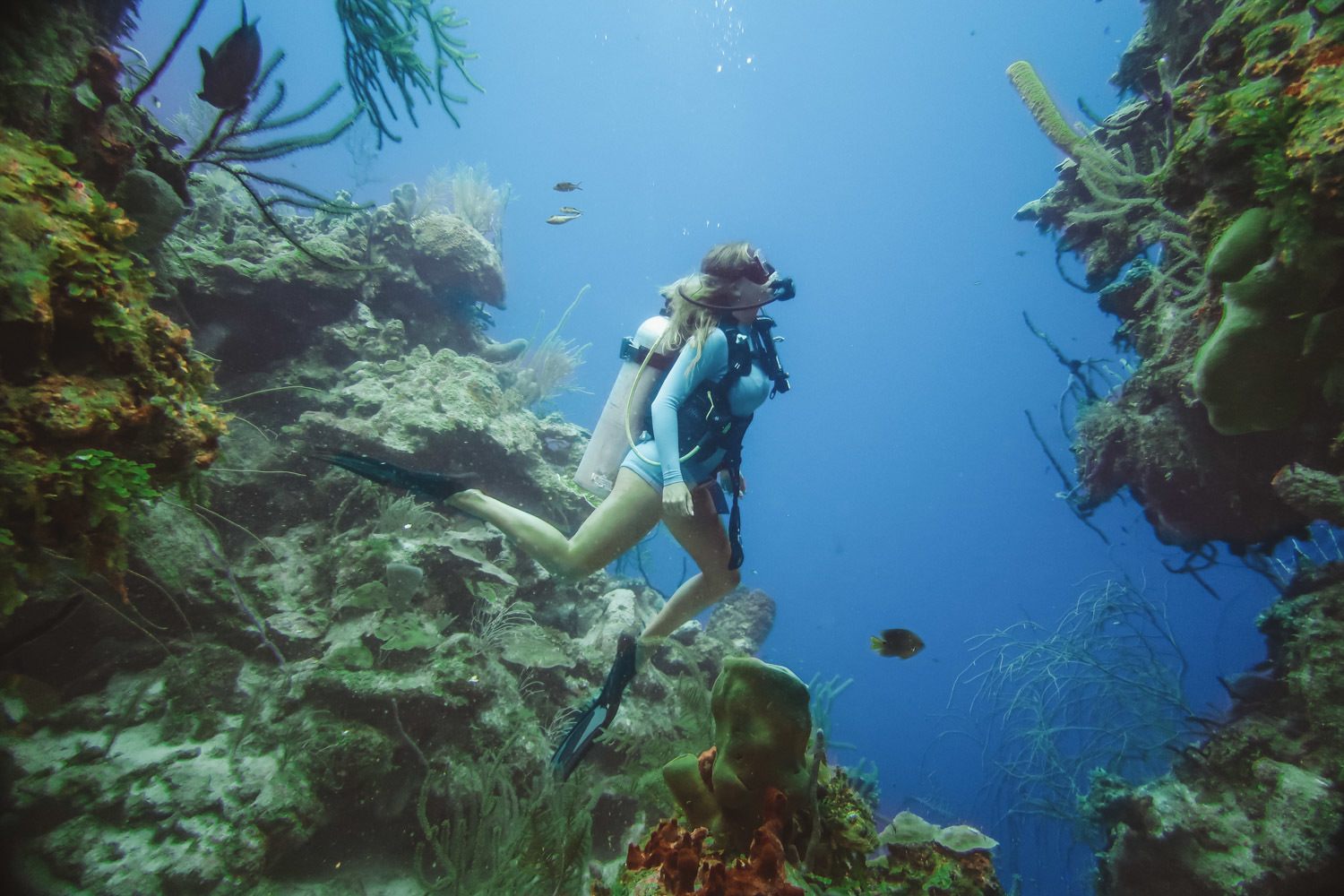
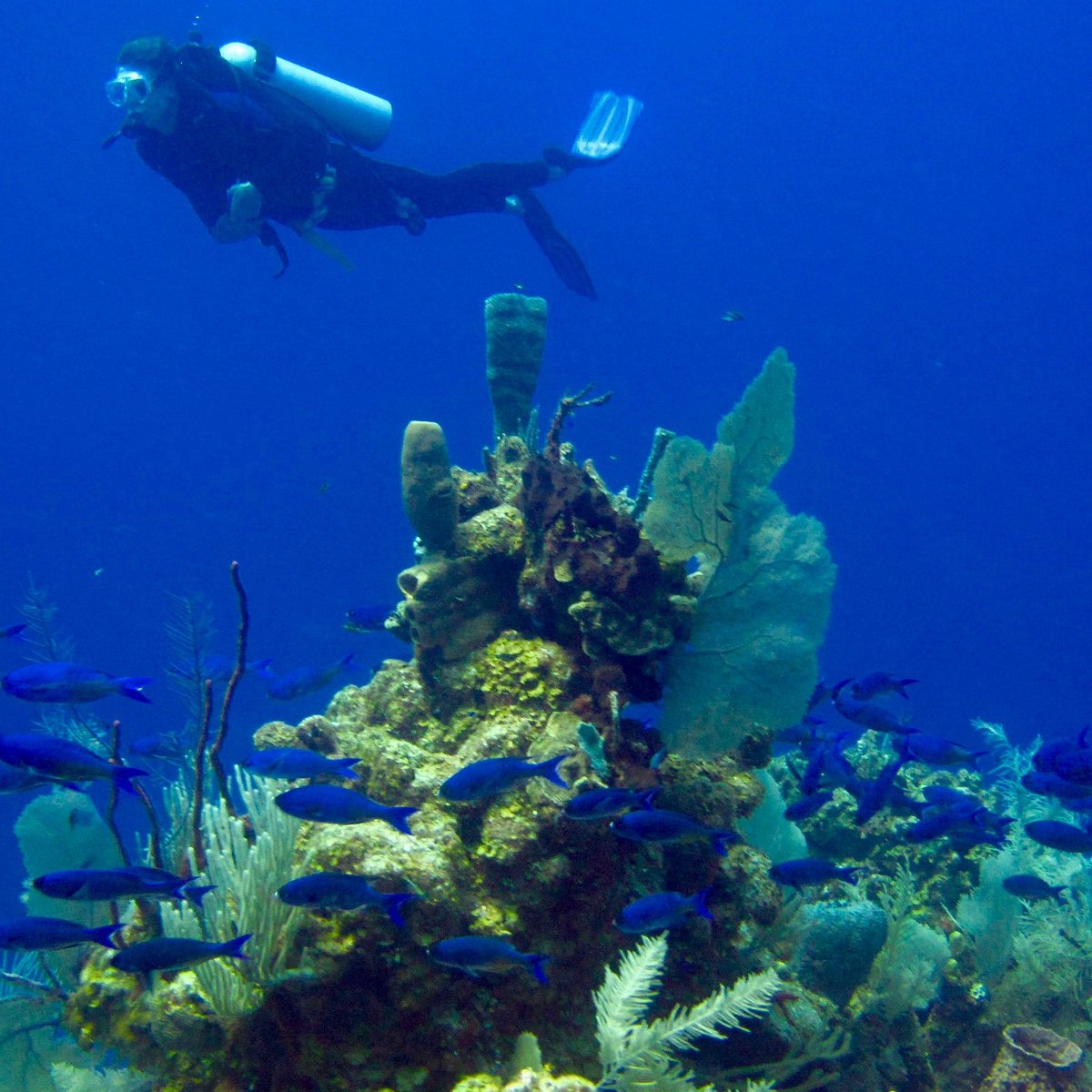
You enter the water at the edge, mask cleared, fins steady. The reef wall plunges vertically beneath you, coral buttresses fading into a void that swallows light. Caribbean reef sharks glide along the drop-off, their silhouettes stark against the abyss. You follow the perimeter clockwise, pausing where the shelf narrows and the blue seems to pull at you, a gravitational presence that defies surface logic. Schools of jacks spiral in the water column, and a lone nurse shark rests motionless on a coral ledge at 15 metres, unbothered by your shadow overhead. The sinkhole's geometry reveals itself slowly—too vast to comprehend in a single glance, only processable in segments as you fin from one anchor point to the next, the open ocean pressing in from all sides.
All the details about your upcoming adventure in one place
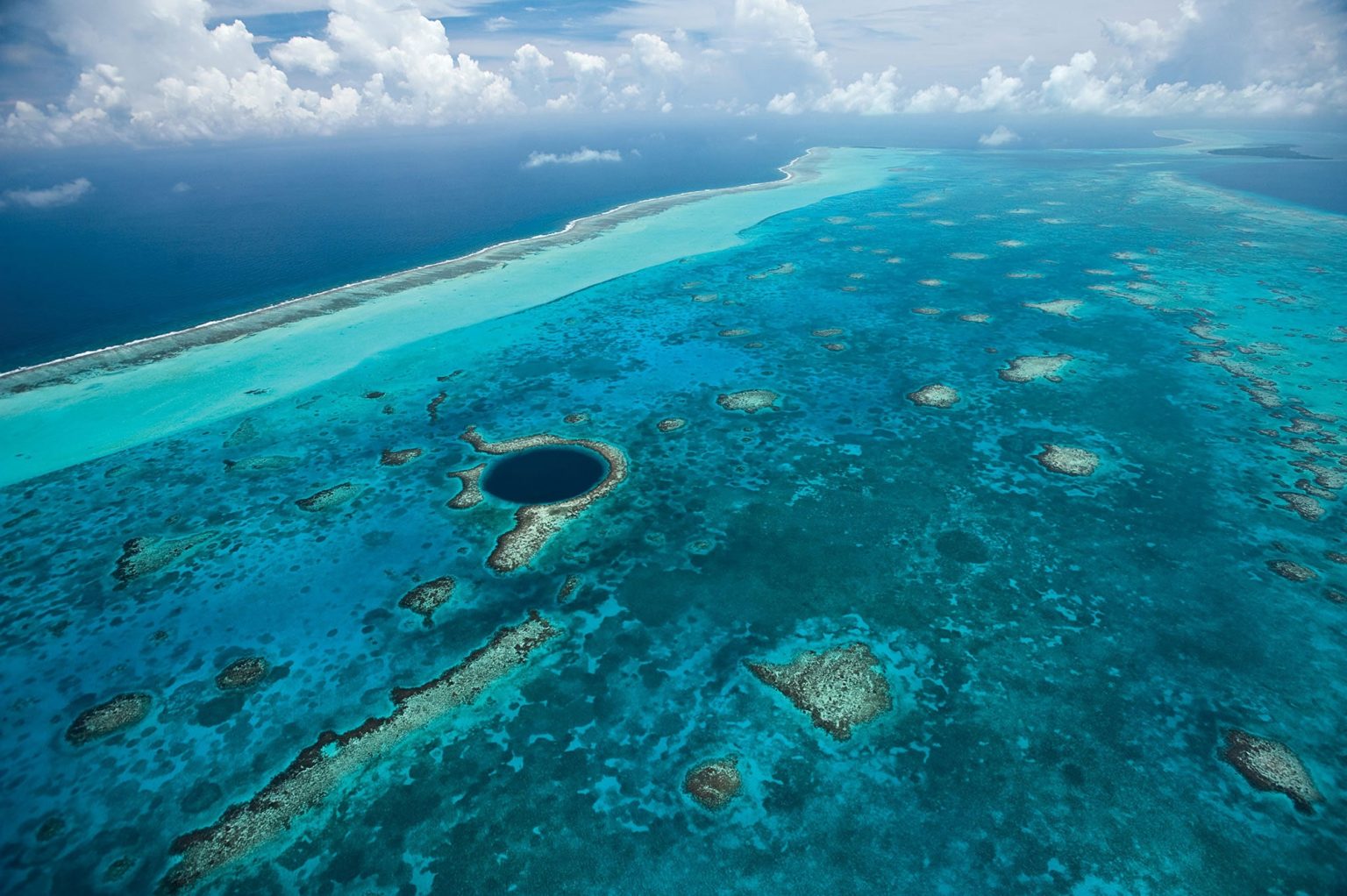
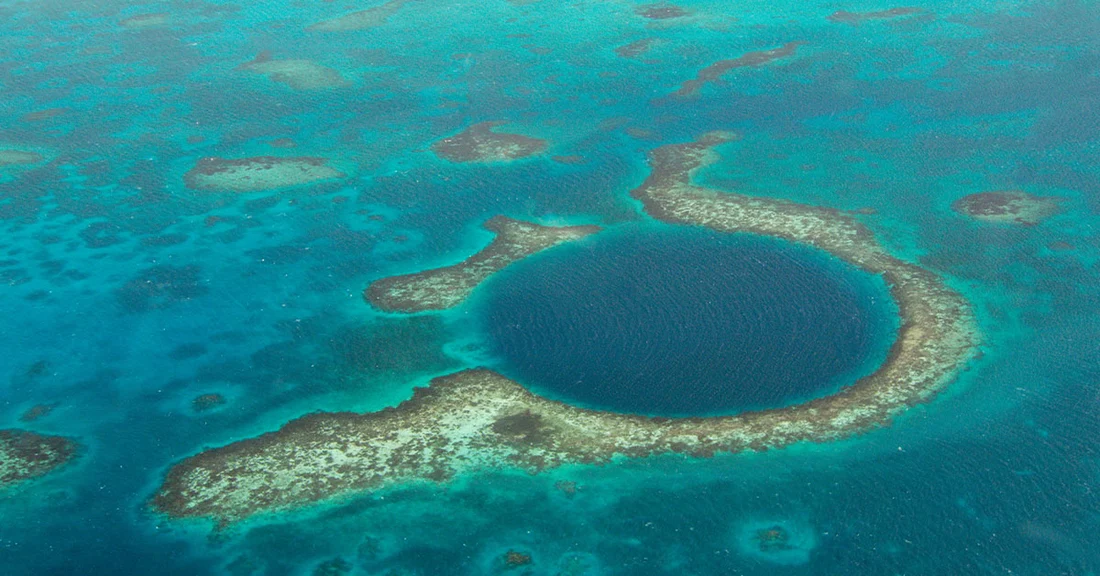
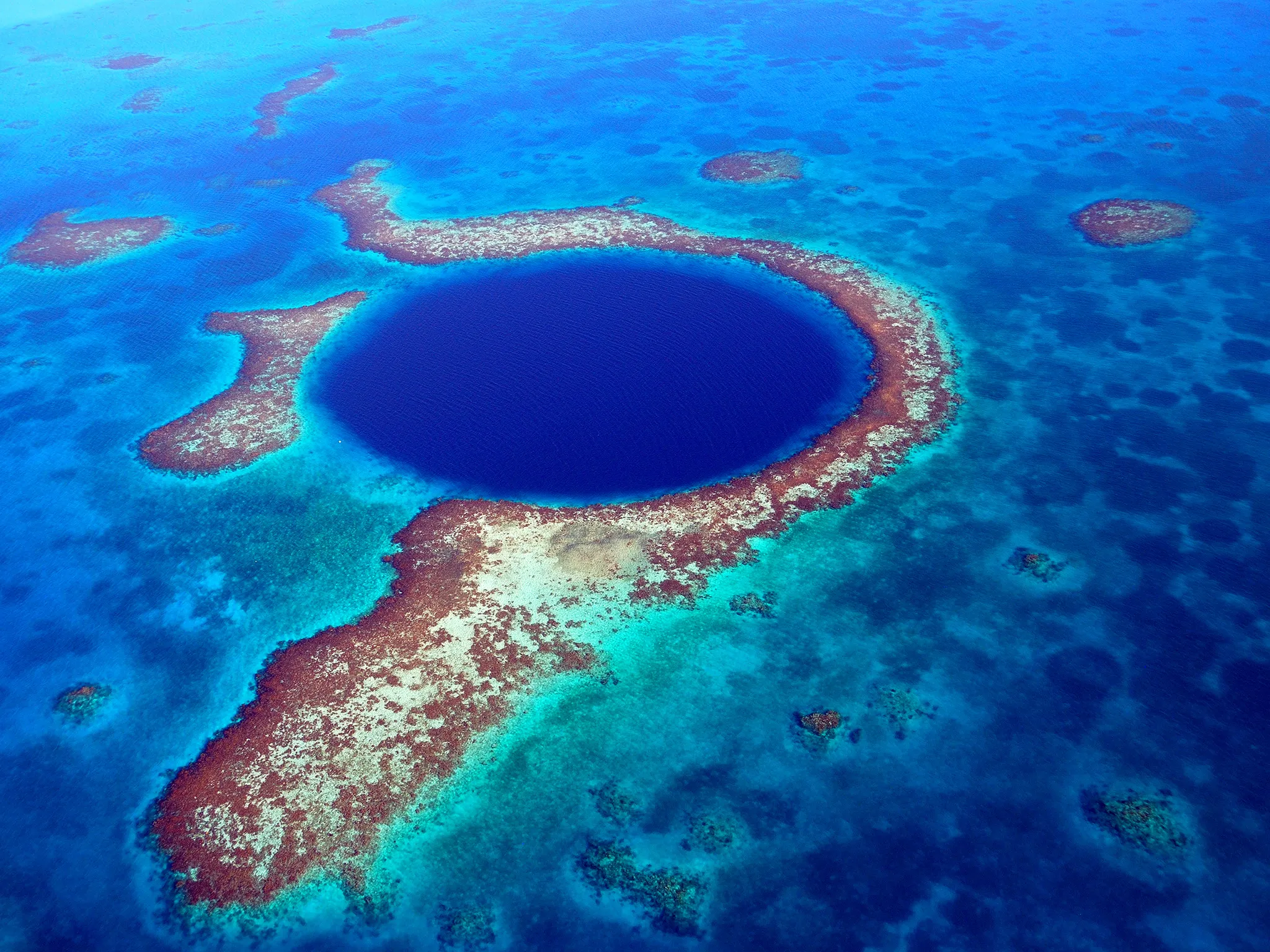
The Great Blue Hole measures 318 metres across and plunges 124 metres into the Lighthouse Reef Atoll, a near-perfect circle carved into the Caribbean seabed during the last ice age when sea levels stood 120 metres lower.
What began as a limestone cave system collapsed under rising waters approximately 10,000 years ago, leaving behind the world's largest marine sinkhole and one of the most recognizable geological formations on Earth. Jacques Cousteau ranked it among the top ten diving sites globally in 1971, cementing its status as a pilgrimage destination for divers and snorkelers seeking encounters with Caribbean reef sharks, nurse sharks, and the occasional hammerhead patrolling the sapphire abyss.
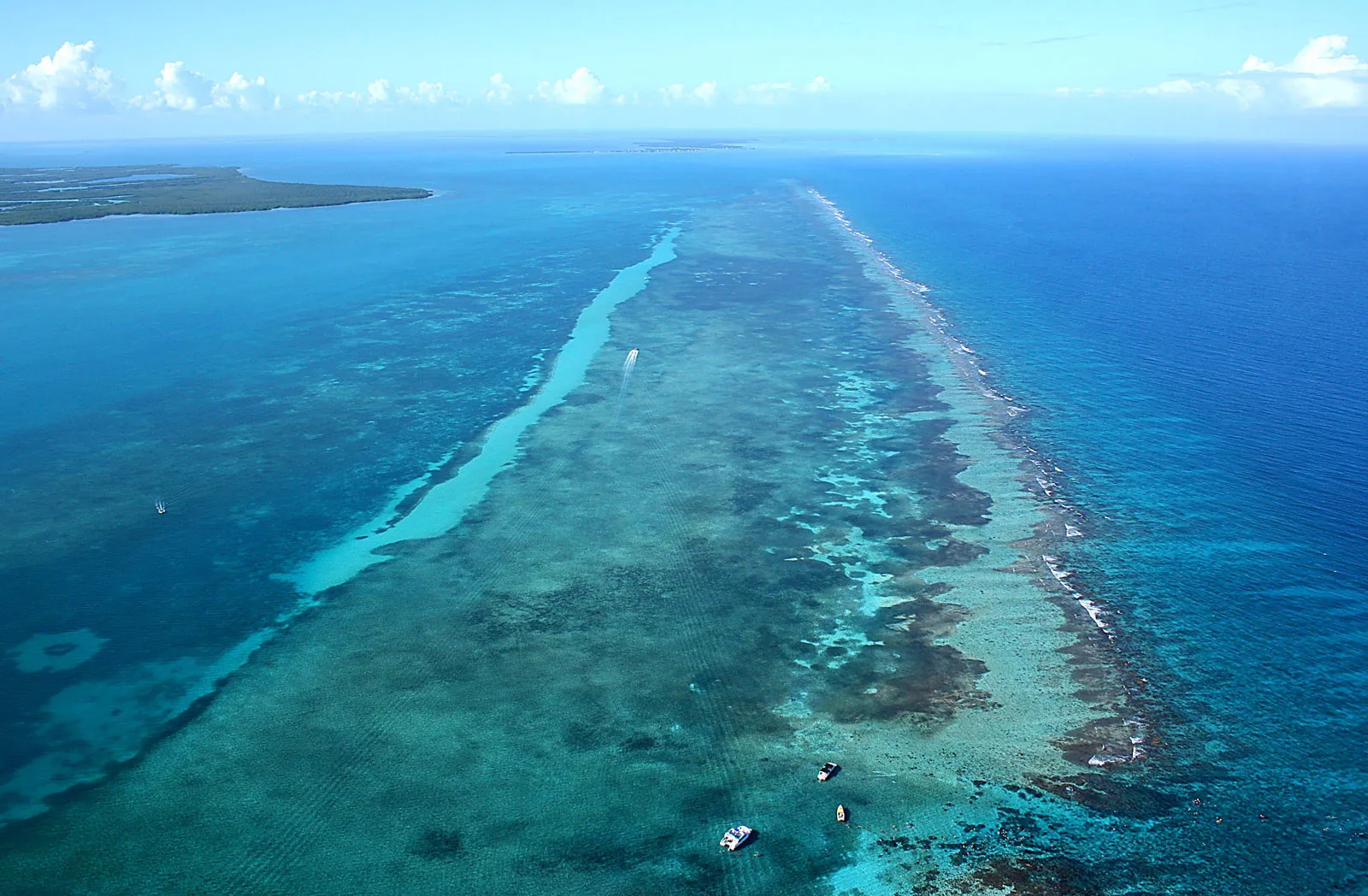
Snorkeling in Belize Blue Hole offers surface access to this underwater cathedral, though the true drama unfolds below 40 metres where ancient stalactites hang in drowned chambers. The atoll itself sits 70 kilometres east of Belize City, reachable only by chartered boat or helicopter across open ocean. Turneffe Atoll lies 30 kilometres closer to shore, often paired with Blue Hole excursions to maximize reef time. The Belize Barrier Reef Reserve System, declared a UNESCO World Heritage Site in 1996, protects 960 square kilometres of marine habitat including the Blue Hole Natural Monument, managed by the Belize Audubon Society since 1986. Conservation fees fund reef monitoring and patrol efforts across seven designated marine reserves.
Visitors snorkel the sinkhole's perimeter where the shallow reef shelf drops into midnight blue, the stark colour gradient visible from space. Coral formations cling to the upper rim at depths of 10 to 20 metres, hosting parrotfish, angelfish, and grouper populations that thrive in the nutrient-rich upwelling. Morning departures from San Pedro or Caye Caulker reach the site by mid-morning when surface conditions remain calmest, before southeastern trade winds roughen the passage back. The nearest decompression chamber operates in San Pedro, 90 kilometres southwest, a reminder of the open-ocean environment and the planning required for safe access to one of the Caribbean's most remote natural monuments.

Jacques Cousteau ranked it among the top ten diving sites globally in 1971, cementing its status as a pilgrimage destination for divers and snorkelers.
Wear a swimsuit under quick-dry clothing since you will be snorkeling directly from the boat with no changing rooms on site. A rash guard or light wetsuit top is worth packing for sun protection during the long boat ride out to Lighthouse Reef Atoll.
There is no security checkpoint at the Blue Hole itself since it is a remote marine site reached only by boat; your gear is checked informally by the crew before departure from Belize City or Ambergris Caye. Keep valuables in a dry bag, as anything not secured can end up in the water when boats rock at anchor.
Photography and video are permitted for personal use above and below the surface, including drone shots in open water away from other boats. Strobes and flash are unnecessary given the site's natural light penetration, and operators generally ask that cameras not obstruct other snorkelers on the ladder or swim platform.
Children are welcome on snorkeling in Belize Blue Hole tours provided they are confident swimmers, since the water at the rim is roughly 12 meters deep with no shallow wading area. Most operators set a minimum age (commonly around 8–10 years) and require life vests for younger or less experienced snorkelers.
Access to the Blue Hole is by boat only, and entry into the water is via a ladder or swim platform, so visitors need reasonable mobility and swimming ability. There are no ramps, lifts, or accessible restroom facilities at this remote atoll site, and Belize Audubon Society staff and boat crews can offer physical assistance but no dedicated adaptive equipment.
Boats typically pack a light lunch, water, and snacks for the day trip, since there are no restaurants or shops at the Blue Hole itself. Visitors should bring extra water for the two-hour-plus crossing from Belize City or Ambergris Caye, as dehydration is common on long, sun-exposed boat rides.
Boats depart early for best visibility
Midweek, fewer boats on site
Busier with weekend charters arriving
Heaviest boat traffic of the week
Hours
07:00–16:00 daily (Blue Hole Natural Monument)
Opening hours
07:00 – 16:00
Getting there
City-center access via metro and bus
Accessibility
Most experiences are wheelchair-friendly — check individual tours
What to bring
Comfortable shoes, water, phone for mobile voucher
Car · 20–40 min to marina · Taxi fares vary by hotel location
There is no road access to the Blue Hole itself; visitors drive or taxi only as far as the marina in Belize City, San Pedro, or Caye Caulker to board a tour boat.
Public transport · 30–90 min between islands · Around 15–25 USD per water taxi leg
Water taxis connect Belize City, Caye Caulker, and San Pedro, but the Blue Hole leg itself is only reached via chartered tour boat, not scheduled ferries.
Taxi · 15–30 min · Fares typically negotiated, cash preferred
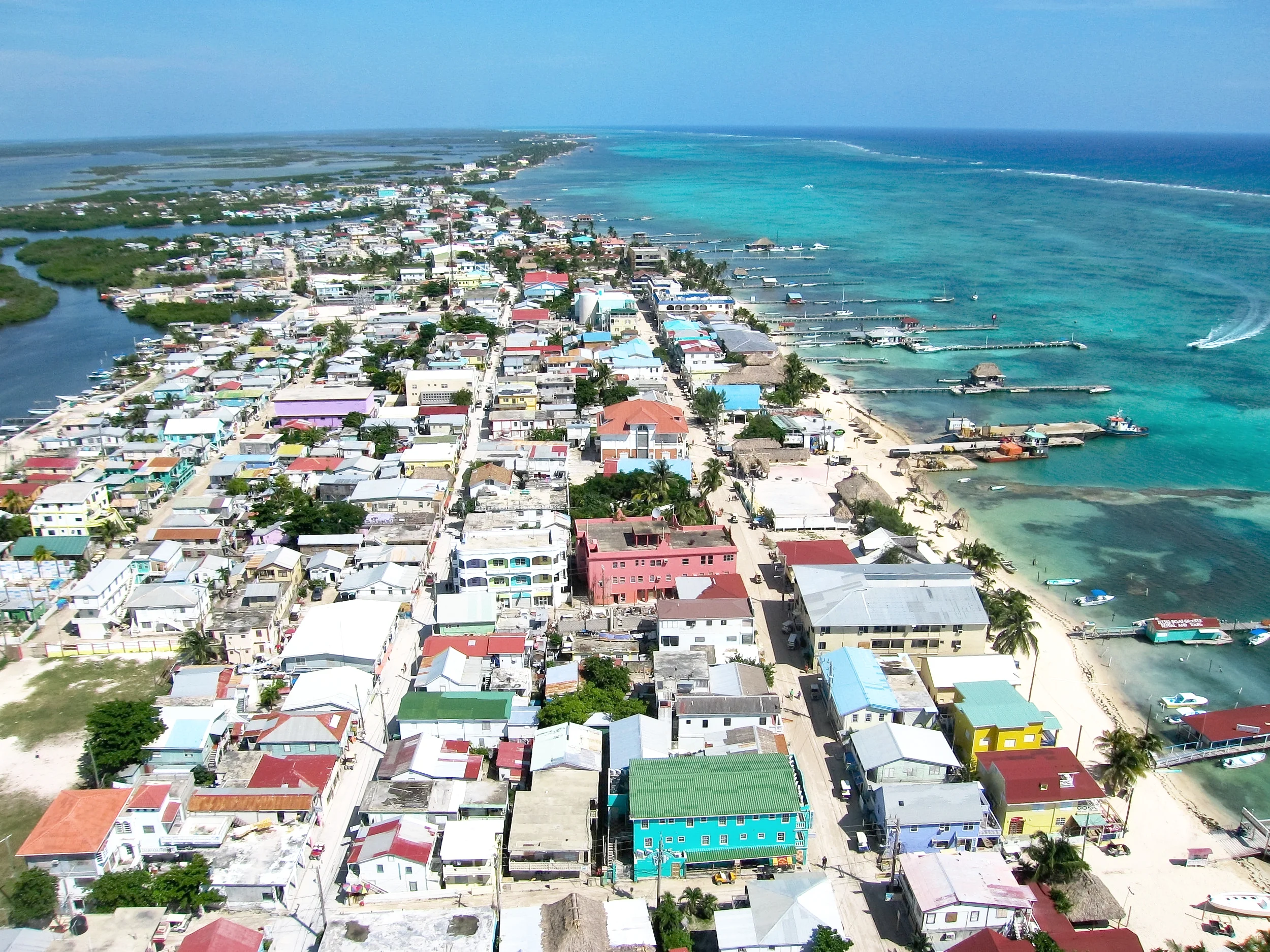
Airport or hotel taxis to the departure marina are the most common way visitors reach their boat in Belize City or on the cayes.
Most operators running snorkeling in Belize Blue Hole tours allow free cancellation up to 24–48 hours before departure, with the 40 USD Blue Hole Natural Monument park fee refunded only if the trip itself is cancelled by the operator due to weather. Rebooking is generally easier than a refund since boats depart early and rely on set passenger counts.
Recommended time
Full day (10-12 hours door-to-door)
Snorkeling in Belize Blue Hole is a full-day undertaking once you count the boat transfer from Belize City or the cayes, which typically runs two to three hours each way to reach Lighthouse Reef Atoll. Arriving in the 07:30-10:00 window matters most here: seas are calmer and the water clearer before afternoon trade winds stir up the surface and cut visibility. Add time if your itinerary stacks stops at Half Moon Caye or Long Caye afterward, since the Blue Hole segment itself is usually just one leg of the day. There is no ticket queue on-site in the traditional sense, but boat departure times are fixed, so late arrivals at the dock mean missing the calm-water slot entirely.
Crowd levels through the day
Weather · crowds · average price — dots go green to amber to red as each metric rises.
Calmer seas and drier weather make crossings to Lighthouse Reef Atoll more comfortable, though this is peak tourist season with more boats on site. Water temperatures stay in the mid-70s Fahrenheit, so a rash guard is enough for most snorkelers.
Visibility is often at its best before the rainy season begins, with warm air temperatures in the mid-80s Fahrenheit. This shoulder season sees moderate boat traffic compared to winter holidays.
Warmer water and air temperatures make for comfortable snorkeling, but afternoon thunderstorms are more frequent, reinforcing the value of an early departure. Hurricane season officially begins in June, so operators monitor storm tracks closely.
This is the quietest season for snorkeling in Belize Blue Hole tours, with fewer boats and lower prices, though September and October carry the highest hurricane risk of the year. Visitors booking now in late September should check weather forecasts a few days ahead of departure.
Boats leaving before or at 07:00 give the best chance of calm seas and clear water before afternoon winds build over Lighthouse Reef Atoll.
The crossing to the Blue Hole takes over two hours each way in open water, and even experienced travelers can feel queasy on a rocking boat.
The 40 USD Blue Hole Natural Monument park fee is collected per foreign visitor and is easiest to pay with exact cash.
Spray and boat movement make it easy to soak backpacks, so a dry bag protects phones, wallets, and passports during the ride.
September and October carry elevated storm risk, so visitors booking snorkeling in Belize Blue Hole tours this time of year should watch forecasts a few days out.
Because entry is directly into deep water via boat ladder, operators may turn away guests who cannot demonstrate basic swimming competence.
Adding the nearby Half Moon Caye Natural Monument to the same charter makes the long boat ride more worthwhile for birdwatching and a beach lunch stop.
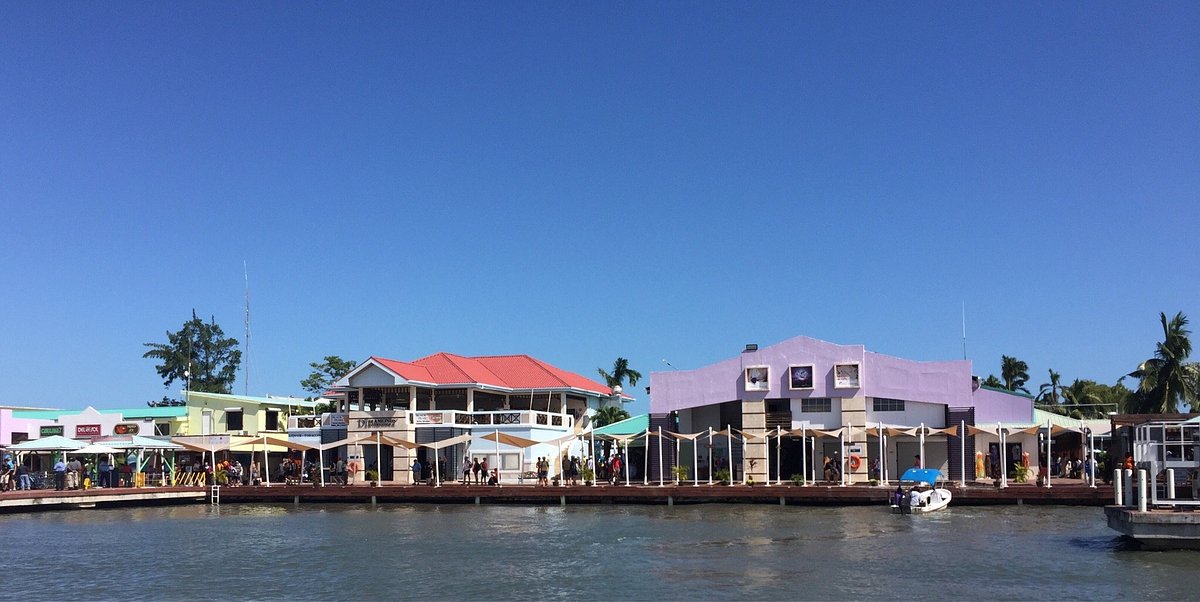
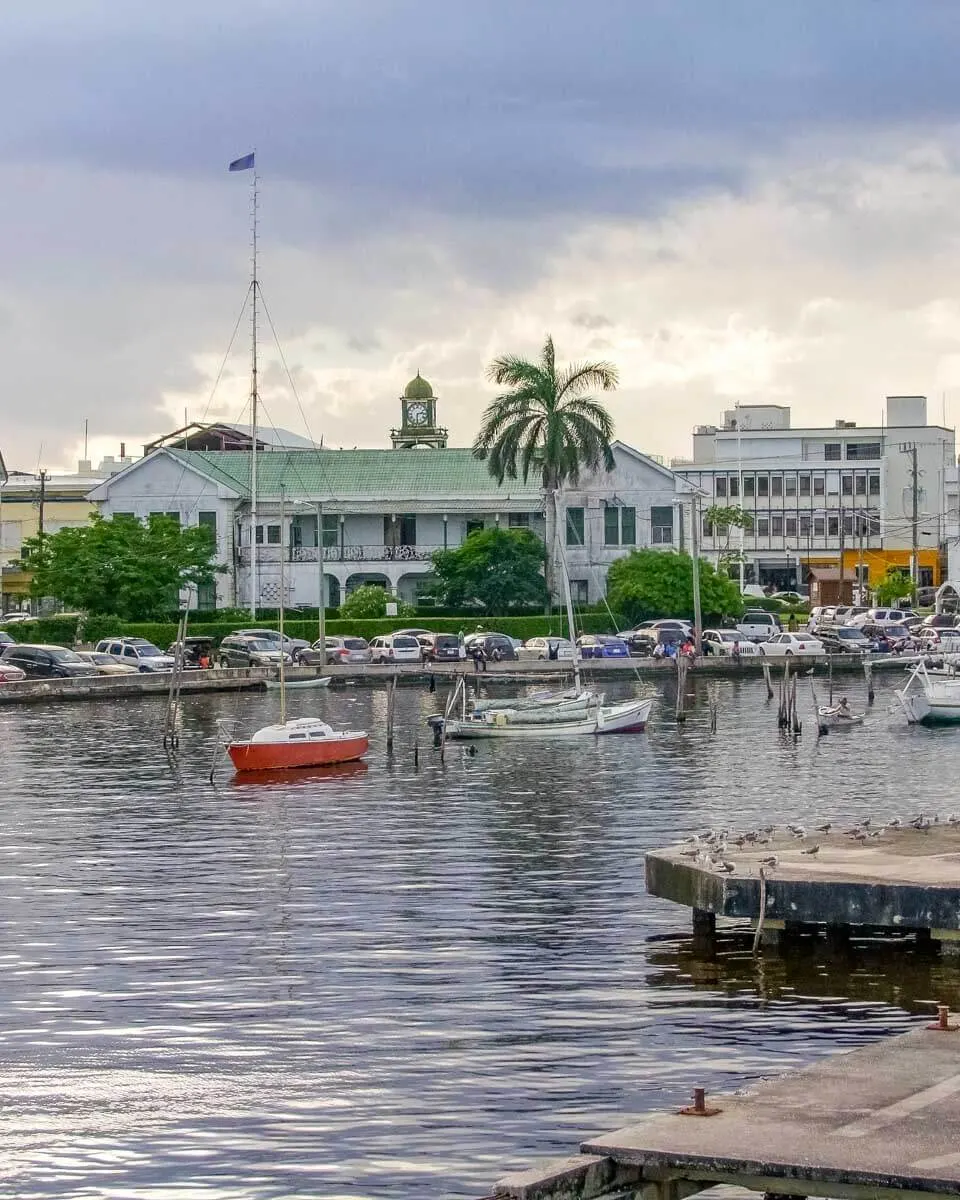
Fort Street Tourism Village, Belize City, Belize
Most Blue Hole boat charters depart from here before dawn
Get directions
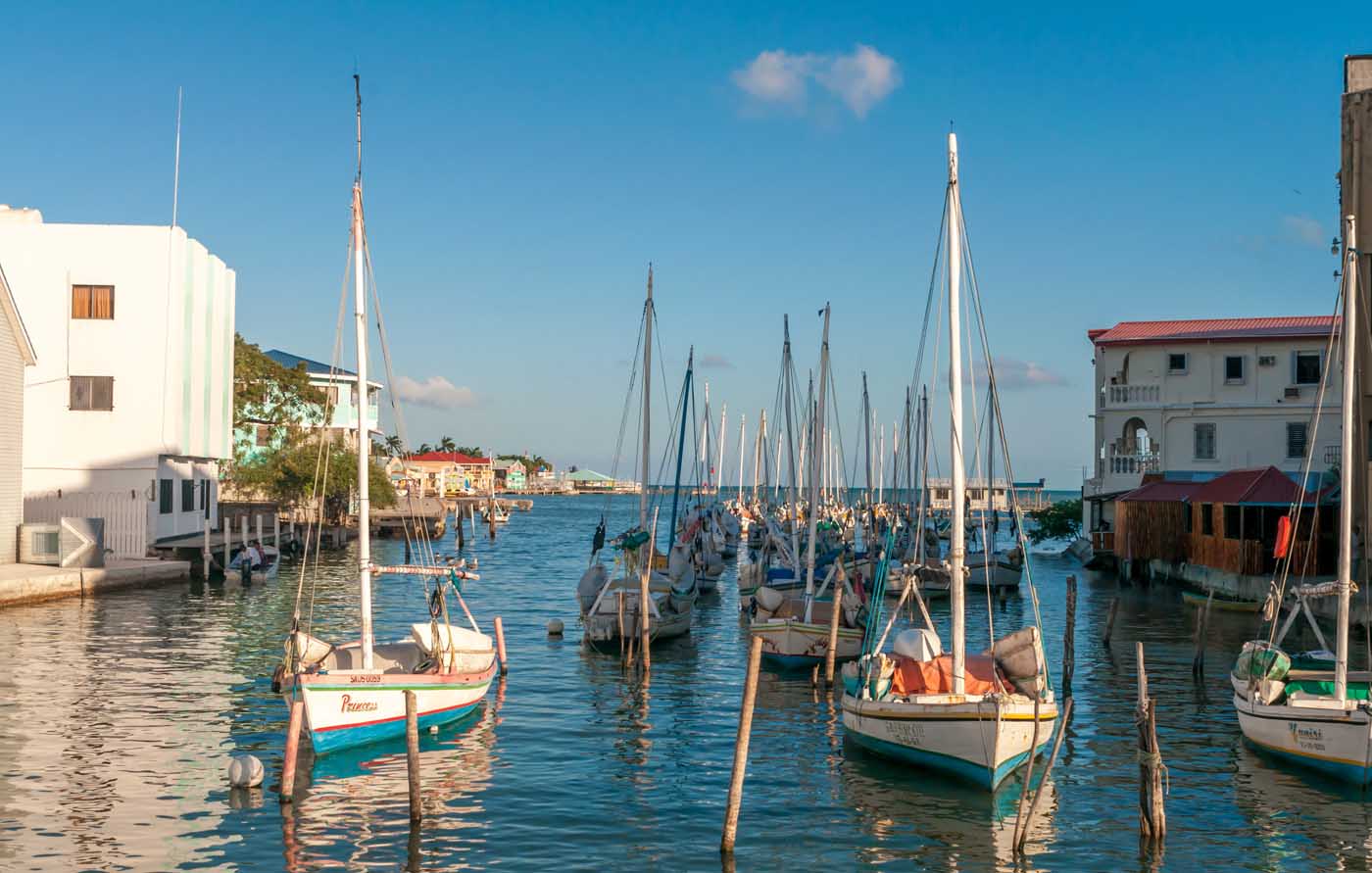
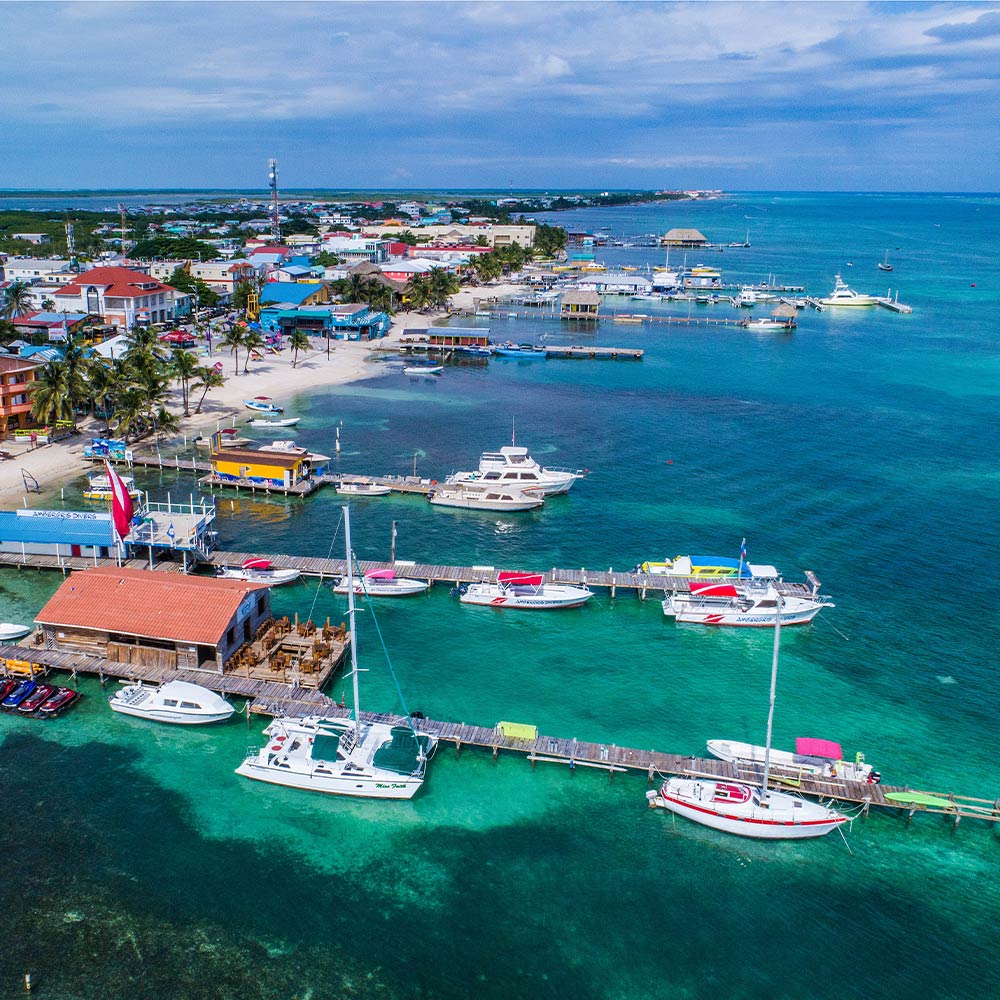
Barrier Reef Drive, San Pedro, Ambergris Caye, Belize
Common departure point for Ambergris Caye based operators
Get directionsThe Blue Hole began its geological story roughly 150,000 years ago during the Pleistocene epoch, when sea levels dropped dramatically and exposed the Belize Barrier Reef as dry limestone terrain. Rain and chemical weathering carved networks of caves beneath the surface, forming a vast cavern system. Around 10,000 years ago, as the last ice age ended and ocean waters rose again, the roof of one massive chamber collapsed inward, creating a circular sinkhole that measured 1,043 feet across and plunged 407 feet deep. The flooded cavity preserved stalactites and limestone formations that now hang at angles revealing multiple sea-level shifts over millennia. Modern awareness arrived in 1971 when Jacques Cousteau sailed the research vessel Calypso to Lighthouse Reef Atoll and declared the site one of the world's top diving locations. His television documentary introduced millions to the submerged cathedral of stone columns and the nurse sharks patrolling its depths. Cousteau's expedition confirmed the geological origins through core samples and sonar mapping, establishing the Blue Hole as a scientific landmark. The publicity transformed a remote feature known mainly to Belizean fishermen into an international destination for snorkeling in Belize Blue Hole and scuba exploration. Belize designated the area as Blue Hole Natural Monument in 1996, imposing a 40 USD park fee and visitor management protocols. In the same year, UNESCO inscribed the Belize Barrier Reef Reserve System—including Lighthouse Reef and the Blue Hole—onto the World Heritage list, recognizing its Outstanding Universal Value. The reserve faced scrutiny in 2009 when UNESCO placed it on the endangered list due to mangrove clearing and offshore oil exploration threats. Strengthened conservation laws led to its removal from the endangered designation in 2018. Today, snorkeling in Belize Blue Hole tours operate under Belize Audubon Society oversight, balancing access with reef protection. The atoll remains a living laboratory where visitors witness both ancient geology and fragile marine ecosystems, from elkhorn coral colonies to circling reef sharks.
Limestone caverns form beneath exposed reef during Pleistocene glacial period.
Cave roof collapses as post-ice-age seas flood the sinkhole, preserving tilted stalactites.
Jacques Cousteau's Calypso expedition maps the Blue Hole and broadcasts it globally as a premier dive site.
Belize establishes Blue Hole Natural Monument and UNESCO inscribes Belize Barrier Reef Reserve System as World Heritage.
UNESCO Red List designation follows mangrove destruction and oil-drilling pressure near the reef.
Improved conservation policies lead UNESCO to remove endangered status from the reserve.
Belize Audubon Society manages daily snorkeling and diving permits under strict ecological protocols.
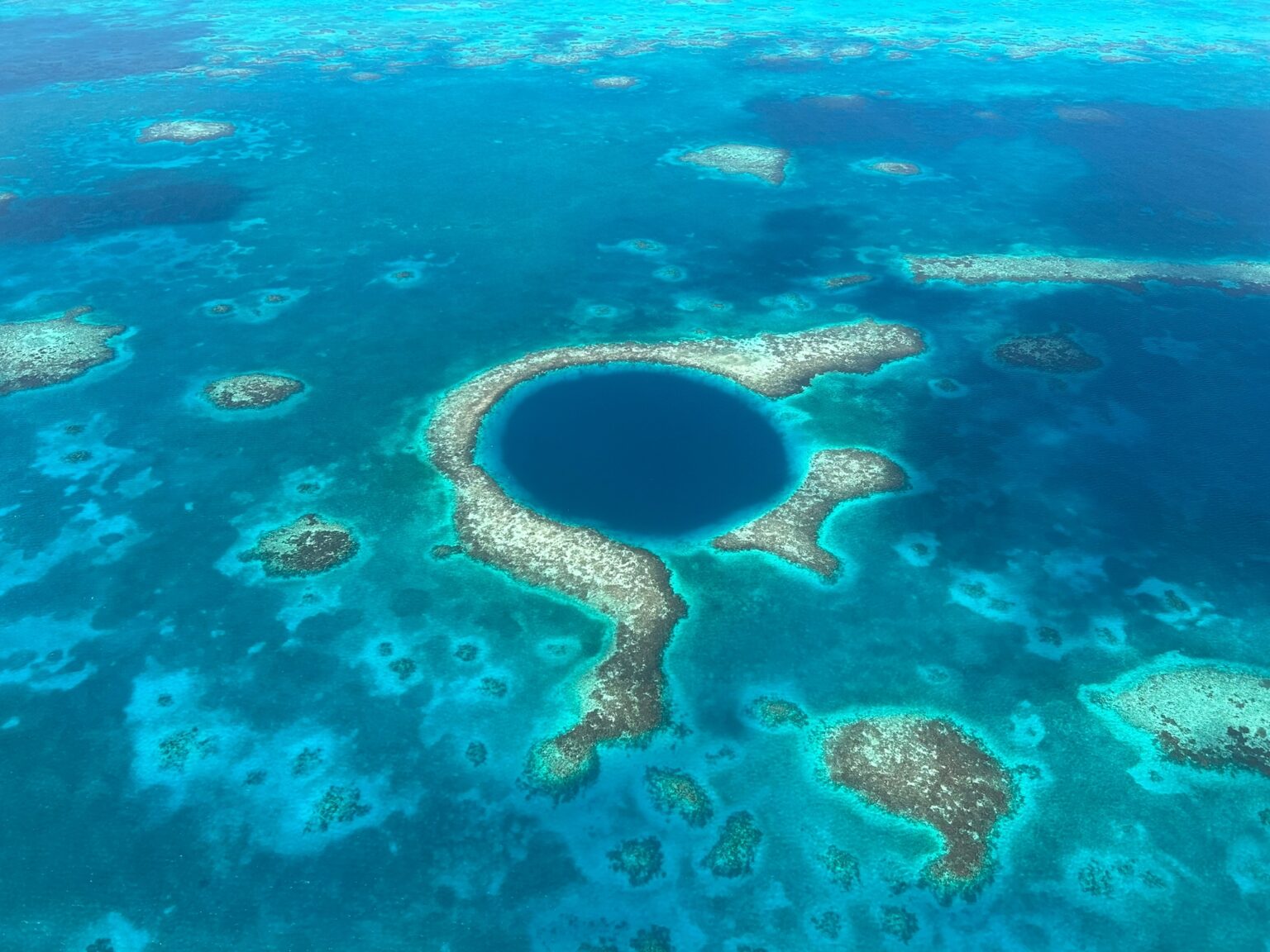
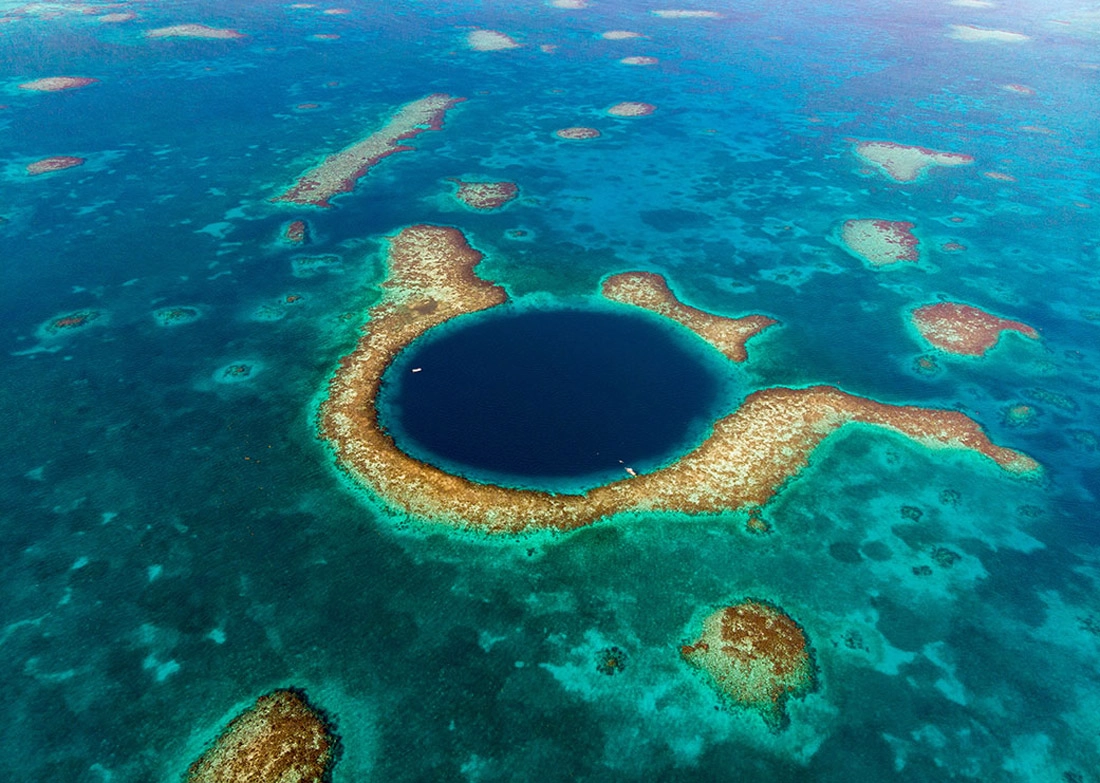
The classic shot of the Blue Hole is from a small chartered plane or helicopter circling above Lighthouse Reef Atoll, showing the perfect dark circle cut into the pale turquoise shallows. This isn't part of standard snorkeling in Belize Blue Hole boat trips, so book a separate scenic flight if you want this frame.
Most visitors get their best photo from the dive boat moored at the edge of the drop-off, looking down into the deep blue center against the shallow rim. Stand at the bow or stern rail for an unobstructed angle over the water.
At the surface where the shallow reef shelf gives way to the sinkhole wall, snorkelers can frame the sharp color change from pale sandy blue to deep indigo. This is the most photographed underwater vantage and marks the edge of the Belize Barrier Reef formation.
The turquoise flats surrounding the Blue Hole, dotted with coral heads and small fish, make a strong foreground shot before or after entering the main sinkhole. Shoot from the boat deck or while treading water near the reef crest.
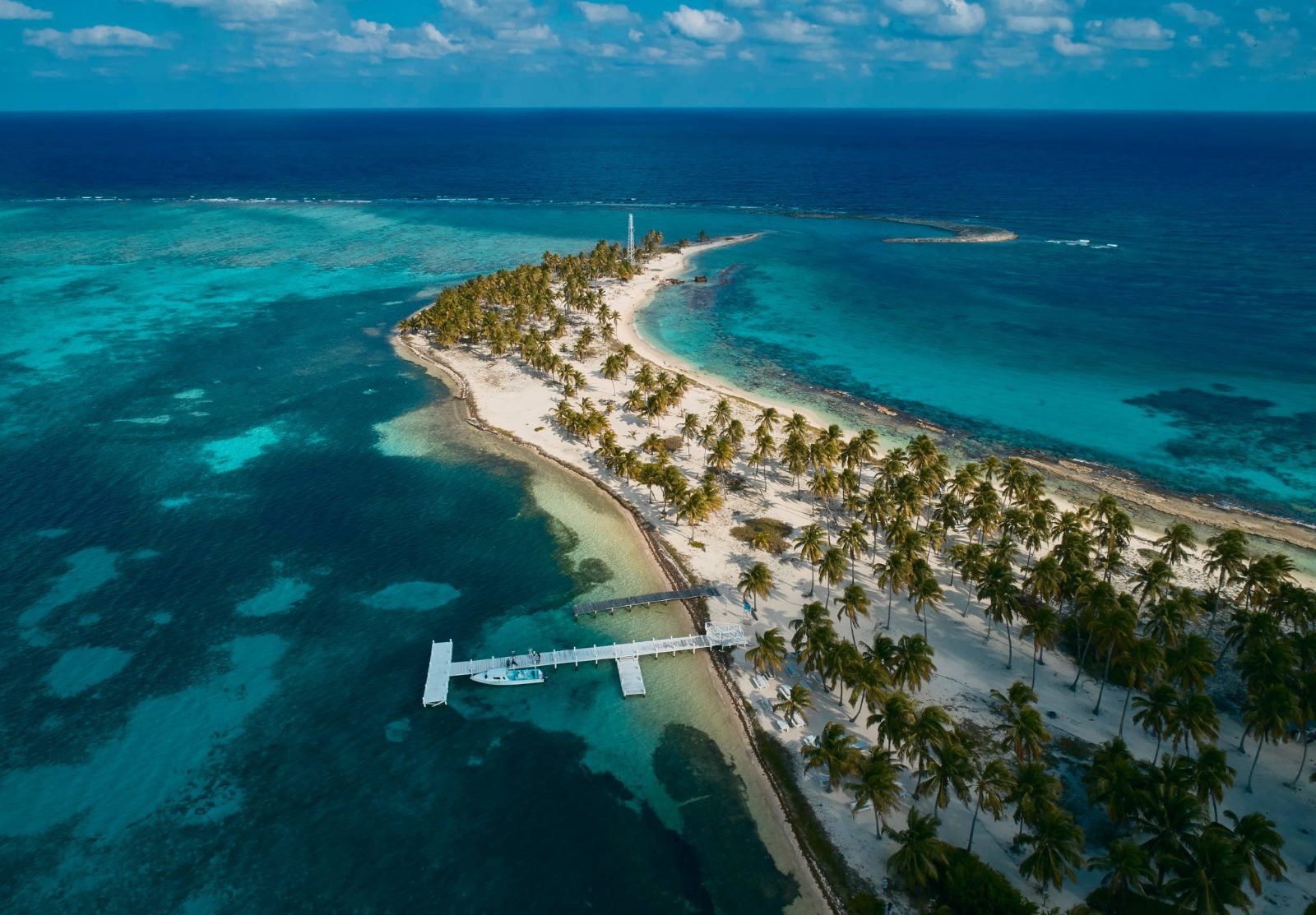
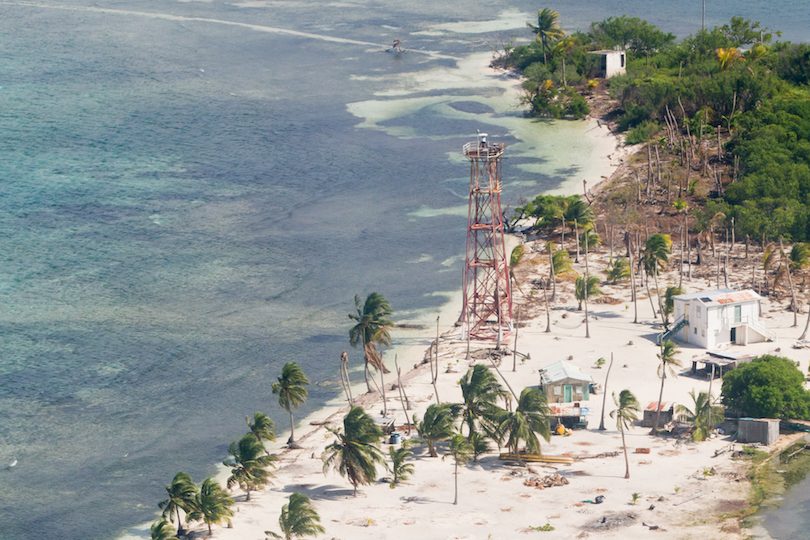
A short boat ride from the Blue Hole, this small island offers an elevated wooden lookout tower over the atoll, useful for wide reef-and-lagoon shots often paired with Blue Hole excursions. Climb the tower platform for the clearest sightline.
Snorkeling in Belize Blue Hole is a full-day boat expedition to open ocean, not a stroller-friendly reef walk, so it suits older kids who can handle a long ride and deep water rather than toddlers.
Not usable at any point — the Blue Hole is reached only by boat and snorkeling happens directly off the vessel in open water with no shoreline or dock area.
Most operators set minimum ages around 8-10 for the boat trip itself, and comfortable open-water swimming ability is essential since the visibility and depth here are dramatic compared to shallow reef sites.
There are no restrooms, changing rooms, or baby-changing stations at the monument itself — plan around the boat's facilities and the mainland departure point before and after the trip.
Budget the entire day for this outing given the multi-hour boat transfer each way; it is not a stop you can combine casually with other errands or a short reef tour.
Bring your own snacks and water since there is no food service at the site — most boat operators provide a packed lunch, so confirm this before departure.
Rough seas or storms can cancel trips outright since this is open Atlantic water far from shore, so build a flexible mainland backup day into any Belize Barrier Reef itinerary.
Everything you need to know for your journey
The Blue Hole Natural Monument keeps consistent hours of 07:00–16:00 every day of the week, though your actual snorkeling window depends on your tour operator's boat schedule.
Access is by boat only with entry via a ladder or swim platform, so visitors need reasonable mobility and swimming ability; there are no ramps or accessible facilities at this remote atoll site.
Prohibited items include spearfishing gear, fish feeding bait, gloves, non-reef-safe sunscreen, single-use plastic bags, glass containers, and any coral or shell collecting.
Photography and video are allowed above and below the water for personal use, including open-water drone shots away from other boats, though flash is unnecessary given the natural light at this depth.
The best arrival window is 07:30–10:00, when seas are calmer and visibility is clearer before afternoon winds pick up; overall, winter and spring months tend to bring drier weather for the crossing.
Wear a swimsuit under quick-dry clothing since there are no changing rooms at the site, and consider a rash guard or light wetsuit top for sun protection during the long boat ride.
Most operators pack a light lunch, water, and snacks for the day, since there are no restaurants at the Blue Hole itself, so bringing extra water is still recommended.
Snorkeling in Belize Blue Hole tours depart by boat from marinas in Belize City, San Pedro, or Caye Caulker, and getting to those docks is done by taxi, rental car, or water taxi.
Children can join if they are confident swimmers, since the water at the rim is around 12 meters deep with no shallow area, and most operators set a minimum age with required life vests for younger guests.
Cancellation windows and refund terms vary by operator, but most allow free changes 24–48 hours ahead, and the 40 USD park fee is typically only refunded if the operator cancels due to weather.
Many tours pair the Blue Hole with Half Moon Caye Natural Monument for lunch and birdwatching, or the Long Caye Wall for divers on extended charters.
The Blue Hole Natural Monument park fee is 40 USD per foreign visitor, payable in cash and separate from any tour operator's boat charter price.
A protected caye within Lighthouse Reef Atoll known for its red-footed booby colony and lighthouse. Many snorkeling in Belize Blue Hole tours pair a visit here with lunch on the beach.
A steep reef wall near Lighthouse Reef Atoll popular with divers and sometimes included on extended charters. It offers a dramatic drop-off compared to the enclosed Blue Hole basin.
The outer atoll that contains the Blue Hole, Half Moon Caye, and several smaller cayes. It sits roughly 80 km east of Belize City within the Belize Barrier Reef Reserve System.
The second-largest barrier reef system in the world and a UNESCO World Heritage Site, stretching along the entire Belizean coastline. Boats pass sections of it en route to Lighthouse Reef Atoll.
The main hub for hotels and guesthouses near common Blue Hole tour departure points, ranging from budget rooms to beachfront resorts.
A laid-back island with mostly budget and mid-range guesthouses close to a secondary departure dock for Blue Hole charters.
Home to most Blue Hole tour operators' main marina departure point, with mid-range and business hotels near Fort Street Tourism Village.
Join thousands of happy travelers who have discovered this incredible experience
Book Your Experience Now